
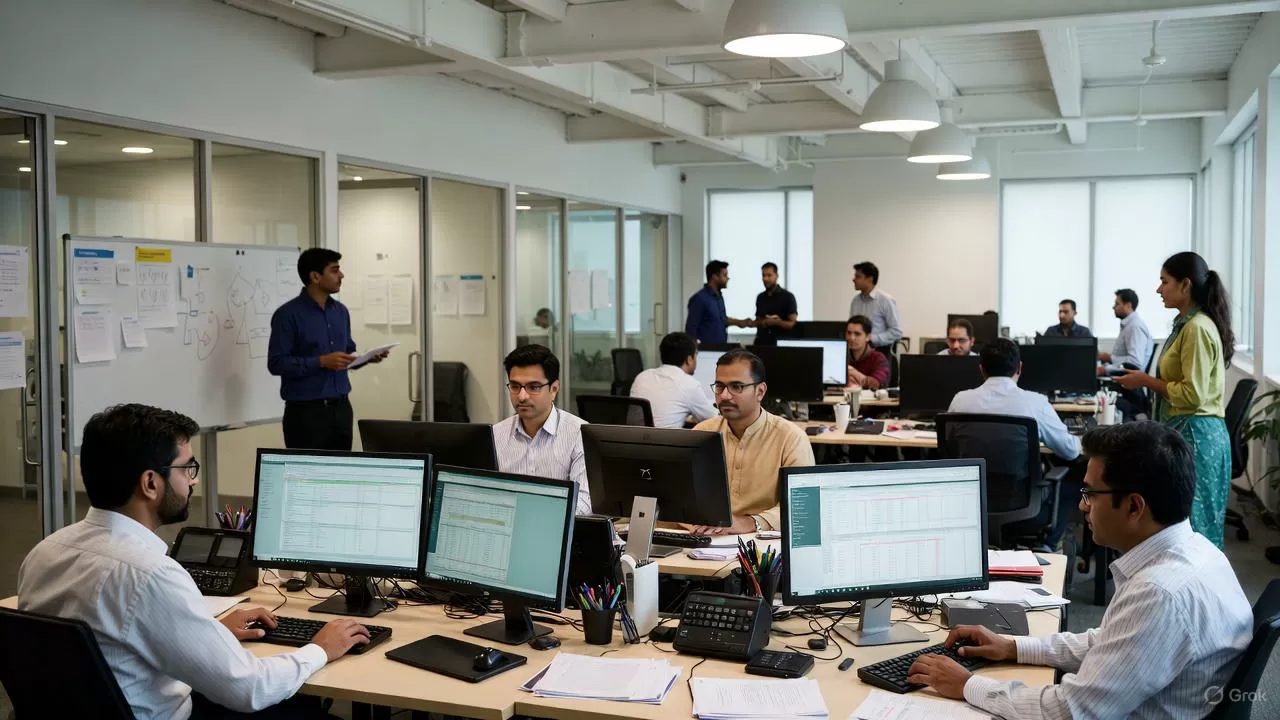
The H1B Visa – A Gateway to Global Talent
In today’s globalized world, businesses are constantly seeking ways to expand and grow. With the rapid advancements in technology and the increasing demand for specialized skills, companies are looking beyond their borders to find the best talent. This is where the H1B visa comes into play.
The H1B visa is a non-immigrant visa that allows US employers to temporarily hire foreign professionals for specialty occupations that require specialized knowledge. These occupations are typically in the fields of science, technology, engineering, and mathematics (STEM). The visa is valid for three years and can be extended for an additional three years, making it a total of six years.
The American Chamber of Commerce states that the official intent of the H1B visa is to help US employers fill the skill gap by hiring foreign professionals who possess the necessary expertise. This not only benefits the employers but also contributes to the growth of the US economy. However, there has been a lot of debate surrounding the H1B visa, with some claiming that it is taking away white-collar jobs from American workers. Let’s take a closer look at this issue.
Firstly, it is important to understand that the H1B visa is not a tool for cheap labor. In fact, the US Department of Labor requires employers to pay H1B workers the prevailing wage for their occupation and location. This ensures that foreign workers are not being exploited and that they are being compensated fairly for their skills and expertise. Moreover, the H1B visa program is highly competitive, with only a limited number of visas being issued each year. This means that employers are only hiring foreign workers when they cannot find suitable candidates within the US.
Secondly, the H1B visa program is not just about filling the skill gap, but also about bringing diversity and innovation to the US workforce. By hiring foreign professionals, companies are able to tap into a global pool of talent and bring in fresh perspectives and ideas. This not only benefits the companies but also contributes to the growth and competitiveness of the US economy. In fact, a study by the National Foundation for American Policy found that for every 100 H1B workers, an additional 183 jobs are created for US-born workers.
Furthermore, the H1B visa program is not just limited to large corporations. Small and medium-sized businesses also benefit from this program by being able to access specialized skills that they may not find within the US. This allows them to compete on a global scale and contribute to the growth of the US economy.
It is also worth noting that the H1B visa program is highly regulated and constantly monitored by the US government. Employers are required to comply with strict regulations and any violation can result in severe penalties. This ensures that the program is not being misused and that foreign workers are not taking away jobs from American workers.
In conclusion, the H1B visa program is a vital tool for US employers to access specialized skills and expertise that are essential for their growth and competitiveness. It is not a threat to American workers, but rather a gateway to global talent that benefits the US economy as a whole. As the world becomes increasingly interconnected, it is important for the US to continue to attract and retain the best talent from around the world. The H1B visa program plays a crucial role in achieving this goal and should be celebrated for its contributions to the growth and diversity of the US workforce.
