
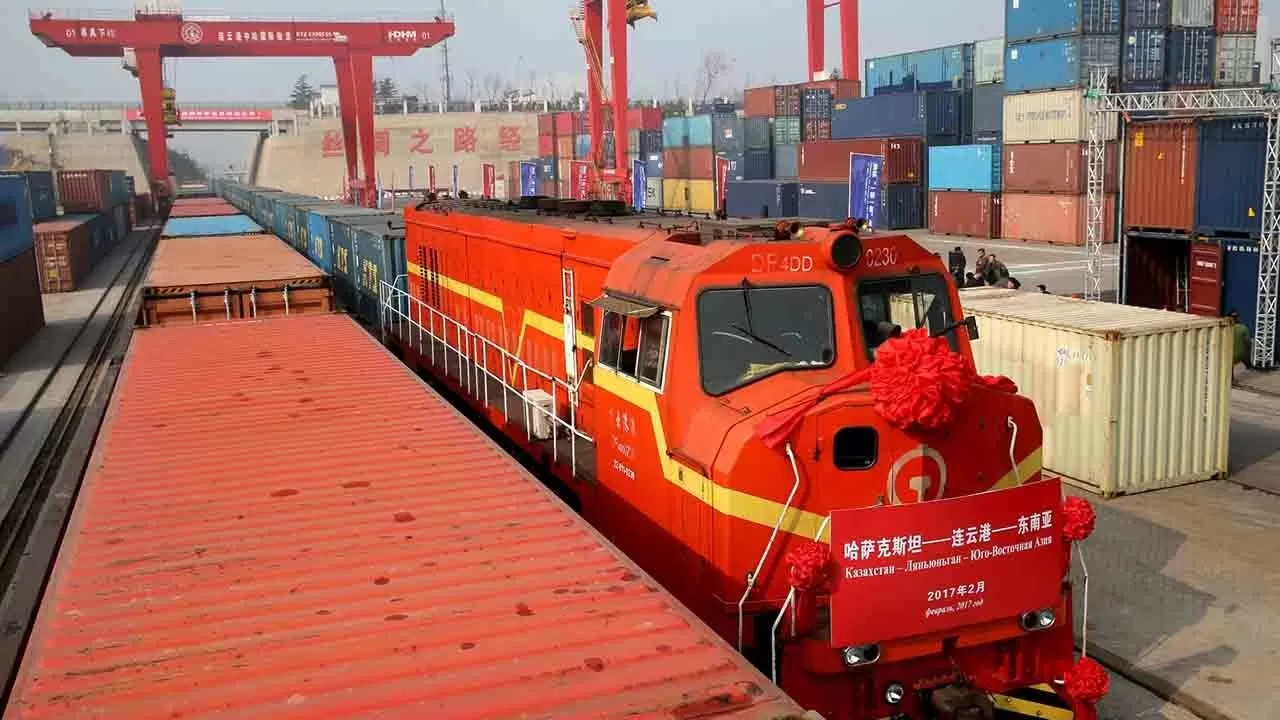
China’s economy has been a topic of much discussion and debate in recent years, particularly since the start of the trade war with the United States. The world’s second-largest economy has been facing a slowdown, and many have attributed this to the ongoing tensions between the two global superpowers. However, amidst all the uncertainty and challenges, there is one country that has emerged as a pivotal player in this trade war – Burma.
Burma, also known as Myanmar, is a Southeast Asian country that shares a border with China. While it may not be a major economic powerhouse like its neighbor, it holds a strategic position in the US-China trade war. As the trade war continues to escalate, Burma has a chance to play a crucial role and emerge as a winner in this global economic battle.
The trade war between the US and China began in 2018 when President Trump imposed tariffs on Chinese imports, citing unfair trade practices and intellectual property theft. In response, China retaliated with its own tariffs on American goods, leading to a tit-for-tat trade war that has affected the global economy. As the two countries continue to impose tariffs on each other’s goods, the impact is being felt worldwide, with China’s economy bearing the brunt of it.
China’s economy has been slowing down since the start of the trade war, with its GDP growth rate dropping to a 30-year low in 2019. The country’s manufacturing sector, which is heavily reliant on exports, has been hit hard, leading to job losses and a decrease in consumer spending. This slowdown has not only affected China but has also had a ripple effect on the global economy, including the US.
This is where Burma comes into the picture. As the trade war intensifies, many companies are looking to diversify their supply chains and reduce their reliance on China. This is where Burma’s strategic location and growing economy come into play. The country shares a border with China and is also a member of the Association of Southeast Asian Nations (ASEAN), a regional economic bloc that includes countries like Thailand, Indonesia, and Vietnam.
Burma’s proximity to China and its membership in ASEAN make it an attractive alternative for companies looking to shift their production out of China. The country’s economy has been growing steadily in recent years, with a GDP growth rate of 6.8% in 2019. It also has a young and skilled workforce, making it an ideal destination for manufacturing and production.
Moreover, Burma has been actively seeking foreign investment and has implemented economic reforms to attract businesses. The country’s government has also been working towards improving its infrastructure and creating a more business-friendly environment. All these factors make Burma a viable option for companies looking to diversify their supply chains and reduce their dependence on China.
But it’s not just about attracting foreign investment and becoming an alternative to China. Burma also has the potential to benefit from the trade war in other ways. As the US and China continue to impose tariffs on each other’s goods, there is a growing demand for goods from other countries. This presents an opportunity for Burma to increase its exports to both the US and China, further boosting its economy.
However, for Burma to fully capitalize on this opportunity, it needs to continue its economic reforms and address any challenges that may arise. The country also needs to maintain good relations with both the US and China and avoid taking sides in the trade war. By maintaining neutrality, Burma can position itself as a reliable and stable partner for both countries, further strengthening its position in the global economy.
In conclusion, Burma’s pivotal role in the US-China trade war presents a unique opportunity for the country to emerge as a strategic winner. Its proximity to China, membership in ASEAN, and growing economy make it an attractive alternative for companies looking to reduce their reliance on China. By continuing its economic reforms and maintaining good relations with both the US and China, Burma can position itself as a key player in the global economy and reap the benefits of the ongoing trade war.
