
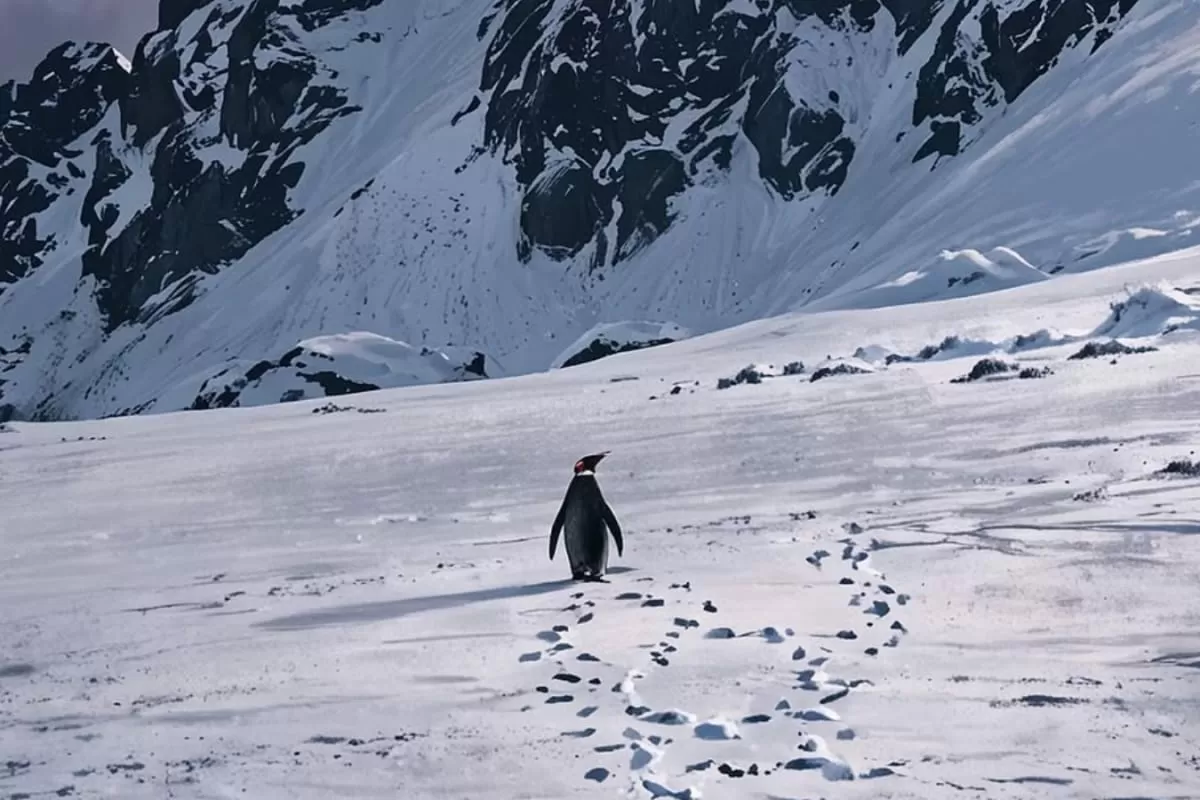
From the icy expanses of Antarctica to the sunny beaches of South Africa, penguins are one of the most fascinating creatures on our planet. These flightless birds have captured our hearts with their adorable waddle, comical antics, and undeniable resilience. But what truly sets them apart is their remarkable ability to thrive in a wide range of environments, making them truly unique and special.
Penguins are found in the Southern Hemisphere, with the majority of their population residing in Antarctica. This frozen continent is home to several species of penguins, including the iconic Emperor Penguin, which is the largest of all penguin species. These majestic birds have adapted to the harsh conditions of Antarctica, with their thick layer of feathers and a layer of blubber to keep them warm in temperatures that can drop to -40 degrees Celsius. They also have a unique huddling behavior, where they gather in large groups to conserve body heat and protect themselves from the harsh winds.
But penguins are not limited to just the frigid regions of Antarctica. They can also be found in more temperate climates, such as South Africa. The African Penguin, also known as the Jackass Penguin due to its donkey-like braying call, can be found along the coast of South Africa and Namibia. Unlike their counterparts in Antarctica, African Penguins have adapted to warmer temperatures, with less dense feathers and a larger surface area for regulating body temperature. They also have a unique pink gland above their eyes, which helps them to cool down on hot days.
In addition to Antarctica and South Africa, penguins can also be found in other parts of the world, such as Australia, New Zealand, and South America. This wide distribution is a testament to their adaptability and resilience. In fact, there are a total of 18 penguin species, each with its own unique characteristics and adaptations.
One of the most fascinating things about penguins is their incredible swimming abilities. These flightless birds are actually expert swimmers, with some species being able to dive up to 500 meters deep in search of food. Their streamlined bodies, webbed feet, and powerful flippers make them perfectly suited for life in the water. They can swim at speeds of up to 22 miles per hour, allowing them to catch fish and other prey with ease.
But it’s not just their physical abilities that make penguins so remarkable. These birds also have complex social structures and behaviors. They form strong bonds with their mates and work together to raise their young. Many penguin species also have unique courtship rituals, such as the Emperor Penguins’ iconic march to their breeding grounds, where they will stay for months to incubate their eggs and protect their chicks.
Penguins also play a vital role in their ecosystems. As top predators, they help to maintain the balance of their food chain. Their guano, or feces, also serves as a source of nutrients for plants and other marine animals. In addition, penguins are important indicators of the health of their environment. Changes in their populations can signal larger issues, such as overfishing or climate change.
Despite their adaptability and resilience, penguins face many threats in the wild. Climate change, pollution, and overfishing are just some of the challenges they must overcome to survive. Many penguin species are also listed as endangered or vulnerable, making conservation efforts crucial for their survival.
Fortunately, there are many organizations and individuals working tirelessly to protect penguins and their habitats. From creating marine protected areas to conducting research and raising awareness, these efforts are crucial for the long-term survival of these beloved birds.
In conclusion, penguins are truly remarkable creatures that have captured our hearts and imaginations. From the icy expanses of Antarctica to the sunny beaches of South Africa, they have proven their ability to thrive in a wide range of environments. But with their unique adaptations, complex behaviors, and important role in their ecosystems, penguins are much more than just cute and cuddly birds. They are a symbol of resilience, adaptability, and the beauty of our natural world. Let us all work together to protect and preserve these amazing creatures for generations to come.
