
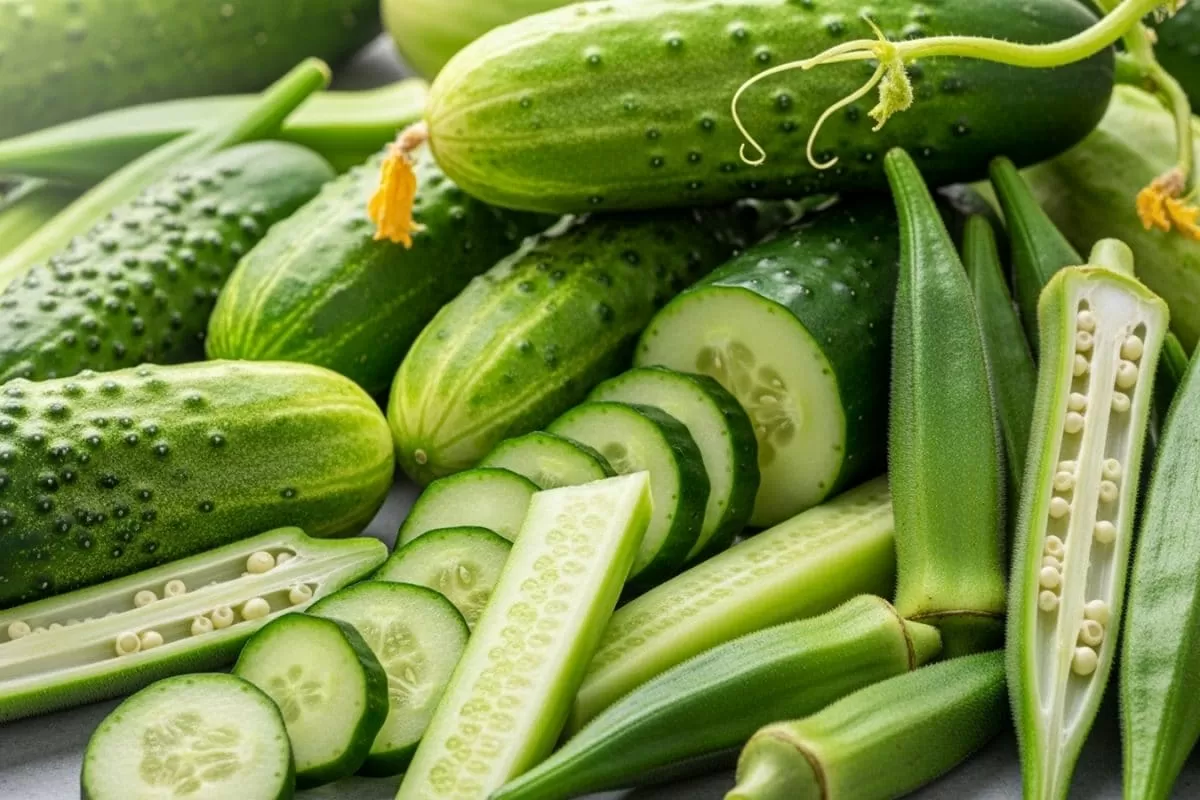
Gardening is not just a hobby, it is a way of life. It is a way to connect with nature, to nurture and grow something beautiful and beneficial. And what could be more beneficial than growing your own food? With proper care, your garden can become a source of healthy meals and endless satisfaction throughout the season.
There is something truly special about growing your own food. The satisfaction of seeing your hard work pay off in the form of fresh, homegrown produce is unmatched. Not to mention, the taste of freshly picked fruits and vegetables is far superior to store-bought ones. But in order to achieve a successful and bountiful garden, proper care is essential.
The first step to a successful garden is choosing the right location. Most plants require at least 6-8 hours of sunlight per day, so make sure to choose a spot that receives adequate sunlight. Also, consider the type of soil in your chosen location. Different plants thrive in different types of soil, so it is important to do some research and choose plants that are suitable for your soil type.
Once you have chosen the perfect spot for your garden, it is time to prepare the soil. This is a crucial step as healthy soil equals healthy plants. Start by removing any weeds or debris from the area. Then, loosen the soil and add organic matter such as compost or manure to enrich the soil. This will provide essential nutrients for your plants to grow strong and healthy.
Now it’s time to choose the plants you want to grow. It is important to choose plants that are suitable for your climate and growing season. You can either start with seeds or purchase seedlings from a local nursery. Make sure to read the instructions on the seed packets or ask the nursery for advice on how to properly plant and care for your chosen plants.
Watering is another crucial aspect of gardening. Most plants require consistent watering, especially during the hot summer months. It is important to water deeply and less frequently rather than shallowly and frequently. This will encourage the roots to grow deeper and make the plants more resilient to drought. A good rule of thumb is to water your garden in the morning or evening when the sun is not as strong.
In addition to watering, regular weeding and pest control are also important for a healthy garden. Weeds compete with your plants for nutrients and can hinder their growth. Make sure to regularly remove any weeds that pop up in your garden. As for pests, there are many natural and organic methods to control them without the use of harmful chemicals. Do some research and find the best method for your specific garden and plants.
As your garden starts to grow, it is important to continue to monitor and care for it. This includes pruning, fertilizing, and harvesting. Pruning helps to promote healthy growth and prevent diseases. Fertilizing provides additional nutrients for your plants to thrive. And harvesting your produce at the right time ensures the best flavor and quality.
One of the greatest benefits of having a garden is the ability to enjoy fresh, homegrown produce. Not only is it healthier and more flavorful, but it also reduces your carbon footprint by eliminating the need for transportation and packaging. Plus, it can save you money in the long run.
Gardening is also a great form of exercise and stress relief. Spending time in nature and tending to your plants can have a calming effect on the mind and body. It is a great way to disconnect from the hustle and bustle of daily life and connect with the earth.
In conclusion, with proper care, your garden can become a source of healthy meals and endless satisfaction throughout the season. It may require some time and effort, but the rewards are well worth it. So why not start your own garden today and experience the joy and fulfillment of growing your own food? Happy gardening!
