
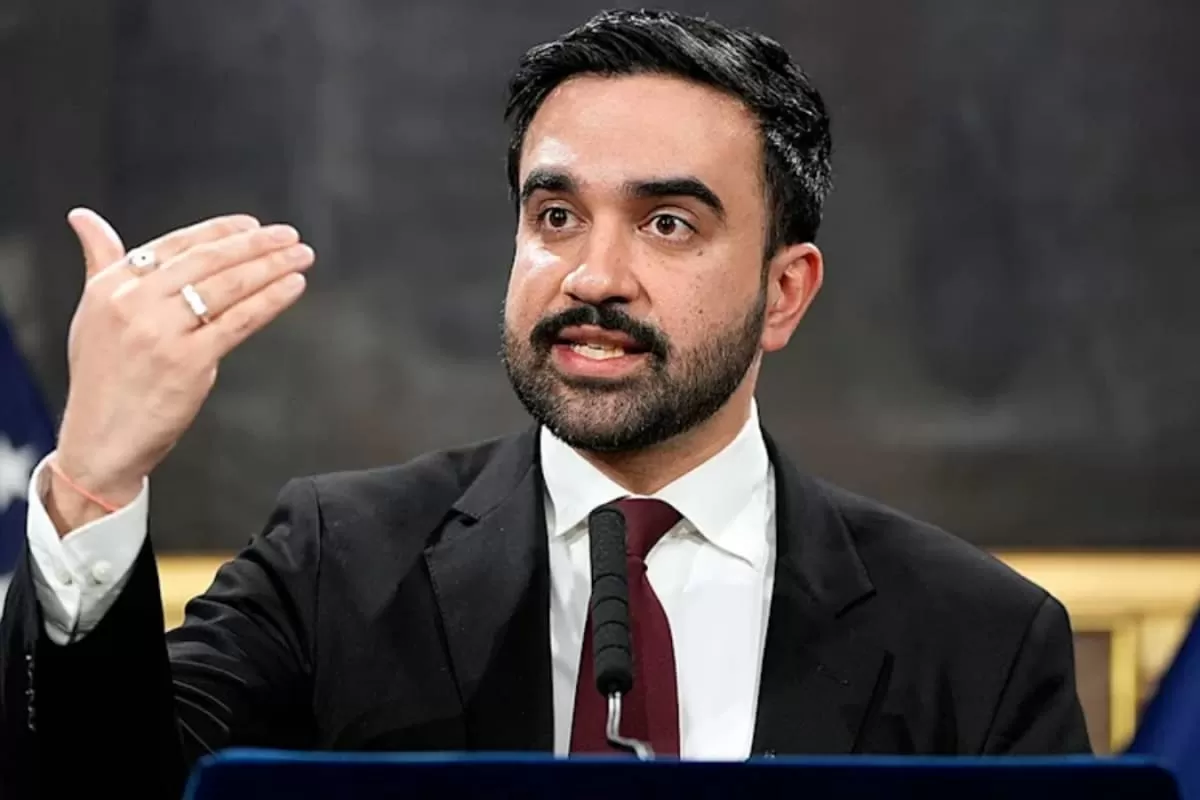
Prominent academic and political analyst Mahmood Mamdani has recently made headlines with his criticism of the Iranian government’s repressive policies. In a thought-provoking lecture at the University of Johannesburg, Mamdani warned against the consequences of regime-change wars in the region while calling for a more nuanced approach towards Iran.
Mamdani, a professor and director of the Makerere Institute of Social Research in Uganda, is known for his insightful analysis of political conflicts in Africa and beyond. In his lecture, he highlighted the dangers of the current trend of regime-change wars, which are often driven by external intervention and have resulted in devastating consequences for the countries involved.
Speaking specifically about Iran, Mamdani criticized the government’s repressive policies towards dissidents and minority groups. He noted that while the country has made significant progress in areas such as education and healthcare, the government’s human rights record remains a cause for concern.
Mamdani’s critique of the Iranian government’s actions is not unfounded. In recent years, there have been numerous reports of arbitrary arrests, torture, and executions of political dissidents and members of minority groups, particularly the Kurdish and Balochi communities. The government’s crackdown on freedom of expression and association has also been a major point of concern, with journalists, activists, and human rights defenders facing constant harassment and imprisonment.
However, Mamdani also cautioned against the simplistic narrative of regime-change, which is often promoted by external actors as a solution to a country’s problems. He pointed out that such interventions have a long history of failure, leading to further instability and suffering for the people.
Mamdani’s call for a more nuanced approach towards Iran is crucial in the current global political climate. With tensions between Iran and the United States escalating, there have been growing calls for regime-change in Iran. However, Mamdani’s lecture reminds us that such actions would only exacerbate the already dire situation in the region.
The consequences of regime-change wars are not limited to the country in question but have far-reaching impacts on the entire region. We have seen this in countries like Iraq, Libya, and Syria, where external interventions have only resulted in chaos and suffering for the people. Mamdani rightly pointed out that instead of focusing on regime-change, the international community should focus on supporting internal dialogue and finding sustainable solutions to the issues at hand.
Mamdani’s lecture also shed light on the historical context of Iran’s current political landscape. He highlighted how the country’s history of colonialism and external intervention has shaped its current political and social realities. This is an important reminder for the international community to approach the situation in Iran with sensitivity and understanding, rather than through the lens of their own political agendas.
In conclusion, Mahmood Mamdani’s lecture on the Iranian government’s repressive policies and the dangers of regime-change wars in the region is a timely and important reminder for the international community. It highlights the need for a more nuanced approach towards Iran, one that takes into consideration the country’s complex history and current realities. Mamdani’s call for dialogue and internal solutions is one that should be heeded by all stakeholders involved. It is only through such efforts that we can hope to bring about lasting peace and stability in the region.
