
Fatty Liver: From a Common Condition to a Serious Threat
Fatty liver is a condition that affects millions of people around the world. It occurs when fat accumulates in the liver, gradually causing inflammation and damage to this vital organ. This may sound like a minor issue, but if left unchecked, fatty liver can escalate to more serious conditions such as liver cirrhosis or even liver cancer. Therefore, it is crucial to understand the potential dangers of fatty liver and take steps to prevent its progression.
The liver is one of the largest, hardest working organs in our body. It performs numerous functions that are essential to our health, such as detoxifying our blood, regulating our metabolism, and producing important proteins and hormones. But when the liver is overloaded with fat, it struggles to carry out these functions effectively. This is because the buildup of fat causes inflammation, and over time, this can lead to scarring and irreversible damage to the liver.
So, what causes fatty liver? The most common culprit is excessive alcohol consumption. However, there is another type of fatty liver, known as non-alcoholic fatty liver disease (NAFLD), which is becoming increasingly prevalent, especially in people who are overweight or have diabetes. NAFLD occurs when the liver is unable to break down fats efficiently, causing them to accumulate. If this condition is not addressed, it can progress to a more severe form called non-alcoholic steatohepatitis (NASH), where the liver becomes inflamed and can eventually lead to cirrhosis.
Liver cirrhosis is a condition wherein the liver becomes scarred and hardened, resulting in a loss of function. It is irreversible and can have life-threatening consequences. Furthermore, people with cirrhosis are at a higher risk for developing liver cancer, one of the leading causes of cancer-related deaths worldwide. This is because cirrhosis creates an environment in the liver that promotes the growth of cancer cells.
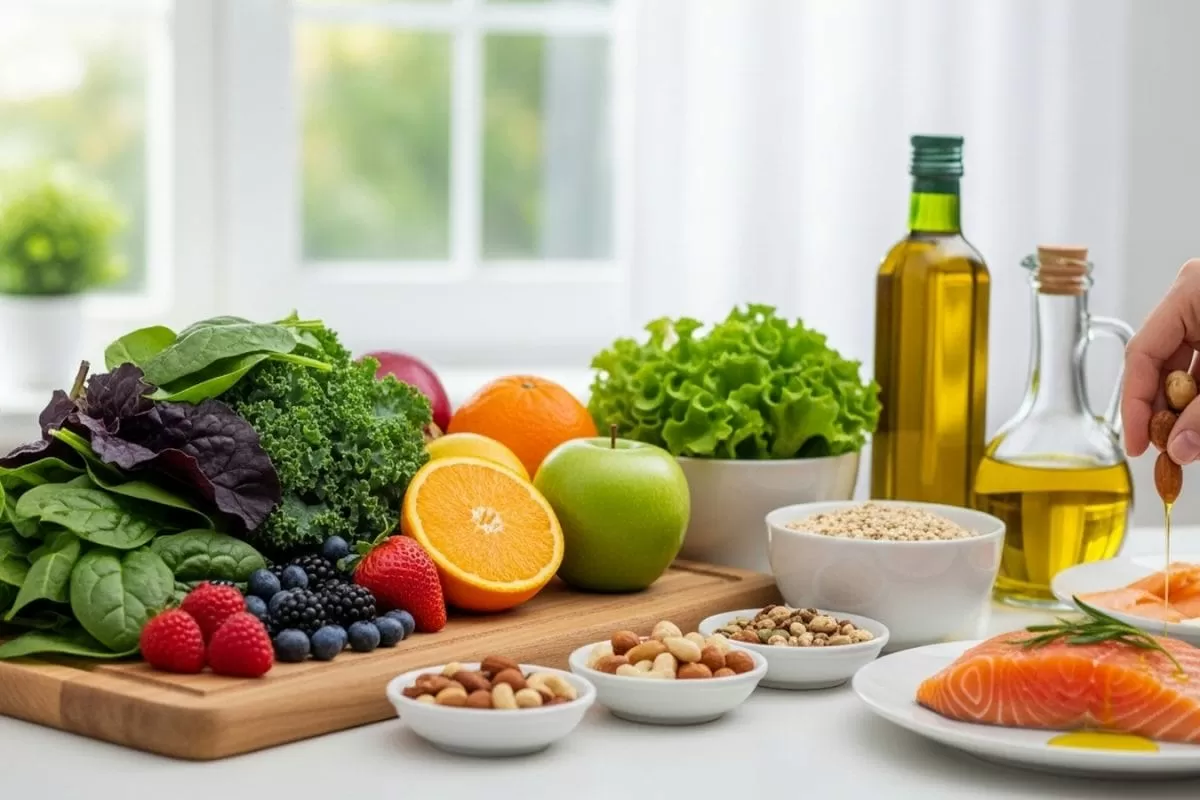
The good news is that fatty liver and its potential complications are largely preventable. The most crucial factor in preventing fatty liver is a healthy lifestyle. Limiting alcohol consumption and maintaining a balanced diet with regular exercise can go a long way in preventing NAFLD. It is essential to include foods that are rich in nutrients and low in fat, such as fruits, vegetables, whole grains, and lean proteins, into our diet. Additionally, reducing our intake of sugar and saturated fats can also help keep our liver healthy.
For those who already have fatty liver, early detection and intervention are key. Simple lifestyle changes such as losing weight, controlling blood sugar levels, and managing underlying conditions like diabetes and high cholesterol can help reverse fatty liver in its early stages. In severe cases, medication may be prescribed to reduce inflammation and prevent progression to more serious conditions.
In addition to lifestyle changes, regular check-ups and diagnostic tests are crucial in identifying fatty liver and its potential complications. If caught early, fatty liver can be managed and possibly reversed. Therefore, it is essential not to ignore any abnormal symptoms, such as abdominal discomfort, fatigue, and jaundice, and to seek medical advice promptly.
It is also essential to note that certain medications and herbal supplements can have adverse effects on the liver. Therefore, it is crucial to consult a healthcare professional before starting any new medication or supplement to avoid any potential harm to the liver.
In conclusion, fatty liver is a condition that may seem harmless, but if left unchecked, it can escalate to more serious and potentially life-threatening conditions such as liver cirrhosis and cancer. However, with a healthy lifestyle and early detection, fatty liver can be prevented and even reversed. Taking care of our liver is crucial since it is responsible for keeping our body functioning well. Let us make a conscious effort to protect our liver and ensure a healthy and happy life ahead. Remember, prevention is always better than cure.
