
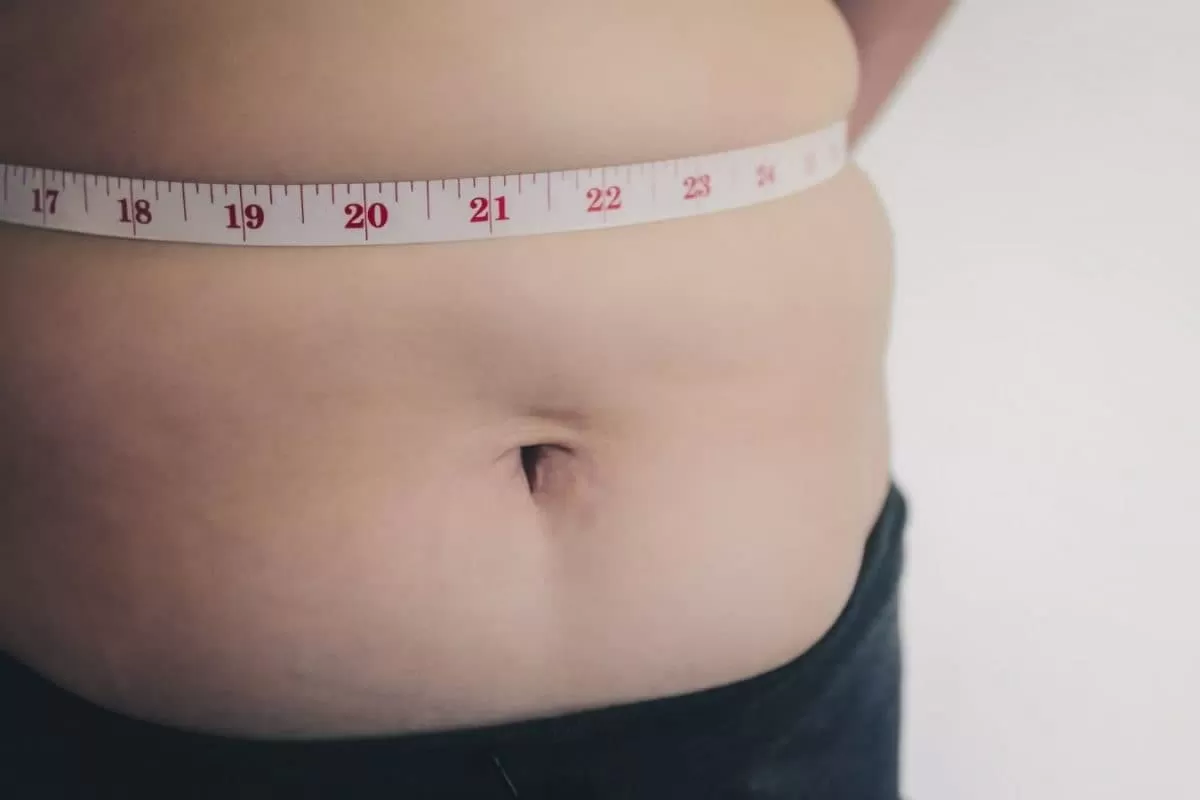
Research has shown that maintaining a healthy weight is important for overall health and well-being. However, it’s not just about the number on the scale or the size of your clothes. Recent studies have revealed that abdominal or visceral fat, the deep fat surrounding internal organs, is strongly linked to an increased risk of cancer. In fact, in some cases, it can be more of a risk factor than overall body weight.
Visceral fat is the type of fat that is stored within the abdominal cavity, surrounding vital organs such as the liver, pancreas, and intestines. Unlike subcutaneous fat, which is found just beneath the skin, visceral fat is not visible and can only be detected through medical imaging. This type of fat plays a critical role in the body’s metabolism and hormonal balance, but when it accumulates in excess, it can lead to serious health problems.
One of the major concerns with visceral fat is its strong connection to cancer risk. Several studies have shown that individuals with high levels of visceral fat are at a higher risk of developing various types of cancer, including breast, colon, ovarian, and pancreatic cancer. In fact, a study conducted by the American Cancer Society found that women with a higher waist-to-hip ratio, indicating more visceral fat, had a 50% higher risk of developing breast cancer compared to women with a lower ratio.
The reason for this increased risk lies in the fact that visceral fat is not just a passive energy store, but rather an active endocrine organ that produces hormones and inflammatory substances. When there is too much visceral fat, these substances can disrupt the body’s hormonal balance and promote the growth and spread of cancer cells. Additionally, visceral fat can also lead to insulin resistance and chronic inflammation, both of which are known to be risk factors for cancer.
But it’s not just cancer that visceral fat is linked to. Studies have also shown that this type of fat is associated with a higher risk of heart disease, type 2 diabetes, and other chronic conditions. This is why it’s important to not only focus on overall body weight but also pay attention to the distribution of fat in the body.
The good news is that visceral fat is highly responsive to lifestyle changes. By making healthy choices such as following a balanced diet and engaging in regular physical activity, you can reduce your visceral fat levels and lower your risk of cancer and other chronic diseases. A study published in the Journal of Clinical Oncology found that postmenopausal women who followed a healthy lifestyle, including a healthy diet and regular exercise, had significantly lower levels of visceral fat and a lower risk of breast cancer.
In addition to diet and exercise, there are other factors that can contribute to visceral fat accumulation. These include genetics, age, and hormonal changes. For instance, as we age, our metabolism slows down, making it easier for visceral fat to accumulate. Menopause also causes hormonal changes that can lead to increased fat storage in the abdominal area.
It’s important to note that not all fat is bad. Our bodies do need some fat for insulation and protection of vital organs. The key is to maintain a healthy level of body fat, including visceral fat. A good way to determine if you have excess visceral fat is by measuring your waist circumference. For women, a waist circumference of more than 35 inches and for men, a waist circumference of more than 40 inches is considered high and puts you at a greater risk of developing health problems.
In conclusion, research has shown that abdominal or visceral fat is strongly linked to an increased risk of cancer, sometimes more so than overall body weight. This type of fat is not only a cosmetic concern but also a serious health issue. By making positive lifestyle changes, you can reduce your visceral fat levels and lower your risk of cancer and other chronic diseases. Remember, it’s not just about the number on the scale, but also paying attention to the distribution of fat in your body. So let’s all strive for a healthy weight and a healthy body, inside and out.
