
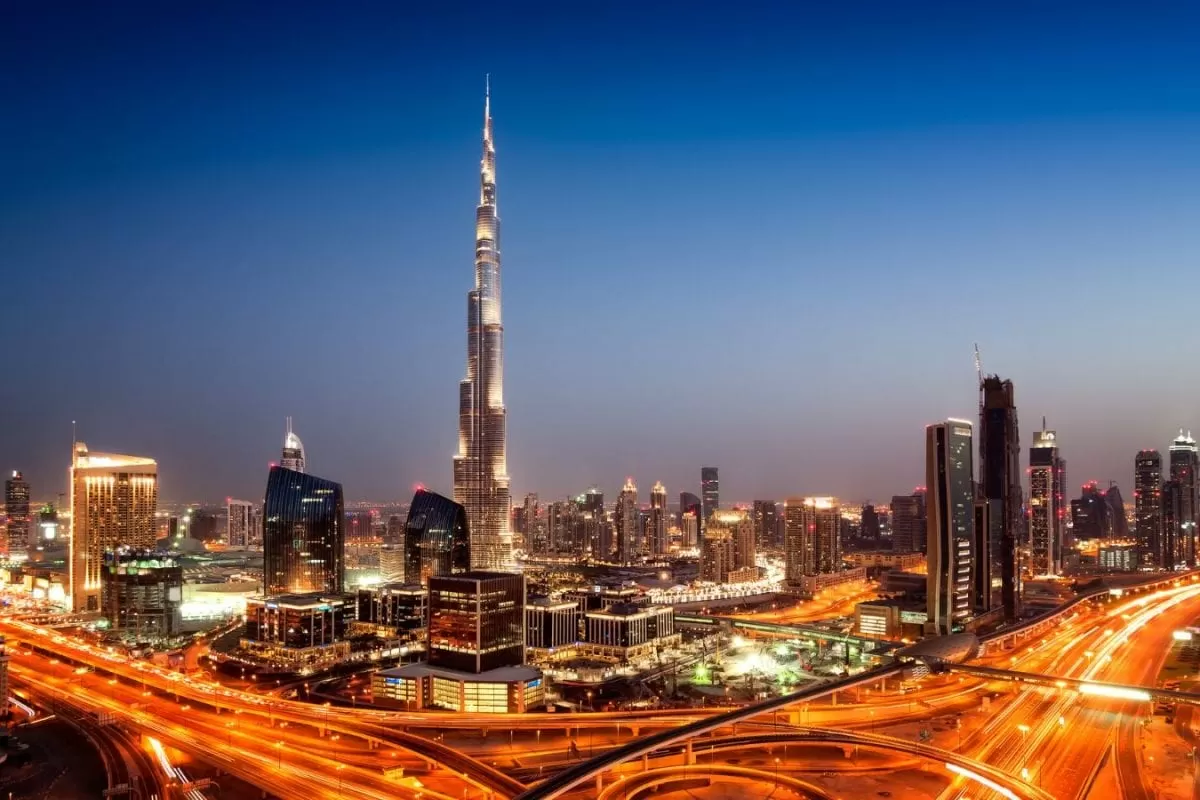
The recent Iranian missile and drone attacks on the United Arab Emirates (UAE) have caused a stir among wealthy Asian investors. Fearing instability in the region, these investors have started moving their assets to Singapore and Hong Kong, two of Asia’s most stable and prosperous financial hubs. This shift in investment patterns is a clear indication of the growing concerns over the UAE’s stability amid escalating tensions in the Middle East.
The UAE has always been a popular destination for foreign investors, thanks to its strategic location, business-friendly policies, and stable economy. The country has been a major contributor to the region’s economic growth and has attracted billions of dollars in foreign investment over the years. However, the recent attacks by Iran have raised serious questions about the UAE’s stability and its ability to protect foreign investments.
The UAE has been a key player in the ongoing tensions between the United States and Iran. The country has been a strong ally of the US and hosts several American military bases, making it a potential target for retaliation from Iran. The recent attacks on UAE’s oil tankers and its proximity to Iran have only intensified the fears of investors, especially those from Asia.
Singapore and Hong Kong, on the other hand, have always been considered safe havens for foreign investors. These two cities have a long history of political stability, strong economic growth, and a well-developed financial sector. This has made them the preferred destinations for investors looking for a secure and profitable investment environment.
The recent shift in investment patterns from the UAE to Singapore and Hong Kong is not surprising. In fact, it is a testament to the confidence that investors have in these two cities. The stability and resilience of their economies have been proven time and again, even during times of global economic turmoil. This has made them a safe bet for investors, especially during uncertain times like these.
The UAE government has taken several measures to reassure investors and maintain stability in the country. It has increased security measures and has also sought the support of its allies to ensure the safety of foreign investments. However, the recent attacks have highlighted the vulnerability of the UAE and the potential risks that come with investing in the region.
The move by Asian investors to shift their assets to Singapore and Hong Kong is a smart and strategic decision. It not only protects their investments but also provides them with a more stable and secure environment to conduct business. Moreover, these two cities offer a wide range of investment opportunities, from real estate to technology, making them attractive options for investors looking to diversify their portfolios.
The UAE, on the other hand, should take note of this shift in investment patterns and work towards addressing the concerns of foreign investors. The country has a lot to offer in terms of business opportunities, but it needs to assure investors that their investments are safe and secure. This can be achieved through stronger partnerships with its allies, increased security measures, and more transparent policies.
In conclusion, the recent Iranian missile and drone attacks on the UAE have prompted wealthy Asian investors to move their assets to Singapore and Hong Kong. This is a clear indication of the growing concerns over the UAE’s stability amid regional tensions. However, this shift in investment patterns also presents an opportunity for the UAE to re-evaluate its policies and strengthen its position as a key player in the region’s economy. With the right measures in place, the UAE can continue to attract foreign investments and maintain its status as a global business hub.
