
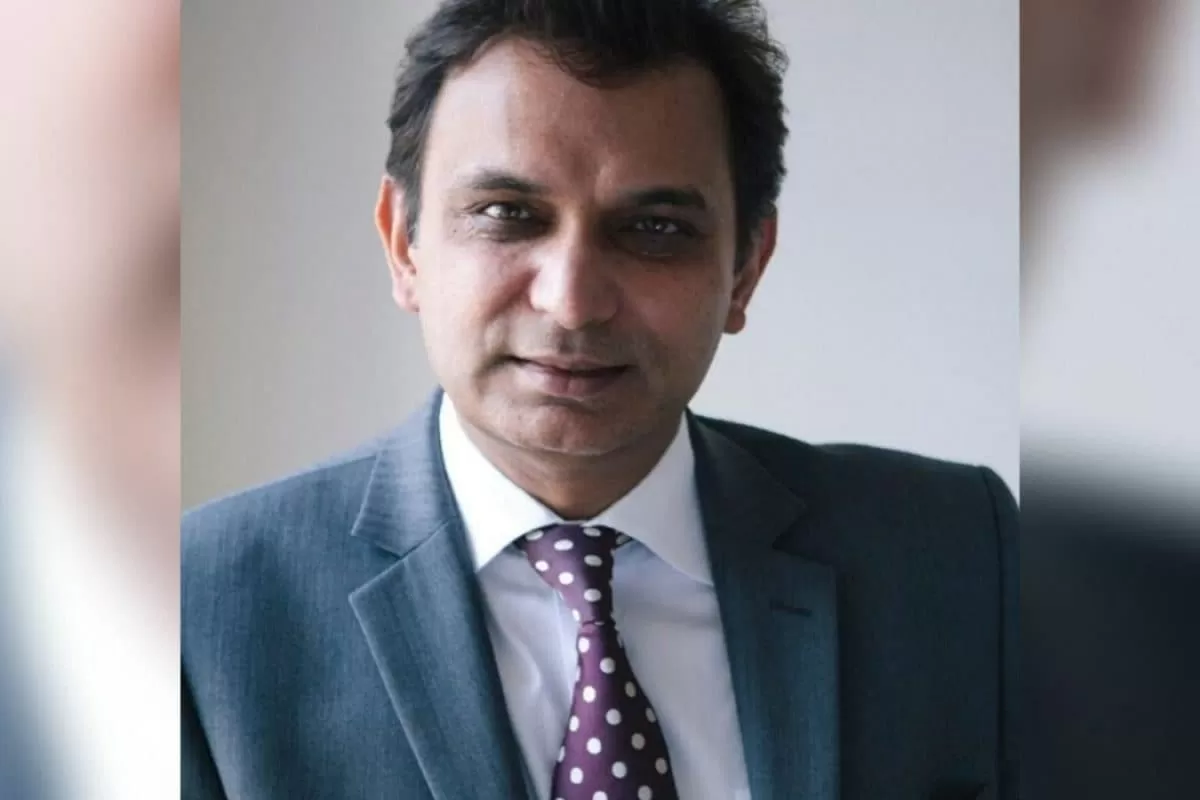
In a groundbreaking medical feat, Professor Prokar Dasgupta, a world-renowned robotic urological surgeon, recently performed a robotic surgery on a patient located 2,400 km away in Gibraltar. This remarkable achievement has not only pushed the boundaries of medical technology but also brought hope to patients and medical professionals alike.
Professor Dasgupta, who heads the urology department at one of London’s leading hospitals, is known for his expertise in minimally invasive robotic surgery. With over 25 years of experience in the field, he has constantly strived to improve patient outcomes and revolutionize the way surgeries are performed.
The recent success of the robotic surgery on a patient in Gibraltar has been hailed as a major breakthrough in the field of medicine. This surgery, which was conducted remotely, involved using cutting-edge robotic technology to perform a complex urological procedure on a patient without the surgeon being physically present in the same location.
This remarkable feat was made possible through a collaboration between Professor Dasgupta’s team and a team of experts at St. Bernard’s Hospital in Gibraltar. The two teams worked seamlessly together, with the help of advanced technological equipment, to perform the surgery successfully.
According to Professor Dasgupta, this achievement would not have been possible without the trust and cooperation of the patient. It takes immense courage to undergo a surgical procedure, and to do so with a surgeon located thousands of kilometers away requires a lot of faith. This patient’s willingness to be a part of this groundbreaking surgery is a testament to the advancements in medical technology and the trust that patients have in their doctors.
The success of this remote robotic surgery has opened up a whole new world of possibilities for medical professionals and patients alike. With the use of robotic technology, surgeons can now perform complex procedures on patients located in remote areas, without the need for them to travel and undergo the associated risks and costs.
Moreover, this revolutionary technology has also improved the precision and accuracy of surgeries, leading to better patient outcomes and shorter recovery times. It also eliminates the need for traditional open surgery, which can be painful and have a longer recovery period.
The implications of this achievement go far beyond the field of urology. It has the potential to transform the way surgery is performed across various medical specialties, from neurosurgery to cardiology. This remote robotic surgery has set a precedent for future medical procedures, where distance and geographical barriers will no longer be a hindrance.
Another significant aspect of this accomplishment is that it has brought together medical professionals from different parts of the world. The collaboration between Professor Dasgupta’s team in London and the team at St. Bernard’s Hospital in Gibraltar serves as an inspiring example of how teamwork and technology can lead to groundbreaking results.
This successful remote robotic surgery has also highlighted the need for continuous research and development in the field of medical technology. It is through the dedication and hard work of experts like Professor Dasgupta that we are constantly pushing the boundaries of what is possible in the field of medicine.
It is also worth mentioning the role that the government and private sector have played in supporting and investing in advanced medical technology. Without their contributions, it would not have been possible to develop and implement such cutting-edge technology in the medical field.
As we celebrate this milestone achievement, it is essential to acknowledge the impact it will have on patients. This remote robotic surgery has given hope to patients who previously had limited access to specialized medical procedures. It has also offered comfort and convenience to patients who had to travel long distances to receive treatment.
In conclusion, Professor Prokar Dasgupta’s successful remote robotic surgery on a patient located 2,400 km away in Gibraltar is a remarkable achievement that has pushed the boundaries of medical technology. It has brought together experts from different parts of the world, showcased the potential of advanced medical technology, and most importantly, given hope to patients and medical professionals. This milestone accomplishment is a testament to the continuous advancements in the medical field and serves as an inspiration for future developments.
