
In recent years, the relationship between the United States and Iran has been tense, to say the least. Both countries have engaged in various forms of conflict, from cyber attacks to military strikes, leaving many to believe that it is only a matter of time before a full-blown war erupts between the two nations. However, amidst all this tension, there is one group that seems to be sitting out the conflict – Iran’s Houthi proxies.
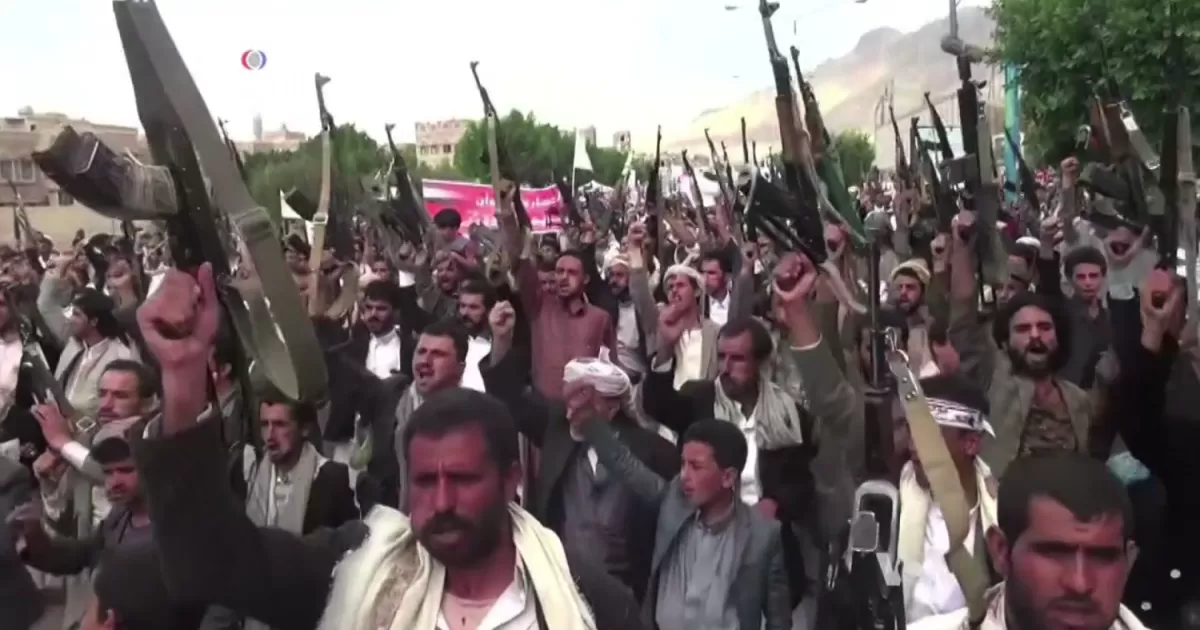
The Houthis, also known as Ansar Allah, are a Shia rebel group in Yemen that has been fighting against the Yemeni government for years. They are known for their close ties with Iran, receiving financial and military support from the country. With the recent escalation between the U.S. and Iran, many expected the Houthis to join in and further complicate the situation. However, surprisingly, the Houthis have remained relatively quiet, leading some to question why.
One theory behind the Houthis’ absence in the conflict is that they are simply biding their time. The group has been engaged in a brutal civil war in Yemen for years, and their focus is currently on gaining control of the country. Engaging in a larger conflict with the U.S. would only divert their attention and resources away from their ultimate goal. As a result, they may be waiting for the right moment to strike and make their move.
Another reason for the Houthis’ lack of involvement could be their fear of retaliation from the U.S. The recent killing of Iranian General Qasem Soleimani by a U.S. drone strike has sent shockwaves throughout the region, and the Houthis would not want to be on the receiving end of such an attack. They may also be wary of further provoking the U.S. and risking an all-out war, which would not be in their best interest.
Furthermore, the Houthis may be trying to maintain their image as a legitimate rebel group, rather than a proxy of Iran. By not getting involved in the U.S.-Iran conflict, they are sending a message that they are an independent group fighting for their own cause. This could help them gain more support from the international community and legitimize their actions in Yemen.
Another possible explanation is that the Houthis are simply not capable of engaging in a larger conflict with the U.S. Despite receiving support from Iran, the group is still relatively small and lacks the resources and capabilities of a national army. They may also be facing internal divisions and struggles, making it difficult for them to coordinate any significant action.
Whatever the reason may be, the Houthis’ absence from the U.S.-Iran conflict is a significant development. It shows that the group is not as reckless and impulsive as many would have thought. Despite their ties with Iran, they are not blindly following the country’s lead and are making calculated decisions based on their own interests.
Moreover, the Houthis’ restraint could be a positive sign for the future. It shows that they are willing to prioritize the well-being of their people and the stability of their country over engaging in a larger conflict. This could potentially open the door for diplomatic solutions to the ongoing crisis in Yemen.
In conclusion, while tensions between the U.S. and Iran continue to escalate, it is clear that Iran’s Houthi proxies are not jumping into the fray. Whether it is due to strategic planning, fear of retaliation, or a desire to maintain their image, the Houthis’ absence in the conflict is a significant development. It is a testament to the group’s rationality and could potentially pave the way for a peaceful resolution to the ongoing crisis in Yemen.
