
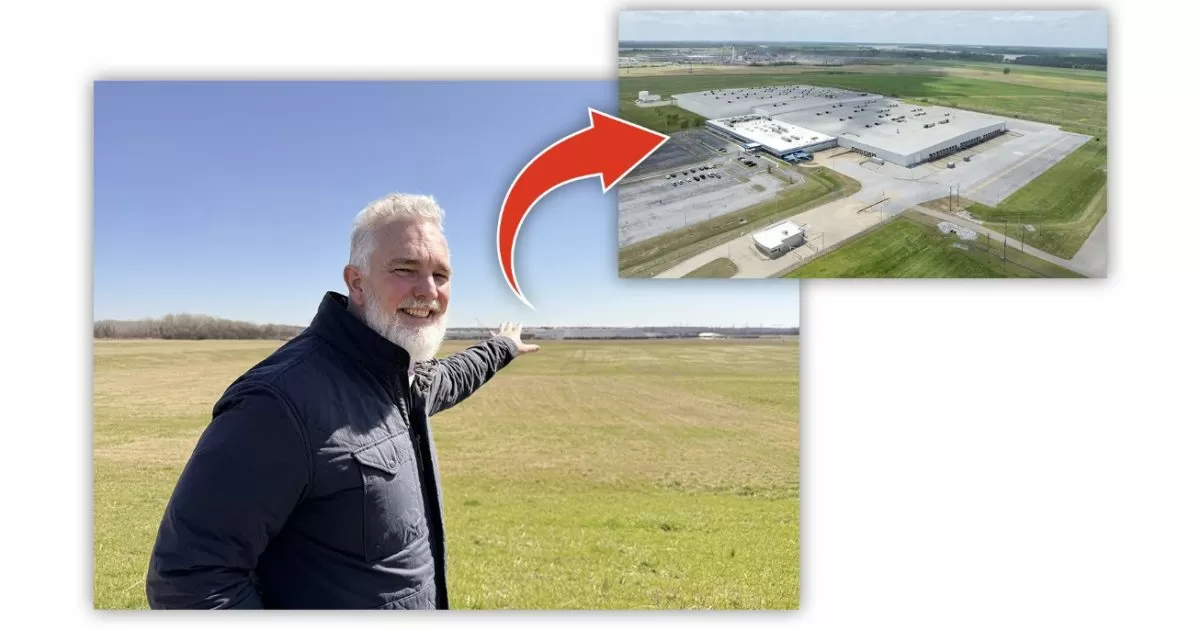
The world of artificial intelligence (AI) has been rapidly expanding in recent years, with more and more companies and industries incorporating this technology into their operations. AI has the potential to revolutionize the way we live and work, but have you ever wondered what goes on inside the data centers that power these intelligent systems? Let’s take a closer look at what’s really going on inside AI data centers.
First and foremost, it’s important to understand what a data center is. Simply put, it is a centralized location where computer systems and associated components, such as storage and networking equipment, are housed and managed. These data centers are the backbone of the digital world, storing and processing massive amounts of data that power everything from social media platforms to e-commerce websites.
So, what makes AI data centers different from traditional data centers? The answer lies in the complexity and sheer volume of data that AI systems require. AI algorithms need to process and analyze vast amounts of data in order to learn and make decisions. This requires a high-performance computing environment, which is where AI data centers come in.
AI data centers are designed to handle the unique needs of AI workloads. They are equipped with specialized hardware, such as graphics processing units (GPUs) and field-programmable gate arrays (FPGAs), which are optimized for AI tasks. These powerful processors allow for faster and more efficient data processing, making it possible for AI systems to learn and improve at a rapid pace.
But it’s not just about hardware. The design and infrastructure of AI data centers are also crucial. These centers need to be able to handle the massive amounts of data being generated and processed, while also ensuring high levels of security and reliability. This requires advanced cooling systems, redundant power supplies, and robust security measures.
One of the biggest challenges facing AI data centers is the constant need for more computing power. As AI systems become more complex and the amount of data they process continues to grow, data centers need to constantly upgrade and expand their capabilities. This not only requires significant investments but also poses environmental concerns, as data centers consume a significant amount of energy.
To address these challenges, companies are turning to innovative solutions such as liquid cooling and renewable energy sources. Liquid cooling systems, which use water or other coolants to dissipate heat, are more efficient than traditional air cooling methods and can significantly reduce energy consumption. Similarly, the use of renewable energy sources, such as solar or wind power, can help reduce the carbon footprint of data centers.
Despite the challenges, the demand for AI data centers continues to grow. According to a report by ResearchAndMarkets.com, the global AI data center market is expected to reach $105.26 billion by 2025, growing at a CAGR of 28.7% from 2020 to 2025. This growth is being driven by the increasing adoption of AI in various industries, including healthcare, finance, and transportation.
But it’s not just about the numbers. AI data centers are playing a crucial role in advancing the field of artificial intelligence and bringing about groundbreaking innovations. From self-driving cars to personalized healthcare, AI is transforming the way we live and work. And it’s all thanks to the powerful computing capabilities of data centers.
In conclusion, AI data centers are the backbone of the digital world and the driving force behind the growth of artificial intelligence. These centers are constantly evolving and adapting to meet the demands of this rapidly expanding field. With innovative solutions and a commitment to sustainability, AI data centers are paving the way for a future where intelligent systems are a part of our everyday lives. So the next time you interact with an AI-powered device, remember the incredible technology and infrastructure that makes it all possible.
