
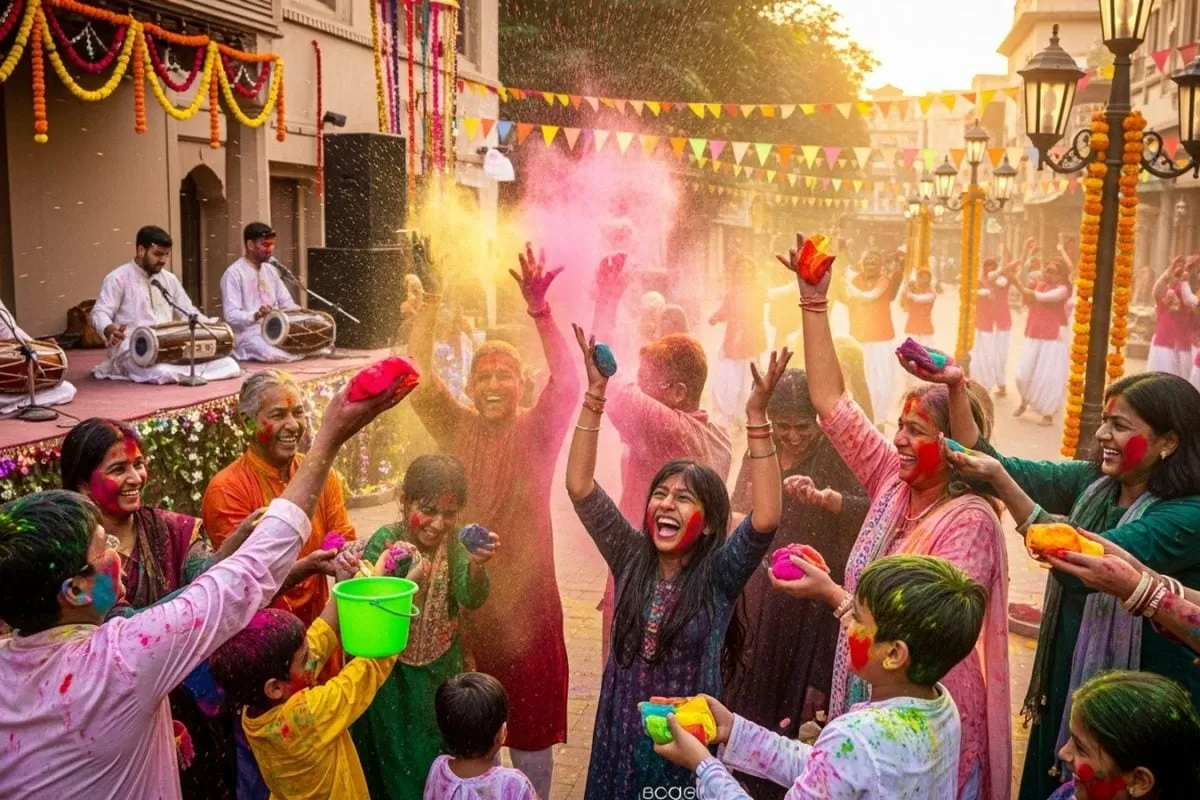
Rang Panchami, also known as Rangapanchami or Shimga, is a vibrant and joyous festival celebrated in India. Unlike Holi, which marks the beginning of the festival of colors, Rang Panchami is observed five days after the full moon of Phalguna month. This auspicious day falls in the month of March and is eagerly awaited by people of all ages and backgrounds.
The name “Rang Panchami” is derived from the Sanskrit words “rang” and “panchami” which translate to “colors” and “fifth day” respectively. It is believed that on this day, Lord Shiva, the Hindu deity of destruction, performed the Tandava dance, a powerful and vigorous dance that symbolizes the cycle of creation and destruction. Therefore, Rang Panchami is also considered a celebration of the victory of good over evil.
Rang Panchami is predominantly celebrated in the western states of Maharashtra, Gujarat, and Karnataka, where it holds immense cultural significance. However, in recent years, this colorful festival has gained popularity in other parts of the country as well. The streets are filled with vibrant colors, laughter, and music as people come together to celebrate this auspicious day.
The celebrations of Rang Panchami begin a day before the festival with the ritual of Holika Dahan. On this day, a bonfire is lit to symbolize the burning of the evil Holika and the triumph of good. The following day, which is Rang Panchami, people come out of their homes armed with colors, water guns, and balloons, ready to smear each other with splashes of hues. It is a day where everyone becomes equal, and social boundaries are broken as people of all ages, genders, and castes come together to celebrate.
The celebrations of Rang Panchami are not limited to the streets; they are also observed in temples and homes. People offer prayers to Lord Shiva and seek his blessings for prosperity and well-being. Devotees visit temples with offerings of flowers, sweets, and coconut to seek blessings from the deity. The temples adorn a festive look with colorful rangolis and decorations, adding to the overall festive spirit.
One of the unique attractions of Rang Panchami is the traditional custom of “Holi-dhulivandan,” where people gather on the streets to play with colors and dance to the beat of drums. This cultural ritual brings together the entire community and promotes a sense of togetherness, love, and unity.
Apart from the colorful celebrations, Rang Panchami is also a day for delectable delicacies. Different types of sweets and snacks are prepared and shared among friends and family, adding a gastronomical aspect to the festivities.
Another interesting aspect of Rang Panchami is the musical performances and cultural programs that are organized in various parts of the country. These events showcase the rich cultural heritage of India and promote the diversity of traditions and customs that are deeply rooted in our society.
In recent years, Rang Panchami has also become a popular tourist attraction, with people from different parts of the world coming to experience the vibrancy and liveliness of this festival. It is an excellent opportunity for people to immerse themselves in the beauty and diversity of Indian culture and create unforgettable memories.
In conclusion, Rang Panchami is a festival that not only adds color to our lives but also spreads love, happiness, and togetherness. It symbolizes the victory of good over evil and promotes unity and inclusivity in society. Let us celebrate this vibrant festival with joy and enthusiasm, and may the colors of Rang Panchami bring happiness and prosperity into our lives. Happy Rang Panchami!
