
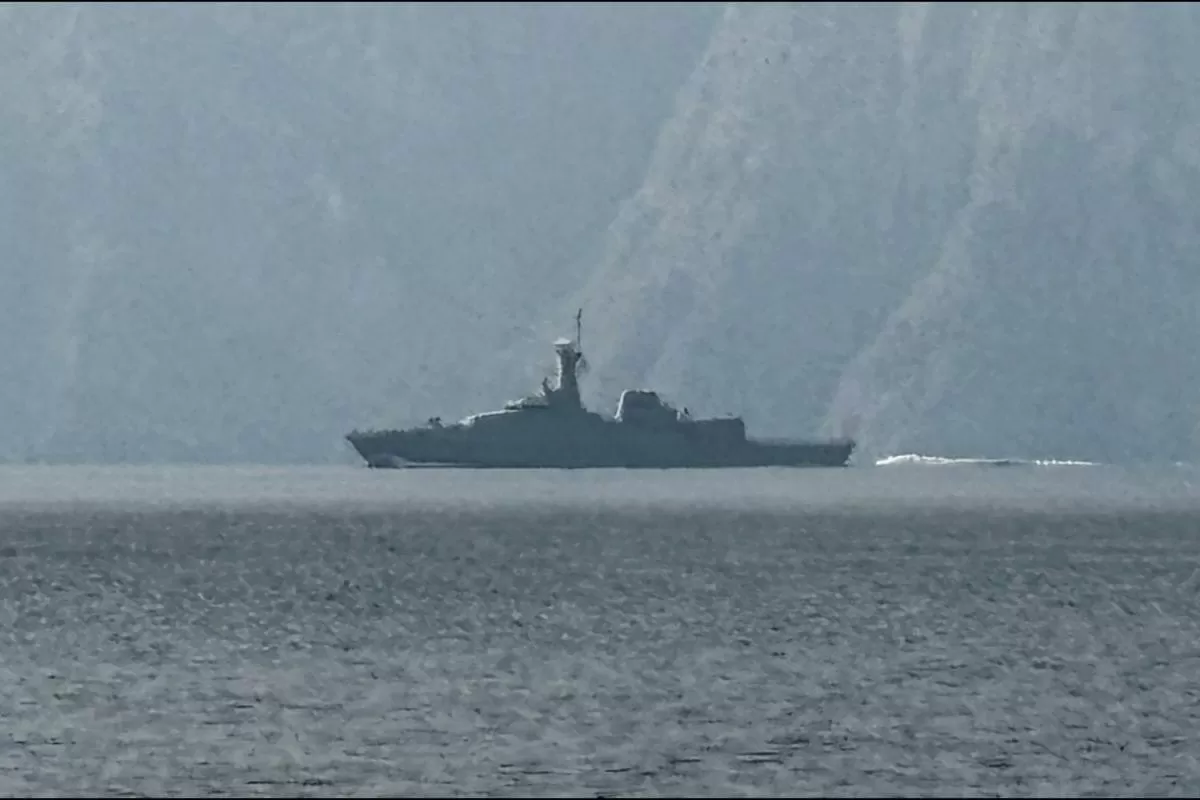
Iran’s recent actions in the Gulf waters have sparked a major retreat by the world’s leading maritime financial institutions. The country’s strategy has caused major insurers to either pause or reduce their war-risk cover in the region, creating a ripple effect in the global maritime industry.
The decision by these financial institutions comes in the wake of increased tensions between Iran and the United States, as well as other countries in the region. Iran has been accused of attacking oil tankers and other vessels in the Gulf, leading to concerns over the safety of shipping in the area.
This move by Iran has caused a significant shift in the maritime insurance market, with major players such as Lloyd’s of London and the International Group of P&I Clubs taking a cautious approach. These institutions have either stopped providing war-risk cover or have reduced their coverage in the Gulf waters, citing the increased risk posed by Iran’s actions.
The impact of this retreat by maritime financial institutions is being felt across the industry. Ship owners and operators are now facing higher insurance costs, as well as limited options for coverage in the Gulf. This has also led to disruptions in trade and commerce, as many companies are now hesitant to conduct business in the region.
But what is Iran’s strategy and why has it triggered such a massive retreat by these institutions? The answer lies in the country’s long-standing political and economic tensions with the United States and its allies. The US has imposed strict sanctions on Iran, crippling its economy and limiting its ability to export oil, which is the country’s main source of revenue.
In response, Iran has resorted to using its military and political influence in the region to disrupt shipping and create instability in the Gulf waters. By targeting oil tankers and other vessels, Iran is sending a clear message to the international community that it will not back down in the face of US sanctions.
This strategy has proven to be effective, as seen by the retreat of major maritime financial institutions. However, it has also raised concerns over the safety of shipping in the Gulf and the potential for further escalation of tensions between Iran and the US.
Despite these challenges, there is still hope for a resolution to this issue. The recent talks between Iran and world powers, including the US, have shown a willingness to find a diplomatic solution to the ongoing tensions. This could lead to a de-escalation of the situation and a return to normalcy in the Gulf waters.
In the meantime, it is important for the international community to work together to ensure the safety and security of shipping in the region. This includes finding alternative solutions for war-risk cover and implementing measures to mitigate the risks posed by Iran’s actions.
It is also crucial for all parties involved to continue engaging in dialogue and finding a peaceful resolution to the ongoing tensions. The maritime industry plays a vital role in global trade and any disruptions in the Gulf waters can have a significant impact on the global economy.
In conclusion, Iran’s strategy has triggered a massive retreat by the world’s leading maritime financial institutions, causing disruptions in the industry and raising concerns over the safety of shipping in the Gulf. However, with continued efforts towards finding a diplomatic solution and implementing necessary measures, we can hope for a return to stability and normalcy in the region.
