
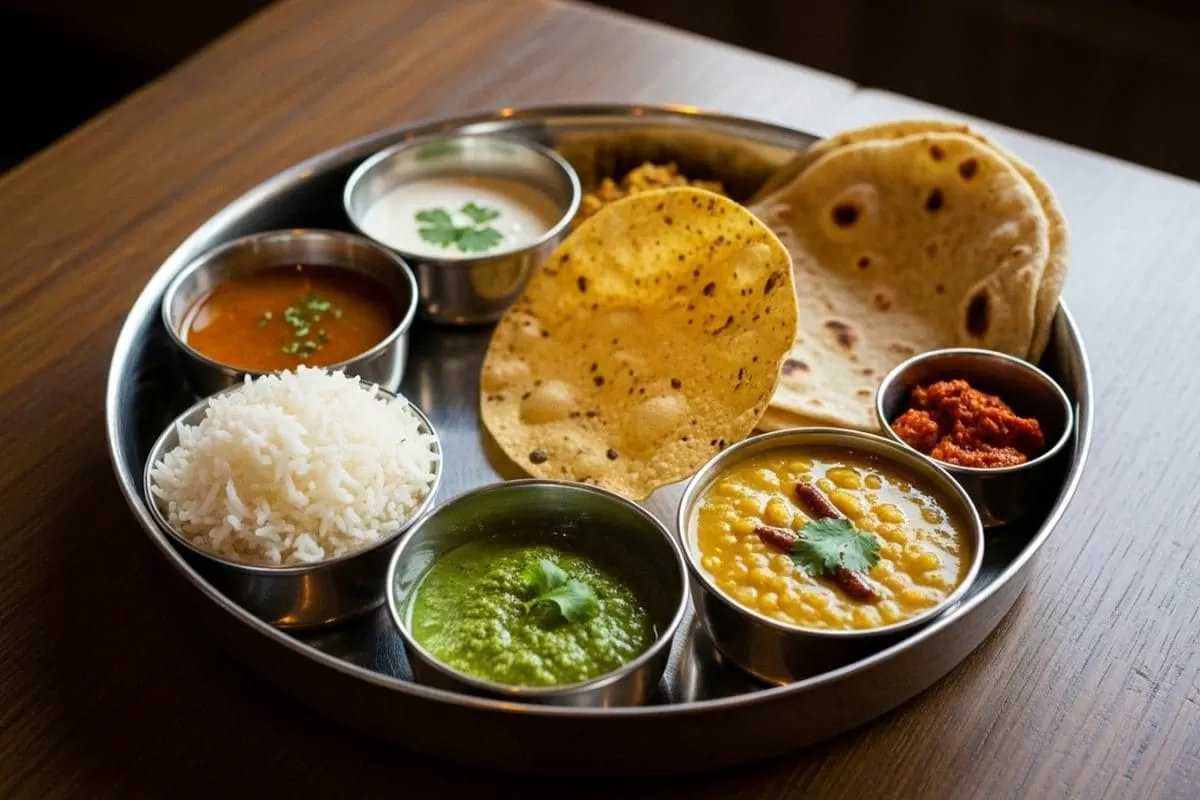
From Fermented Foods to Plant Diversity: Experts Reveal the Missing Pieces for Optimal Gut Health in the Modern Indian Plate
When we talk about a healthy diet, we often focus on the macronutrients – proteins, carbohydrates, and fats. However, there is another important component that is often overlooked but plays a crucial role in our overall health – our gut microbiome. The gut microbiome is the community of microorganisms that reside in our digestive tract and it is responsible for maintaining our digestive and immune system, as well as our mental well-being. And while the modern Indian plate may be filled with delicious and diverse flavors, it is missing some key components for optimal gut health.
Fermented foods have been a part of Indian cuisine for centuries and are known for their probiotic properties. Probiotics are live microorganisms that have numerous health benefits when consumed in adequate amounts. However, with the increasing availability of processed and packaged foods, the consumption of traditional fermented foods has decreased, leading to a decline in the diversity of gut microbiome. This is why experts are encouraging the inclusion of fermented foods in the modern Indian diet.
Fermentation is a process in which microorganisms such as bacteria, yeast, and mold, break down complex carbohydrates and proteins in food, making them easier to digest. Fermented foods like yogurt, buttermilk, kefir, and idli are rich in probiotics, which help in the production of enzymes that aid in digestion and improve the absorption of nutrients. They also help in balancing the gut bacteria, which is crucial for a healthy gut. Additionally, fermented foods are a great source of vitamins, minerals, and antioxidants, making them an essential part of a healthy diet.
Apart from fermented foods, the modern Indian plate is also lacking in diversity when it comes to plant-based foods. In recent years, the Indian diet has shifted towards a more Westernized pattern, with a higher consumption of processed and animal-based foods. This has led to a decrease in the consumption of plant-based foods, which are rich in fiber, vitamins, minerals, and phytochemicals, all of which are essential for a healthy gut.
Fiber, in particular, plays a vital role in maintaining gut health. It acts as food for the good bacteria in our gut, promoting their growth and diversity. A lack of fiber in the diet can lead to an imbalance in the gut microbiome, increasing the risk of various digestive disorders. The traditional Indian diet, which is rich in whole grains, legumes, fruits, and vegetables, provides a good amount of fiber. But with the growing popularity of processed foods, the consumption of these fiber-rich foods has reduced, affecting our gut health.
Experts suggest that incorporating a variety of plant-based foods in our diet can help improve our gut health. This includes a variety of fruits, vegetables, whole grains, legumes, and nuts. Adding a handful of nuts as a mid-day snack or incorporating a variety of vegetables in our meals can go a long way in promoting the growth of good bacteria in our gut.
In addition to fermented foods and plant diversity, another important aspect of gut health is the consumption of prebiotics. Prebiotics are non-digestible fibers that act as food for the good bacteria in our gut, promoting their growth and diversity. They are present in various plant-based foods such as garlic, onion, whole grains, bananas, and asparagus. Including these foods in our diet can help in maintaining a healthy balance of gut bacteria.
Apart from diet, our lifestyle also plays a crucial role in maintaining a healthy gut. Stress, lack of sleep, and sedentary lifestyle can all affect our gut health. Practicing stress-reducing techniques such as yoga and meditation, getting adequate sleep, and incorporating physical activity into our daily routine can all help in promoting a healthy gut.
In conclusion, the modern Indian plate is missing some key components for optimal gut health. The decline in the consumption of traditional fermented foods and the lack of diversity in plant-based foods have both contributed to an imbalance in our gut microbiome. It is essential to incorporate these foods back into our diet to promote the growth of good bacteria in our gut. With a few simple changes in our diet and lifestyle, we can take a step towards better gut health and overall well-being. So let’s make a conscious effort to include fermented foods, a variety of plant-based foods, and prebiotics in our daily meals and take
