
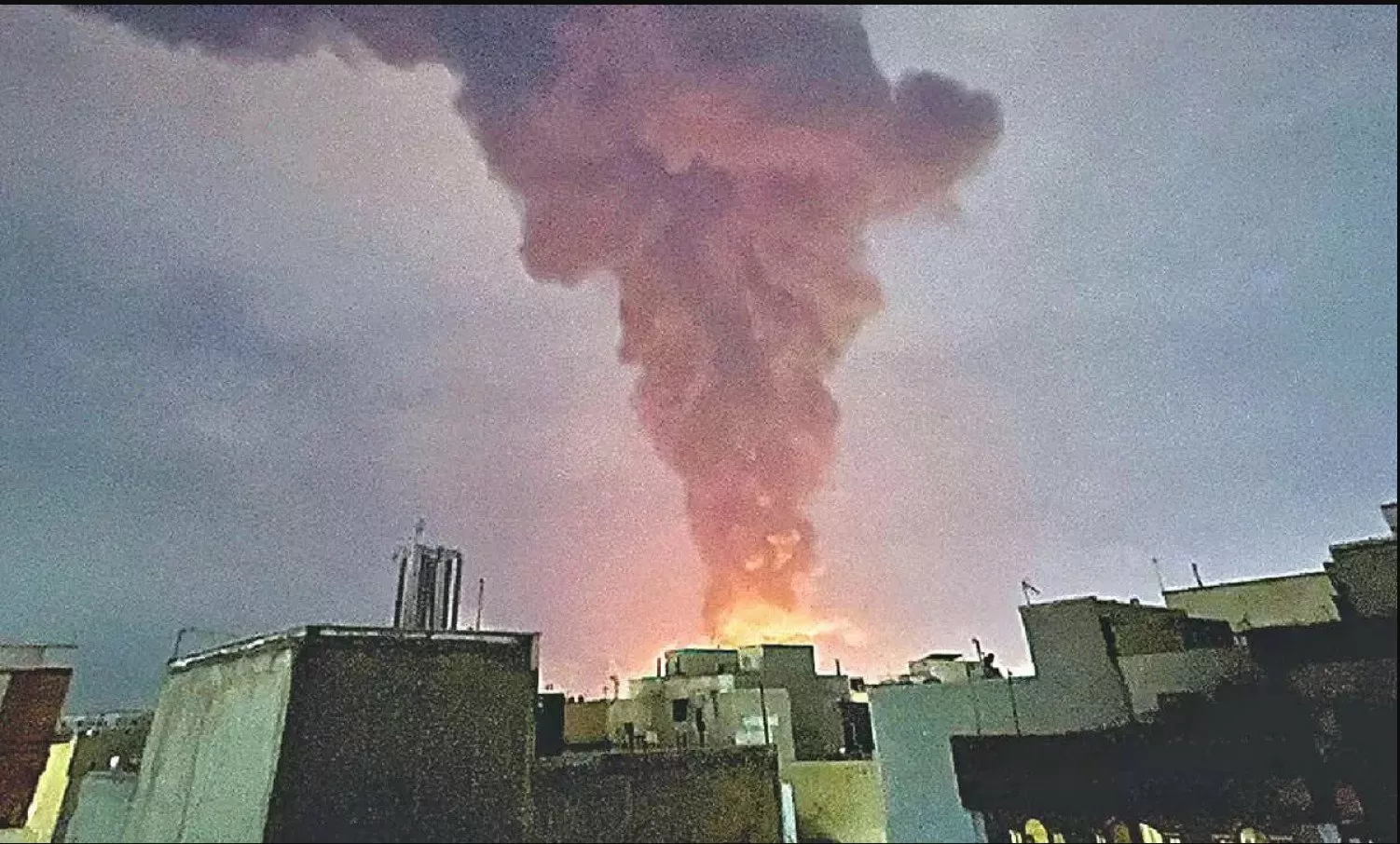
Iran faces a double-edged sword as it continues to play a vital role in the global oil market. As both a major crude-oil exporter and a net importer of refined petroleum products, the country has always been in a precarious position. However, recent events have intensified this dilemma, with Iranian oil infrastructure being targeted by devastating Israeli strikes, resulting in a shortage of refined petroleum products and converting Iran into a net petroleum importer.
The recent airstrikes, carried out by Israel in an attempt to weaken Iran’s nuclear program, have caused severe damage to the country’s oil infrastructure, including its refining facilities. This has significantly hampered Iran’s ability to refine its own crude oil, forcing the nation to turn to the global market for refined petroleum products. As a result, Iran is now facing the harsh reality of being dependent on other countries for its fuel needs.
Before these attacks, Iran was already struggling to meet its domestic demand for refined petroleum products due to its insufficient refining capacity. The country’s refineries were not able to keep pace with the increasing demand for fuel, which forced Iran to import a substantial amount of gasoline, diesel, and jet fuel. However, the recent airstrikes have only exacerbated this problem, leaving Iran with no other option but to turn to the global market for its fuel needs.
The consequences of this situation will have a significant impact not only on Iran but also on the global oil market. As a major crude-oil exporter, Iran plays a pivotal role in stabilizing the global oil market. However, with the country now being forced to import refined petroleum products, it will no longer be able to contribute to keeping oil prices in check. This could potentially lead to an increase in oil prices, affecting the entire world.
Furthermore, the dependence on imported refined petroleum products will also have an adverse effect on Iran’s economy. As a nation heavily reliant on oil revenues, the increased cost of importing fuel will create a significant strain on its finances. This could lead to a decline in Iran’s economic growth and affect the standard of living of its citizens.
The situation in Iran is dire, but it is not irreversible. The country must take immediate action to address its inadequate refining capacity and reduce its dependence on imported refined petroleum products. This can be achieved by investing in new refining facilities and upgrading the existing ones. By doing so, Iran will not only be able to meet its domestic demand for fuel but also have the potential to become a net exporter of refined petroleum products in the future.
Furthermore, the country can also explore alternative energy sources to reduce its reliance on oil. Iran has vast potential for renewable energy sources, such as solar and wind power, which could help diversify its energy mix and reduce its dependence on oil.
Moreover, this difficult situation has also opened up opportunities for Iran to collaborate with other countries. Many nations, such as China and India, have a high demand for crude oil and are willing to invest in Iran’s oil infrastructure. By forging partnerships with these countries, Iran can not only improve its refining capabilities but also secure a steady market for its crude oil exports.
In conclusion, the recent Israeli airstrikes have dealt a severe blow to Iran’s oil industry, forcing the country to become a net petroleum importer. This situation has not only affected Iran’s economy but also has wider implications for the global oil market. However, with the right strategies and investments, Iran can turn this challenge into an opportunity and emerge stronger. The country must take swift and decisive action to address its inadequate refining capacity, explore alternative energy sources, and forge partnerships with other nations. Only then can Iran break free from its dependence on imported fuel and once again establish itself as a major player in the global oil market.
