
Iran’s recent threat to allow only nations who expel US and Israeli ambassadors to navigate the vital shipping route of the Strait of Hormuz is a clear demonstration of their desperation and disregard for international law. The Islamic Revolutionary Guard Corps (IRGC) announced this unhinged and unreasonable demand, hoping to coerce countries into doing their bidding. However, the question remains, who will bow to Iran’s blatant blackmail?
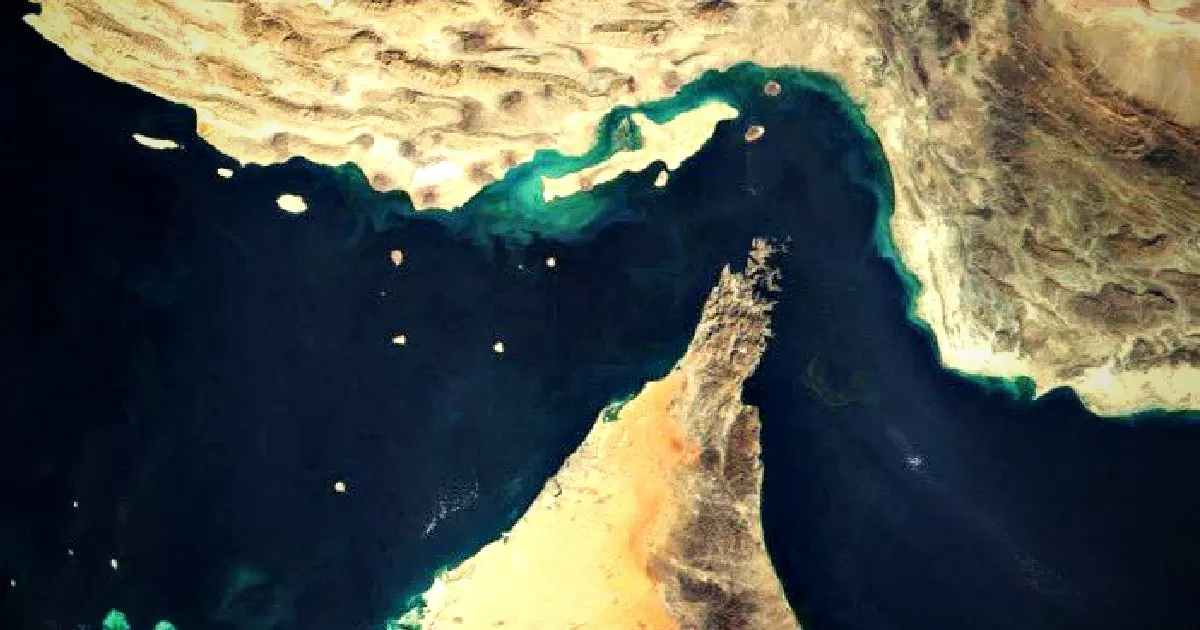
The Strait of Hormuz is a strategic waterway located between Iran and the Arabian Peninsula, connecting the Persian Gulf and the Gulf of Oman. It is a key transit route for global oil supplies, with one-fifth of the world’s oil passing through it. This vital waterway is crucial not only for the countries in the region but also for the global economy. Therefore, any threat to its stability is a cause for serious concern.
Iran has a history of using this narrow sea passage to flex its muscles and intimidate neighboring countries. Their recent threat to close this crucial waterway is not only a violation of international law but also a reckless and dangerous act. Iran’s aggression towards the US and Israel is well-known, and their attempt to drag other nations into their conflict is a clear indication of their desperation.
The US and Israel have been the targets of Iran’s rhetoric and violent actions for decades. The Iranian regime has openly called for the destruction of Israel and has been involved in several terrorist activities against the US. Therefore, it is understandable that these countries have taken measures to protect their interests and ensure their safety. However, Iran’s attempt to punish other nations for not complying with their demands is unacceptable.
Moreover, Iran’s demand to expel the US and Israeli ambassadors goes against the principles of diplomacy and international relations. The expulsion of ambassadors is a serious and extreme action that should only be taken in the most dire of circumstances. Iran’s demand for it shows their disregard for diplomatic norms and their desperation to cause chaos in the region.
It is worth noting that the US and Israel are not the only ones at risk from Iran’s aggression. The countries in the region, including the Gulf states, have also been targeted by Iran’s malicious activities. The threat to close the Strait of Hormuz not only affects the US and Israel but also puts the safety and stability of their neighboring countries in jeopardy. Therefore, it is imperative that these countries stand together and reject Iran’s blackmail.
The international community cannot allow Iran to hold the world’s economy hostage for their political agenda. It is crucial that the global community sends a strong message to Iran that their actions will not be tolerated. Any nation that gives in to Iran’s demands is not only betraying their own interests but also compromising the safety and stability of the entire region.
Fortunately, most countries have condemned Iran’s threat and have stated that they will not be blackmailed. The US has called Iran’s actions “blatant threats to attack international shipping,” and numerous countries, including the UK, have expressed their support for the US and Israel. This united front against Iran’s aggression sends a powerful message that their tactics will not be tolerated.
In conclusion, Iran’s demand to expel US and Israeli ambassadors in exchange for access to the Strait of Hormuz is a clear demonstration of their desperation and disregard for international law. Their attempt to drag other nations into their conflict is unacceptable, and the international community must stand together to reject this blackmail. It is time for the world to show Iran that their actions will have consequences and that they will not be allowed to hold the Strait of Hormuz hostage. Only then will Iran realize that their aggressive and reckless behavior will not be tolerated by the global community.
