
Menstrual Cramps: Understanding and Managing the Pain
For many women, monthly periods are accompanied by a host of symptoms – bloating, mood swings, and of course, menstrual cramps. These cramps, also known as dysmenorrhea, are a common occurrence during menstruation and can range from mild discomfort to severe pain. While it may be tempting to dismiss them as a normal part of our monthly cycle, ignoring menstrual cramps can have a negative impact on our overall health. In this article, we will delve into the causes of menstrual cramps and explore effective ways to manage them.
What Causes Menstrual Cramps?
During menstruation, the uterus contracts to shed its lining, allowing the body to release the unfertilized egg. These contractions are triggered by hormone-like substances called prostaglandins, which are released by the lining of the uterus. When the level of prostaglandins is high, the contractions become more intense, causing painful cramps.
Apart from hormonal fluctuations, there are other factors that can contribute to menstrual cramps. These include lifestyle habits such as smoking, excessive alcohol consumption, and poor diet. Stress and anxiety can also play a role in intensifying period pain. In some cases, underlying medical conditions like endometriosis or pelvic inflammatory disease may also be responsible for severe menstrual cramps.
Managing Menstrual Cramps
While it may seem like an inevitable part of our menstrual cycle, there are several ways to effectively manage menstrual cramps and minimize their impact on our daily lives.
1. Over-the-counter pain relievers: Non-steroidal anti-inflammatory drugs (NSAIDs) like ibuprofen and naproxen can be helpful in reducing the intensity of menstrual cramps. These medications work by blocking the production of prostaglandins, thereby reducing the severity of uterine contractions.
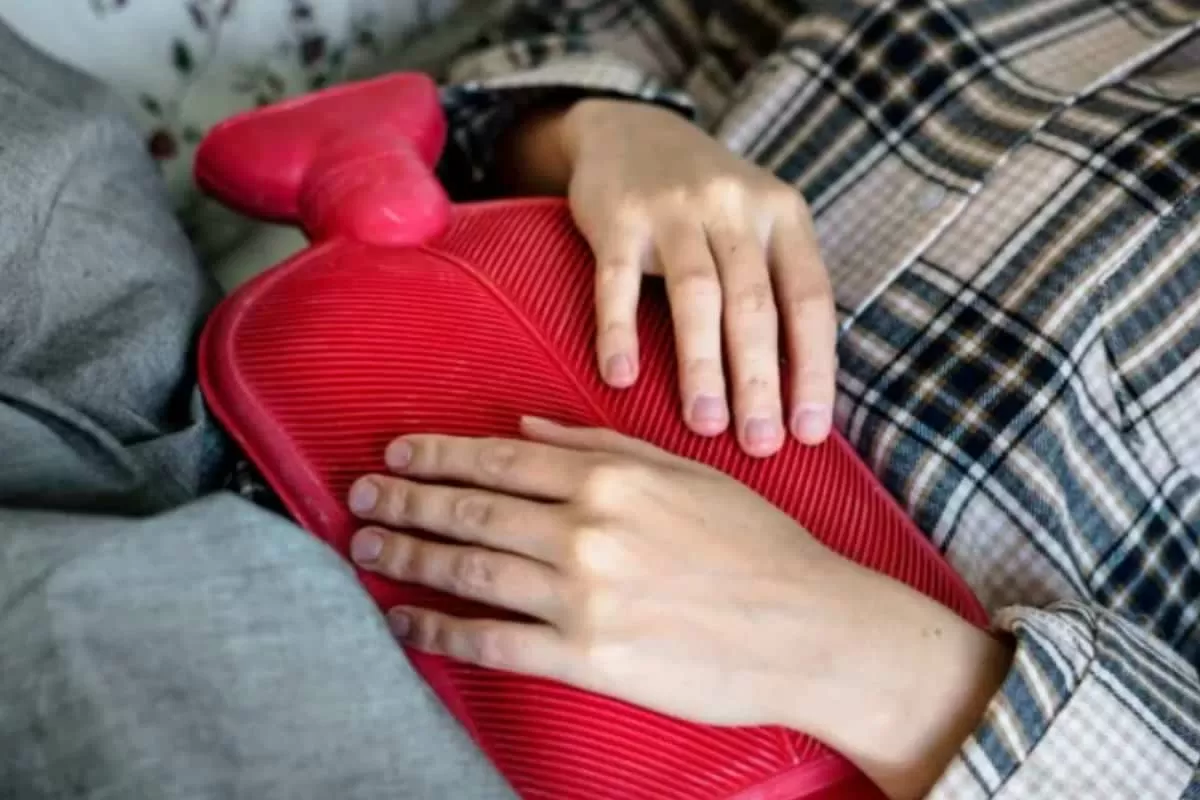
2. Heat therapy: Applying a heating pad or a warm compress to the lower abdomen can also provide relief from period pain. The heat helps to relax the muscles and increases blood flow, which in turn, reduces cramping.
3. Exercise: While it may be the last thing on your mind when dealing with menstrual cramps, light exercise can actually help to alleviate the pain. Low-impact activities like yoga, walking, and swimming can help to release endorphins, which act as natural painkillers.
4. Dietary changes: Consuming a balanced and healthy diet can help to reduce the severity of menstrual cramps. Foods rich in omega-3 fatty acids, such as salmon and flaxseeds, can help to reduce inflammation and ease period pain. Avoiding foods that are high in sugar, salt, and saturated fats can also make a difference.
5. Herbal remedies: Some women find relief from menstrual cramps by using herbal remedies like chamomile tea, ginger, and cinnamon. However, it is important to consult with a healthcare professional before trying any new supplements or herbal remedies.
6. Birth control: For women who experience severe menstrual cramps, hormonal birth control methods like the pill, patch, or intrauterine device (IUD) can be an effective solution. These methods work by regulating hormone levels and reducing the severity of period pain.
When to Seek Medical Help
While menstrual cramps are common, there are times when the pain may be a cause for concern. If your cramps are interfering with your daily activities, or if you experience severe pain that is not relieved by over-the-counter medication, it is important to consult with your doctor. Additionally, if your cramps are accompanied by heavy bleeding, fever, or abnormal discharge, seeking medical help is crucial.
In Conclusion
Menstrual cramps may be a common occurrence, but they should not be ignored. By understanding the causes of period pain and adopting healthy lifestyle habits, we can effectively manage our menstrual cramps and improve our overall well-being. However, it is important to seek medical help if the pain becomes unbearable or is accompanied by other concerning symptoms. Let’s prioritize our health and not let menstrual cramps hold us back from living our lives to the fullest.
