
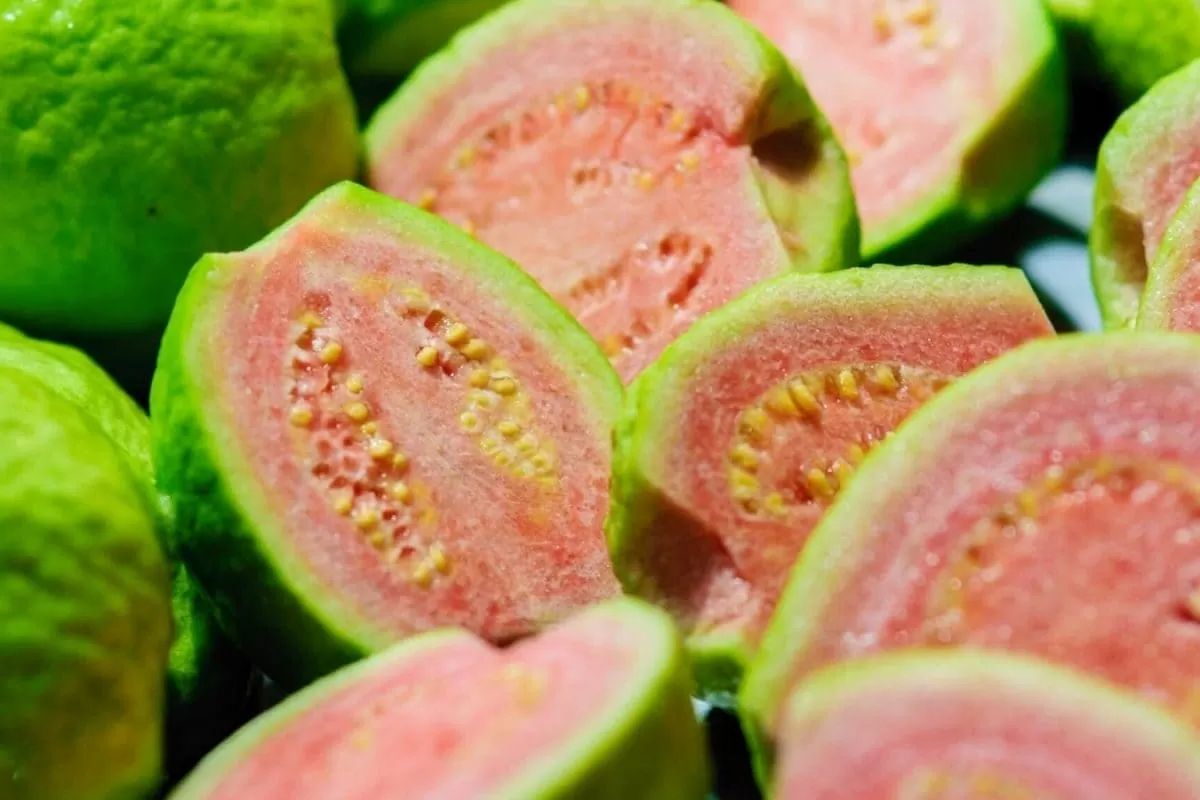
Guava is a tropical fruit that is loved by many for its unique flavor and numerous health benefits. It is packed with vitamins and nutrients that make it a superfood in its own right. But when it comes to eating guava, there is often a debate about whether one should eat it with the peel or without it. To put an end to this confusion, we spoke to an expert who explains the health benefits and precautions one should know when it comes to consuming guava with or without the peel.
Firstly, let’s understand the nutritional value of guava. This humble fruit is a powerhouse of nutrients, containing high levels of vitamins A, C, and B, as well as minerals like potassium, magnesium, and calcium. It is also rich in antioxidants and dietary fiber, making it a great addition to any diet. However, the question remains – should you eat guava with the peel or without it?
According to Dr. Priya Khorana, a nutritionist and assistant professor at Tufts University, “The peel of guava is edible and contains a significant amount of nutrients. However, it is important to wash the fruit thoroughly before consuming it with the peel.” This is because the peel may contain harmful bacteria or pesticides that can cause food poisoning or other health issues. Therefore, it is essential to clean the guava properly before eating it with the peel.
Now, let’s look at the benefits of eating guava with the peel. The peel of guava is rich in dietary fiber, which aids in digestion and helps prevent constipation. It also contains high levels of antioxidants, which help fight against free radicals and protect the body from various diseases. Additionally, the peel is a good source of vitamin C, which boosts the immune system and helps in the production of collagen, promoting healthy skin and hair.
On the other hand, some people prefer to eat guava without the peel, citing its bitter taste as the reason. However, this may not be the best decision when it comes to reaping the full benefits of this fruit. Dr. Khorana explains, “Eating guava without the peel means missing out on a significant amount of nutrients. The peel contains more antioxidants and dietary fiber than the flesh of the fruit.” Therefore, it is recommended to consume guava with the peel to get the maximum health benefits.
However, there are some precautions one should take when eating guava with the peel. As mentioned earlier, it is crucial to wash the fruit thoroughly before consuming it. Additionally, if you have a sensitive stomach or suffer from digestive issues, it is best to remove the peel as it may cause discomfort. Also, if you are allergic to guava, it is advisable to avoid eating it with the peel as it may worsen your symptoms.
In conclusion, guava is a nutritious fruit that can be consumed with or without the peel. However, to get the maximum health benefits, it is recommended to eat it with the peel after washing it thoroughly. The peel of guava is a rich source of nutrients and antioxidants that can help boost your immune system, aid in digestion, and promote healthy skin and hair. However, it is essential to take precautions and remove the peel if you have a sensitive stomach or are allergic to guava. So, the next time you reach for a guava, remember to wash it well and enjoy it with the peel for a healthy and delicious snack.
