
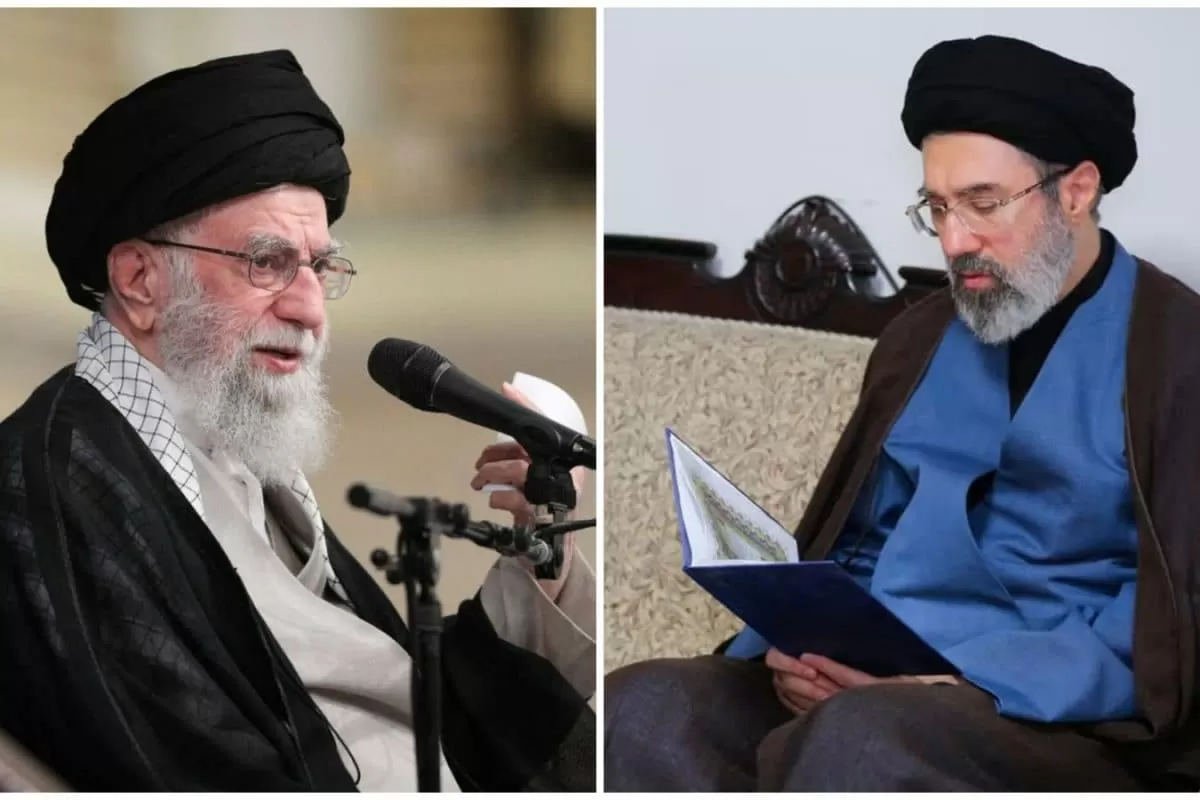
The world was left in shock when news broke out that the late Supreme Leader of Iran, Ayatollah Ali Khamenei, had reportedly expressed in his will that he did not want his son, Mojtaba, to succeed him. This revelation has sparked discussions and debates among the Iranian people and the international community, with many wondering about the implications of this decision.
Ayatollah Ali Khamenei, who passed away at the age of 82 after a long battle with cancer, was a highly respected and influential figure in Iran. He had been the Supreme Leader of the country since 1989 and was known for his strong leadership and unwavering commitment to the principles of the Islamic Revolution. His passing was a great loss for the nation, and his will has only added to the already existing grief and confusion.
According to sources close to the late Supreme Leader, his will stated that he did not want his son, Mojtaba, to succeed him as the next Supreme Leader of Iran. This decision has come as a surprise to many, as it was widely believed that Mojtaba was being groomed to take over the position from his father. Mojtaba, who is in his late 50s, has been a key figure in the Iranian government and is known to have a close relationship with his father. However, it seems that Ayatollah Khamenei had other plans for the future of Iran.
The news of Ayatollah Khamenei’s will has sparked various speculations and theories about the reasons behind his decision. Some believe that he wanted to prevent any potential power struggle or conflict within the Iranian government, while others suggest that he wanted to ensure that the next Supreme Leader is chosen based on merit and not family ties. Whatever the reason may be, one thing is clear – Ayatollah Khamenei’s decision has once again highlighted the importance of the principles of the Islamic Revolution, which puts the interests of the nation above all else.
It is also worth noting that this decision is not unprecedented in the history of Iran. The late Ayatollah Ruhollah Khomeini, who was the founder of the Islamic Republic of Iran, had also expressed his wish for the next Supreme Leader to be chosen based on merit and not family ties. This shows that the late Supreme Leader’s decision is in line with the values and principles of the Islamic Revolution, which has always prioritized the well-being of the nation.
Furthermore, Ayatollah Khamenei’s will has also shed light on the importance of the role of the Supreme Leader in the Iranian government. The Supreme Leader is not only the highest political and religious authority in the country but also plays a crucial role in safeguarding the Islamic Revolution and its principles. It is a position that requires great wisdom, knowledge, and dedication to the nation, and Ayatollah Khamenei’s decision to not pass on this responsibility to his son is a testament to his commitment to the well-being of Iran.
In conclusion, the late Supreme Leader Ayatollah Ali Khamenei’s will has caused a stir in Iran and the international community. His decision to not have his son succeed him as the next Supreme Leader has raised many questions and speculations. However, it is important to remember that this decision is in line with the principles of the Islamic Revolution and highlights the importance of choosing the next Supreme Leader based on merit and not family ties. As the nation mourns the loss of a great leader, it is also a time to reflect on the values and principles that he stood for and to continue to uphold them for the betterment of Iran.
