
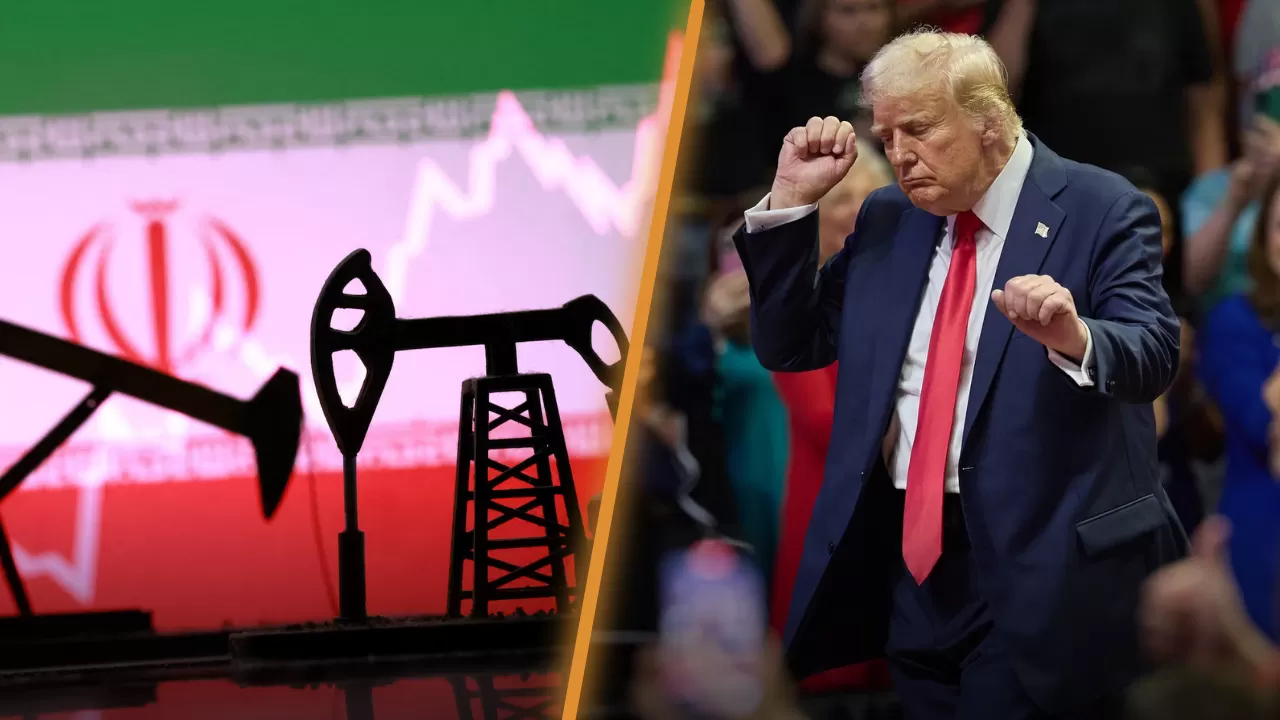
The recent tensions between the United States and Iran have sparked fears of a major oil price shock. Many people are worried that the conflict could lead to a sharp increase in oil prices, which would have a significant impact on the global economy. However, in this episode of The Patriot Perspective, we dive into the details and explain why the Iran crisis is unlikely to trigger a major oil price shock.
First and foremost, it is important to understand that the recent spikes in oil prices are not solely due to the tensions with Iran. In fact, there are a number of other factors at play, such as the ongoing trade war between the US and China, production cuts by OPEC, and global economic slowdown. These factors have all contributed to the rise in oil prices, and it would be unfair to solely blame the Iran crisis.
Furthermore, it is worth noting that Iran is not a major player in the global oil market. Yes, the country has significant oil reserves, but its production has been limited due to economic sanctions. In fact, Iran’s oil exports have dropped by more than 80% since the US imposed sanctions in 2018. This means that even if Iran were to completely halt its oil production, it would not have a significant impact on the global market.
Moreover, the US has recently become the world’s largest producer of oil, surpassing Saudi Arabia and Russia. This means that the US is now in a position to make up for any potential loss of Iranian oil on the global market. In fact, the US has already announced that it will use its strategic oil reserves if necessary to stabilize prices.
Another important factor to consider is that the recent tensions between the US and Iran have not yet resulted in any major disruption to the oil supply. Despite the US airstrike that killed Iranian General Qasem Soleimani, there has been no significant retaliation from Iran. This has helped to ease concerns about a potential disruption to the oil supply.
Additionally, the global oil market is currently well-supplied. The International Energy Agency (IEA) has reported that there is a surplus of oil in the market, which has helped to cushion the impact of any potential supply disruptions. This surplus is expected to continue in the near future, which means that even if there is a disruption to the oil supply, it will not have a major impact on prices.
It is also worth mentioning that the US and its allies have been working to increase their energy independence in recent years. This means that they are less reliant on Middle Eastern oil, which helps to mitigate the potential impact of any conflict in the region.
In conclusion, while the tensions with Iran have certainly caused a spike in oil prices, there are a number of factors that suggest this is only a temporary situation. The US and its allies have the ability to make up for any potential loss of Iranian oil, and the global market is currently well-supplied. Furthermore, there has been no major disruption to the oil supply so far, and the US is prepared to take action if necessary to stabilize prices. Therefore, it is unlikely that the Iran crisis will trigger a major oil price shock.
In the end, it is important to remain calm and not give in to fear-mongering. The global oil market is resilient and has weathered many crises in the past. With the US and its allies working together to ensure a stable supply, there is no reason to believe that the Iran crisis will have a long-term impact on oil prices. Let us continue to monitor the situation and make informed decisions, rather than succumbing to speculation and panic.
