
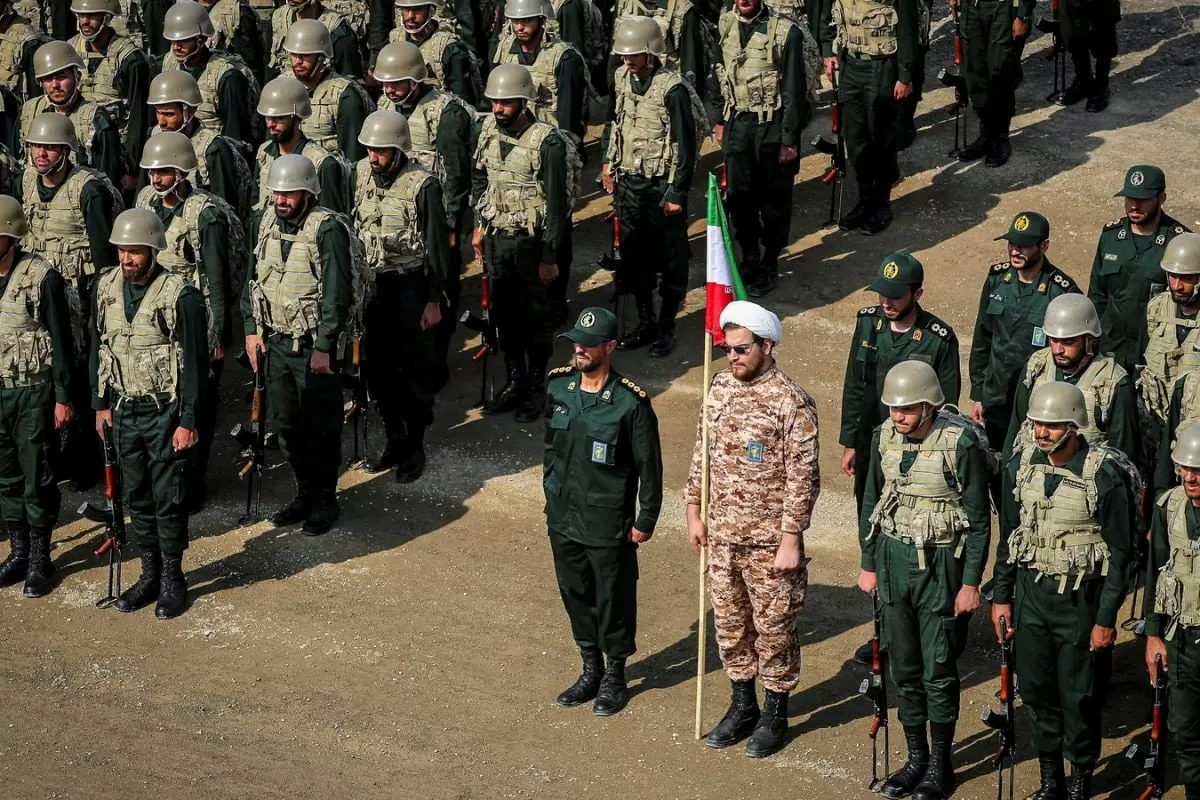
Iran has been under strict economic sanctions for decades, imposed by the United States and other countries due to its nuclear program and support for terrorist organizations. These sanctions have severely limited Iran’s access to the global financial system, making it difficult for the country to conduct international trade and receive foreign investments. However, despite these restrictions, Iran has managed to maintain a global shadow economy, allowing it to sustain its military operations and continue its activities.
The system that enables Iran to maintain this shadow economy is a complex network of informal money transfers and international front companies. These methods have been used by Iran to bypass the sanctions and continue its operations, despite the restrictions imposed by the international community.
One of the main ways Iran has been able to sustain its shadow economy is through informal money transfers. These transfers are made through a variety of channels, including hawala, an informal money transfer system that operates outside of traditional banking systems. Hawala is a centuries-old system that relies on trust and personal relationships between individuals to transfer money. This system is widely used in the Middle East and has been a crucial tool for Iran to move money around the world without being detected by the sanctions.
Another method used by Iran is the use of international front companies. These companies are set up in different countries and are used to conduct business on behalf of Iran. These front companies are often registered under false names and operate as legitimate businesses, making it difficult for authorities to trace their activities. These companies are used to import and export goods, transfer money, and even purchase weapons and other military equipment.
The use of front companies has also allowed Iran to evade the sanctions by creating a complex web of transactions that are difficult to track. For example, Iran can use a front company in a third country to purchase goods from a European company, which then sells the goods to another front company in a different country. This process can be repeated multiple times, making it challenging to trace the origin of the goods and the money.
Moreover, Iran has also been able to exploit loopholes in the sanctions to continue its activities. For instance, the sanctions do not apply to humanitarian aid, and Iran has used this to its advantage. The country has set up charities and non-governmental organizations (NGOs) that operate in conflict zones, providing aid and support to vulnerable populations. However, these organizations have also been used to fund terrorist groups and support Iran’s military operations.
The global shadow economy has allowed Iran to sustain its military operations and support its proxies in the region, such as Hezbollah in Lebanon and the Houthis in Yemen. These groups have been able to receive funding and weapons from Iran, despite the sanctions, allowing them to continue their destabilizing activities in the region.
Moreover, the shadow economy has also enabled Iran to continue its nuclear program, despite the restrictions. The country has been able to acquire the necessary materials and technology through front companies and informal money transfers, making it difficult for the international community to monitor and control its nuclear activities.
The system that allows Iran to maintain a global shadow economy is a significant challenge for the international community. It not only undermines the effectiveness of the sanctions but also poses a threat to global security. The continued support for terrorist organizations and the development of nuclear weapons by Iran can have severe consequences for the region and the world.
In conclusion, the global shadow economy has enabled Iran to bypass the economic sanctions and continue its activities, despite the restrictions imposed by the international community. The use of informal money transfers, international front companies, and exploiting loopholes in the sanctions has allowed Iran to sustain its military operations and support its proxies in the region. It is crucial for the international community to address this issue and find ways to prevent Iran from using these methods to evade the sanctions and continue its destabilizing activities.
