
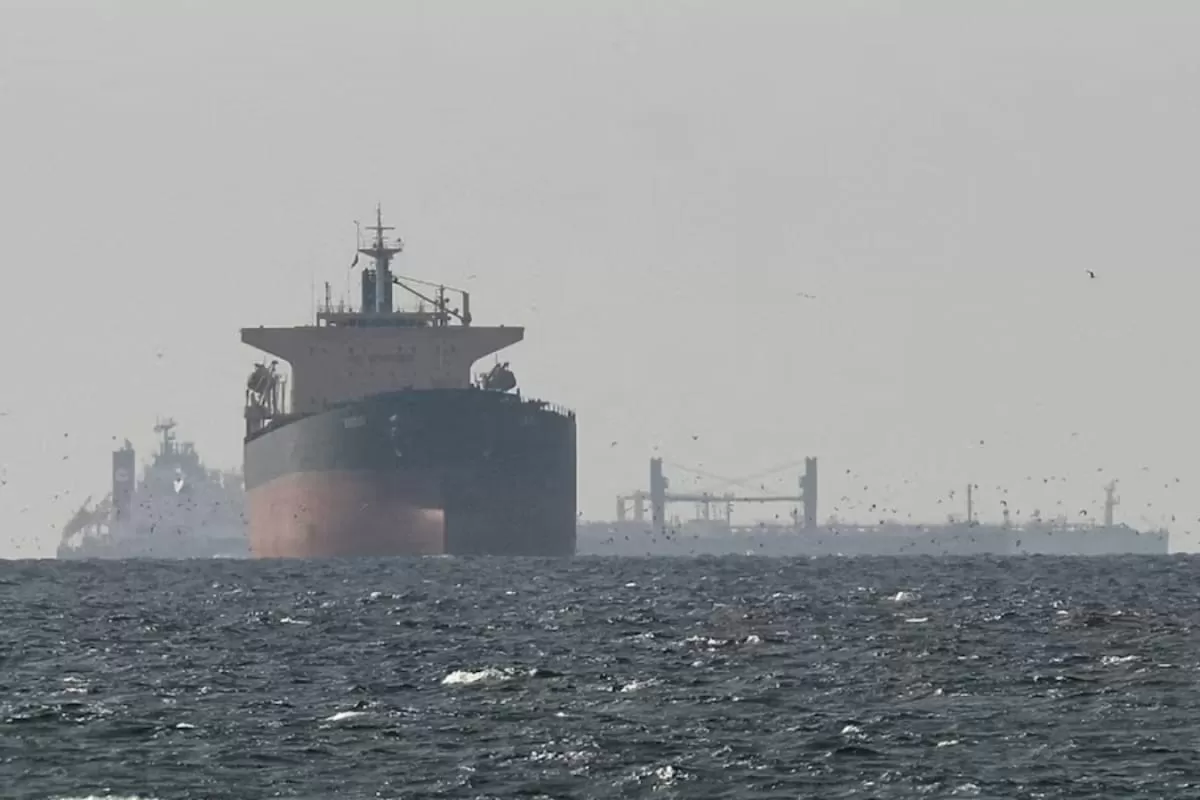
Safe navigation of tankers through the Hormuz was a key issue when External Affairs Minister Dr S Jaishankar spoke with Iran’s Foreign Minister Abbas Araghchi. The conversation between the two leaders highlighted the importance of maintaining peace and stability in the region, especially in the Strait of Hormuz, which is a crucial waterway for global trade.
The Strait of Hormuz, located between Iran and Oman, is a narrow passage that connects the Persian Gulf with the Gulf of Oman and the Arabian Sea. It is one of the busiest and most strategically important waterways in the world, with almost one-fifth of the world’s oil passing through it. This makes it a vital lifeline for the global economy, making the safe navigation of tankers through the Strait a top priority for all countries involved.
In recent years, there have been several incidents in the Strait of Hormuz that have raised concerns about the safety of navigation in the region. These incidents include attacks on oil tankers, seizure of ships, and the shooting down of a US drone by Iran. Such incidents not only pose a threat to the safety of the ships and their crew but also have the potential to disrupt the flow of oil and other goods, leading to a rise in global oil prices.
In light of these events, the conversation between Dr S Jaishankar and Abbas Araghchi holds great significance. The two leaders discussed the need for cooperation and coordination between India and Iran to ensure the safe passage of tankers through the Strait of Hormuz. They also emphasized the importance of respecting the freedom of navigation and the principles of international law.
India and Iran have a long-standing relationship, and both countries have a shared interest in maintaining peace and stability in the region. India is one of the largest importers of oil from Iran, and any disruption in the flow of oil through the Strait of Hormuz would have a significant impact on India’s economy. Therefore, it is in India’s best interest to work closely with Iran to address any challenges that may arise in the region.
During the conversation, Dr S Jaishankar also expressed India’s concerns about the safety of Indian crew members on board ships passing through the Strait of Hormuz. He urged Iran to take all necessary measures to ensure the safety and security of Indian nationals working on these ships. In response, Abbas Araghchi assured Dr S Jaishankar that Iran is committed to the safety and security of all ships passing through the Strait of Hormuz, including those with Indian crew members.
The conversation between the two leaders also touched upon the ongoing negotiations between Iran and the United States regarding the Joint Comprehensive Plan of Action (JCPOA). Dr S Jaishankar reiterated India’s support for the JCPOA and expressed hope that the negotiations would lead to a positive outcome. He also emphasized the need for all parties involved to engage in constructive dialogue and find a peaceful resolution to the issue.
The safe navigation of tankers through the Strait of Hormuz is not only crucial for India but also for the entire global community. Any disruption in the flow of oil through this waterway can have far-reaching consequences, affecting the economies of many countries. Therefore, it is essential for all countries to work together to ensure the safety and security of ships passing through the Strait.
In conclusion, the conversation between Dr S Jaishankar and Abbas Araghchi highlights the strong and friendly relations between India and Iran. It also reaffirms the commitment of both countries to work together towards maintaining peace and stability in the region. The safe navigation of tankers through the Strait of Hormuz is a shared responsibility, and it is heartening to see India and Iran taking proactive steps to address this issue. With continued cooperation and coordination, we can ensure the smooth and safe passage of ships through this vital waterway.
