
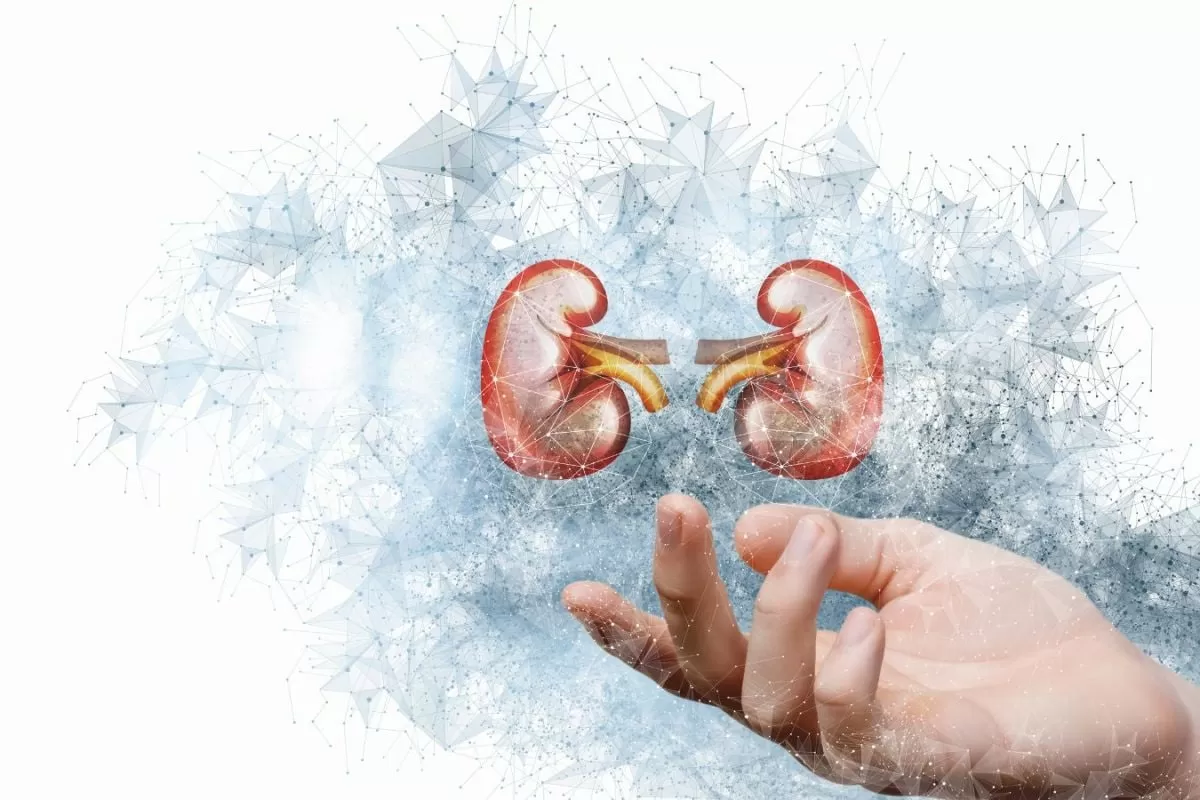
World Kidney Day is observed on the second Thursday of March every year and is dedicated to raising awareness about kidney health and the importance of early detection and prevention of kidney diseases. This year, as we celebrate World Kidney Day, let us take a moment to understand the silent progress of kidney disease, its warning signs, and the significance of early screening in preventing kidney failure.
Kidney disease, also known as renal disease, is a condition where the kidneys are unable to filter waste products and toxins from the blood effectively. This leads to a buildup of waste in the body, which can result in various health complications, including kidney failure. It is estimated that 10% of the global population is affected by chronic kidney disease (CKD), and millions die each year due to kidney failure.
One of the most challenging aspects of kidney disease is that it often progresses silently, without any noticeable symptoms in the early stages. This means that a person may have significant damage to their kidneys without even knowing it. In fact, by the time symptoms appear, the kidneys may have already suffered irreparable damage.
So, what are the warning signs of kidney disease that we should be aware of?
1. Changes in urination patterns: One of the earliest signs of kidney disease is changes in urination patterns. This can include changes in the color, frequency, and volume of urine. The urine may appear foamy or bubbly, or you may experience a sensation of burning or pain while urinating.
2. Swelling in the legs, ankles, or feet: Healthy kidneys remove excess fluid and waste from the body. When the kidneys are not functioning correctly, this excess fluid can build up, leading to swelling in the legs, ankles, or feet.
3. Fatigue and weakness: The kidneys play a crucial role in producing a hormone called erythropoietin, which stimulates the production of red blood cells. When the kidneys are not functioning correctly, the production of this hormone is affected, leading to anemia, resulting in fatigue and weakness.
4. Nausea and vomiting: The buildup of waste products in the body can cause nausea and vomiting. This usually happens due to a lack of appetite, which can be a side effect of kidney disease.
5. Difficulty concentrating: As the kidneys fail, toxins build up in the blood, which can affect brain function, leading to trouble concentrating and thinking clearly.
6. High blood pressure: Healthy kidneys play a crucial role in regulating blood pressure. When the kidneys are damaged, they cannot perform this function correctly, leading to high blood pressure.
If you experience any of the above symptoms, it is essential to consult your healthcare provider immediately. However, it is also vital to note that these symptoms are not specific to kidney disease and may be caused by other factors. That is why early screening is crucial to detect kidney disease and prevent its progression.
Early detection and prevention are the keys to managing kidney disease. Here are some ways to prevent kidney disease:
1. Get regular check-ups: It is essential to get regular check-ups and blood tests to monitor your kidney function, especially if you have a family history of kidney diseases or have other risk factors such as diabetes, high blood pressure, or obesity.
2. Adopt a healthy lifestyle: Eating a healthy diet, maintaining a healthy weight, and staying physically active can help lower your risk of developing kidney disease.
3. Drink plenty of water: Staying hydrated helps your kidneys to flush out toxins from the body effectively. It is recommended to drink at least eight glasses of water a day.
4. Quit smoking: Smoking significantly increases the risk of developing kidney disease. Quitting smoking can help prevent further damage to your kidneys.
5. Manage your blood sugar and blood pressure: High blood sugar and blood pressure can cause damage to the small blood vessels in the kidneys and impair their function. It is essential to keep these levels under control to prevent kidney disease.
By taking these simple steps, we can reduce our risk of developing kidney disease and prevent its progression. Early detection and prevention can help delay or even prevent the onset of kidney failure, which is a life-threatening condition.
On this World Kidney Day, let us pledge to take care of our kidneys and spread awareness about the importance of early screening and prevention. Let us encourage our loved ones and those around us to get regular check-ups and adopt a healthy lifestyle. Together, we can make a difference in the prevention and management of kidney disease.
In conclusion
