
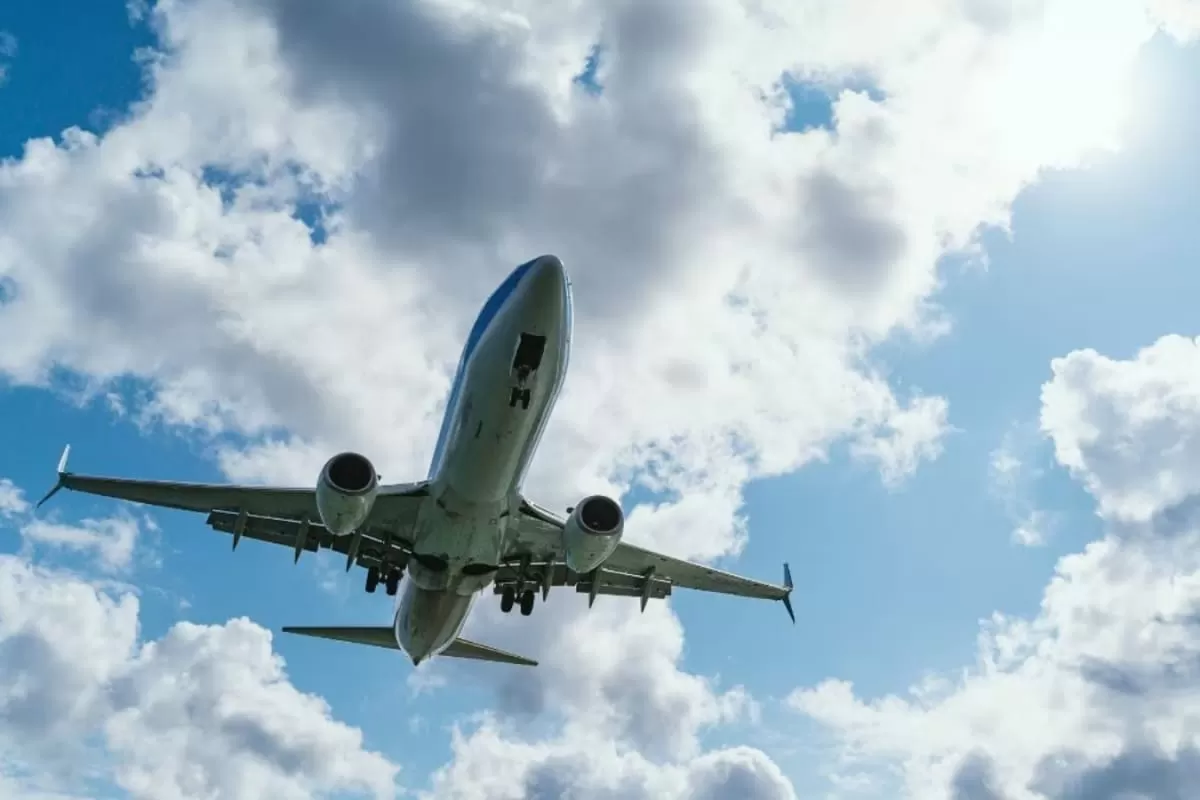
Travel across the Middle East is facing major disruptions as tensions between Iran and the United States continue to escalate. The recent conflict between the two nations has resulted in airlines being forced to reroute flights and has had a significant impact on tourism in the region.
The ongoing conflict between Iran and the US has caused a sense of unease and uncertainty in the Middle East. This has led to several airlines, including Emirates, Etihad, and Qatar Airways, rerouting their flights to avoid flying over Iranian airspace. This decision has not only affected the airlines but has also had a ripple effect on the entire travel industry in the region.
The rerouting of flights has resulted in longer travel times and increased costs for airlines. This, in turn, has led to an increase in airfare prices for travelers. The disruption of flights has also caused inconvenience for passengers, with many facing delays and cancellations. This has not only affected those traveling to and from the Middle East but has also impacted connecting flights to other destinations.
The impact of the conflict on the travel industry is not limited to just airlines. The tourism sector in the Middle East has also been significantly affected. The region is known for its rich history, diverse culture, and stunning landscapes, making it a popular tourist destination. However, the recent tensions have caused a decline in tourism, with many travelers choosing to avoid the region altogether.
The uncertainty and fear surrounding the conflict have led to a decrease in the number of tourists visiting countries such as Iran, Iraq, and the United Arab Emirates. This has had a significant impact on the local economies, as tourism is a major source of revenue for many countries in the Middle East. The decline in tourism has also resulted in job losses and a slowdown in economic growth.
The conflict has also affected the hospitality industry in the region. With fewer tourists, hotels and restaurants are experiencing a decline in business. This has forced many businesses to cut costs and even lay off employees, further adding to the economic impact of the conflict.
The escalation of the conflict has also raised concerns about the safety and security of travelers in the region. Many countries have issued travel advisories, warning their citizens to avoid non-essential travel to the Middle East. This has caused a sense of fear among travelers, leading to a decrease in the number of people willing to visit the region.
Despite the challenges and disruptions caused by the conflict, there is still hope for the travel industry in the Middle East. The region has shown resilience in the face of adversity before and is well-equipped to handle the current situation. Governments and tourism boards in the region are working together to reassure travelers that the region is safe and open for business.
In addition, airlines are constantly monitoring the situation and are ready to adjust their flight routes as needed. This will help minimize the impact on travelers and ensure their safety. The hospitality industry is also taking steps to attract tourists, with many hotels and restaurants offering discounts and special packages to entice visitors.
Moreover, the Middle East is home to some of the most breathtaking destinations in the world, and the conflict should not deter travelers from experiencing its beauty. From the ancient wonders of Egypt to the modern metropolis of Dubai, the region has something for every type of traveler. The warm hospitality and rich culture of the Middle East are still very much alive, and tourists can expect to be welcomed with open arms.
In conclusion, the conflict between Iran and the US has caused disruptions in the travel industry in the Middle East. However, with the resilience and determination of the region, the impact can be minimized. Travelers should not be discouraged from visiting the Middle East, as it continues to offer unique and unforgettable experiences. Let us all hope for a peaceful resolution to the conflict, and for the Middle East to once again thrive as a top tourist destination.
