
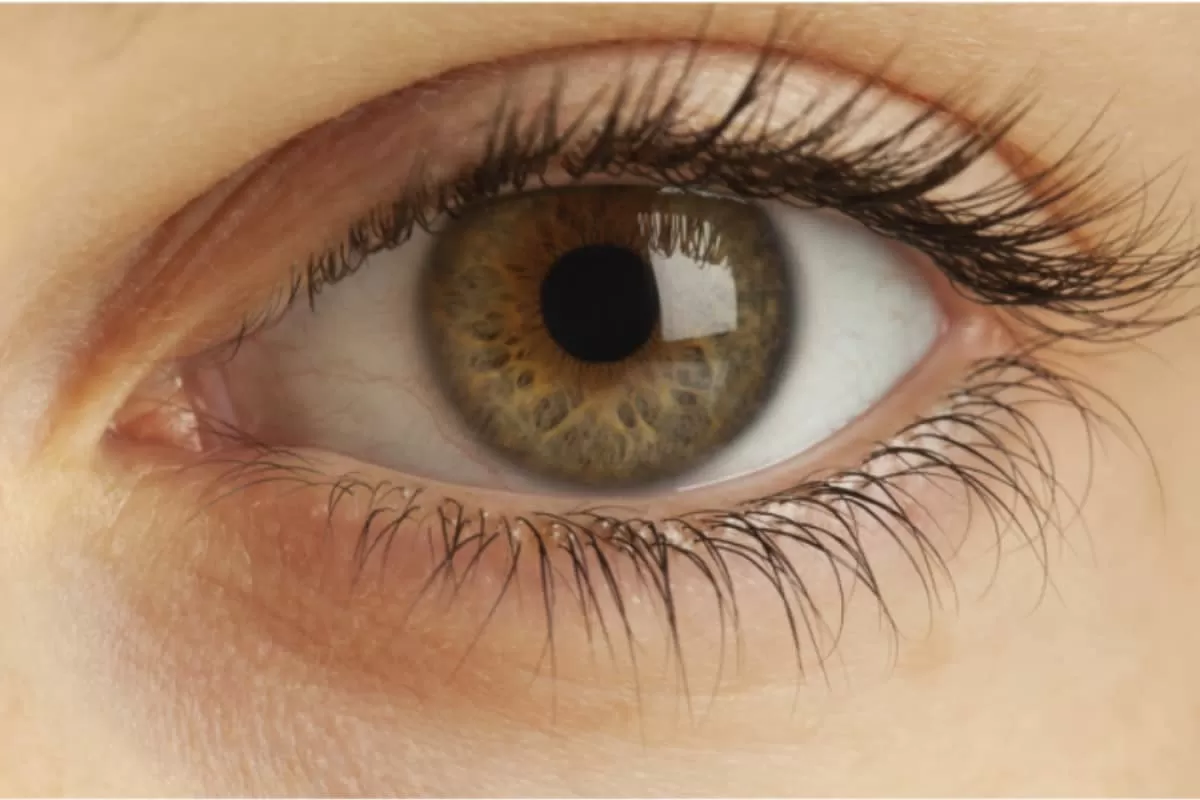
Vision loss caused by diabetes is a growing concern among younger Indians. According to experts, the lack of awareness and delayed screening for diabetic retinopathy are putting millions at risk of losing their vision. It is essential to understand the severity of this issue and take necessary steps to prevent vision loss caused by diabetes.
Diabetes, a chronic disease characterized by high blood sugar levels, has been on the rise in India over the past few decades. As per the International Diabetes Federation, India currently has the second-highest number of diabetic patients in the world, with an estimated 77 million people living with the disease. Unfortunately, this number is expected to increase to 134 million by 2045 if adequate measures are not taken.
One of the most significant complications of diabetes is diabetic retinopathy – a condition that damages the blood vessels in the retina, leading to vision loss. This condition can affect anyone with diabetes, regardless of age or type of diabetes. However, recent reports suggest that younger Indians are increasingly becoming vulnerable to this condition.
Several factors contribute to the rise of diabetic retinopathy among younger Indians. One of the main reasons is the lack of awareness about the disease and its potential consequences. Many people are not aware that diabetes can lead to vision loss, and this lack of knowledge often results in delayed diagnosis and treatment. This is particularly alarming as early detection and management of diabetic retinopathy can prevent or delay its progression and preserve eyesight.
Delayed screening for diabetic retinopathy is another significant issue that needs to be addressed. Experts suggest that people with diabetes should undergo regular eye check-ups, at least once every year, to detect any signs of retinal damage. However, due to various reasons like financial constraints, lack of time, or even fear of the test results, many people tend to skip these routine screenings. This negligence can have severe consequences, leading to vision loss that could have otherwise been prevented.
The impact of diabetic retinopathy on individuals and society is significant. Vision loss caused by this condition can affect a person’s daily life, making it challenging to perform routine activities. It can also lead to decreased productivity, loss of income, and increased healthcare expenses, all of which can have a significant impact on the individual’s quality of life. Moreover, if left untreated, diabetic retinopathy can lead to complete blindness, which is irreversible.
Experts warn that the increasing incidence of diabetic retinopathy among younger Indians is a cause for concern and requires immediate action. The first step towards preventing this condition is to create awareness about the link between diabetes and vision loss. People with diabetes should be educated about the importance of regular eye check-ups and the need for early detection and management. This can be done through various initiatives like awareness campaigns, free eye check-ups, and educational programs.
Apart from creating awareness, there is also a need to improve access to eye care services in the country. Many people living in rural areas do not have easy access to eye care facilities, making it challenging to get timely screenings and treatment. The government, in collaboration with healthcare organizations, can work towards setting up eye care centers in these areas and providing affordable or free services to those in need.
The role of technology in early detection of diabetic retinopathy cannot be overlooked. With advancements in the field of telemedicine, it is now possible to conduct eye screenings remotely, making it easier for people to get their eyes checked, even from the comfort of their homes. Government and healthcare organizations can leverage these technologies to reach out to a larger population and provide prompt diagnosis and treatment.
In conclusion, the rise in vision loss caused by diabetes among younger Indians is a worrisome trend that needs to be addressed urgently. It is crucial to create awareness about the disease and its potential consequences, promote regular eye check-ups, and improve access to eye care services. By taking these steps, we can prevent millions of people from losing their vision and ensure a better quality of life for all. Let us work together towards a healthier and brighter future for our nation.
