
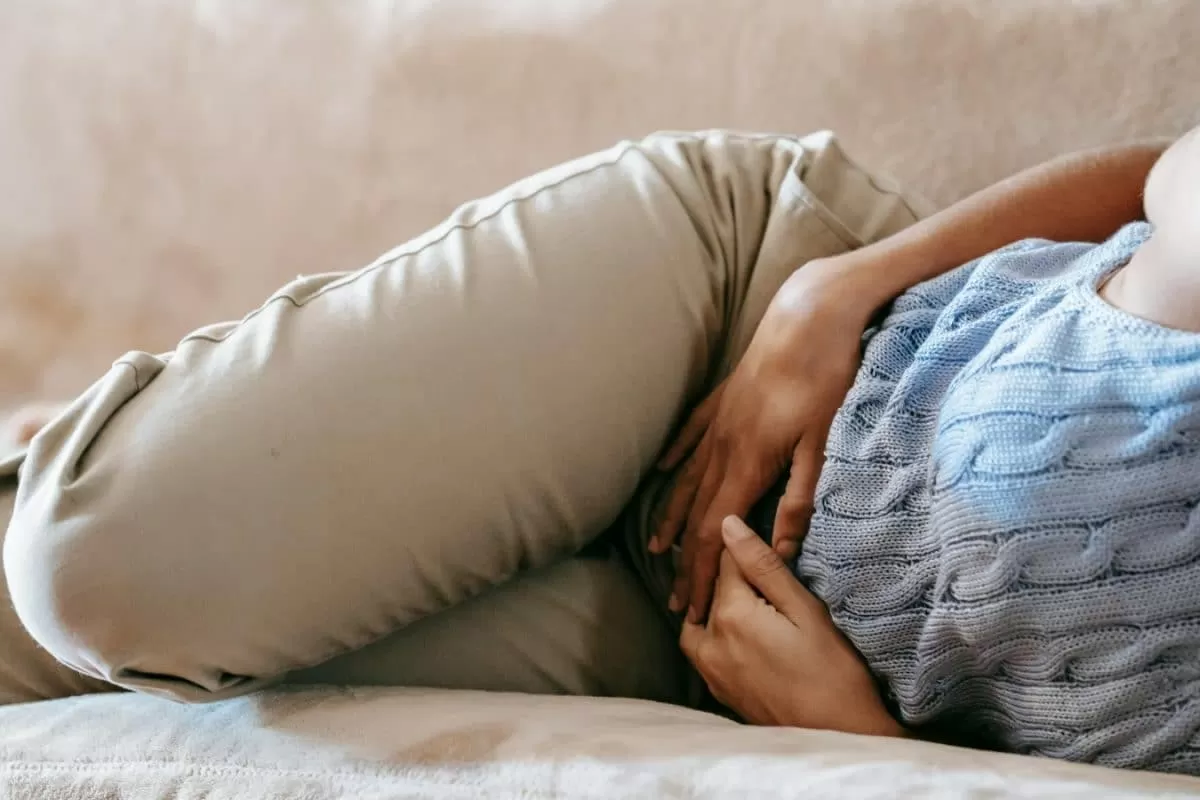
Severe Period Pain: A Possible Sign of Endometriosis
For most women, experiencing some level of discomfort or pain during their menstrual cycle is a normal part of life. However, for some women, their period pain can be so severe that it disrupts their daily activities and affects their overall quality of life. This could be an indication of a more serious condition known as endometriosis.
Endometriosis is a chronic condition where the tissue that normally lines the inside of the uterus grows outside of it, causing inflammation, scarring, and sometimes severe pain. According to the Endometriosis Foundation of America, an estimated 1 in 10 women of reproductive age suffer from this condition, making it one of the most common gynecological disorders. Despite its prevalence, endometriosis is often misdiagnosed or overlooked, leaving women to suffer in silence.
To shed light on this often misunderstood condition, we spoke to medical professionals who shared their insights on lifestyle tips, treatments, and warning signs that women should not ignore.
Lifestyle Tips for Managing Endometriosis
While there is no known cure for endometriosis, there are various lifestyle changes that women can adopt to help manage their symptoms and improve their overall well-being.
1. Exercise Regularly: Endometriosis can be exacerbated by inflammation, which can be reduced through regular exercise. Low-impact activities such as yoga, swimming, and walking can help alleviate pain and discomfort.
2. Maintain a Healthy Diet: Eating a well-balanced diet rich in fruits, vegetables, and whole grains can help reduce inflammation and boost the immune system. Avoiding processed foods, alcohol, and caffeine may also help manage symptoms.
3. Practice Stress Management: Chronic stress can worsen endometriosis symptoms. Finding ways to manage stress, such as through meditation, deep breathing, or therapy, can help improve overall well-being.
4. Get Enough Sleep: Adequate rest is crucial for managing endometriosis symptoms. Getting enough sleep can help reduce pain and inflammation and improve mood and energy levels.
5. Consider Alternative Therapies: Some women find relief from endometriosis symptoms through alternative therapies such as acupuncture, massage, or herbal remedies. It is important to consult with a healthcare professional before trying any alternative treatments.
Treatments for Endometriosis
While lifestyle changes can help manage symptoms, there are also medical treatments available for endometriosis. These treatments aim to reduce pain, inflammation, and the growth of endometrial tissue.
1. Pain Medications: Over-the-counter pain relievers such as ibuprofen or naproxen can help alleviate menstrual cramps associated with endometriosis.
2. Hormonal Therapy: This treatment aims to regulate the hormones responsible for the growth of endometrial tissue. Options include birth control pills, hormonal IUDs, or hormone injections.
3. Surgery: In severe cases, surgery may be necessary to remove endometrial tissue or scar tissue that is causing pain and discomfort.
4. Fertility Treatment: Endometriosis can affect fertility in some women. In vitro fertilization (IVF) or other fertility treatments may be recommended for those who are struggling to conceive.
Warning Signs of Endometriosis
As with any medical condition, early detection and treatment can make a significant difference in managing endometriosis. However, many women may dismiss their symptoms as normal period pain or may not experience any symptoms at all. It is essential to pay attention to your body and seek medical help if you experience any of the following warning signs:
1. Severe or Chronic Pelvic Pain: This is the most common symptom of endometriosis and is often described as a sharp, stabbing pain that can occur before, during, or after menstruation.
2. Painful Intercourse: Endometriosis can cause discomfort or pain during sexual intercourse.
3. Heavy or Irregular Menstruation: Women with endometriosis may experience heavy bleeding or irregular periods.
4. Gastrointestinal Issues: Endometrial tissue can sometimes grow on the intestines, causing symptoms such as bloating, constipation, or diarrhea.
5. Fatigue and Mood Changes: Chronic pain can take a toll on a person’s physical and emotional well-being, leading to fatigue, anxiety, or depression.
Take Action, Seek Help
If you suspect that you may have endometriosis,
