
Eid ul-Fitr, also known as the Festival of Breaking the Fast, is a joyous and highly anticipated celebration for Muslims all around the world. It marks the end of the holy month of Ramadan, a time of spiritual reflection, self-discipline, and increased devotion to God. Eid ul-Fitr is a time of great happiness and gratitude, as Muslims come together to celebrate the completion of their month-long fast and the blessings bestowed upon them by Allah.
The month of Ramadan is a time of sacrifice and self-restraint, where Muslims abstain from food, drink, and other worldly pleasures from sunrise to sunset. It is a time to purify the soul, strengthen one’s faith, and seek forgiveness for past sins. As the month comes to an end, Muslims eagerly await the sighting of the new moon, which marks the beginning of Eid ul-Fitr.
On the morning of Eid, Muslims wake up before dawn to perform their morning prayers, known as Salat ul-Fajr. After this, they take a bath and put on their best clothes, often new and traditional attire, to attend the special Eid prayer, known as Salat ul-Eid. This prayer is usually held in an open field or a large mosque, where the entire community comes together to offer their thanks and praise to Allah.
The Eid prayer is followed by a sermon, where the imam reminds the congregation of the importance of gratitude, generosity, and unity in Islam. It is a time to reflect on the blessings of Allah and to be grateful for all that He has provided. The sermon also serves as a reminder to continue the good deeds and practices adopted during Ramadan throughout the year.
After the prayer and sermon, the real festivities begin. Families and friends gather to exchange greetings of “Eid Mubarak” and embrace each other with love and warmth. Children are often given gifts and sweets, and everyone is dressed in their finest attire. The atmosphere is filled with joy, laughter, and a sense of togetherness.
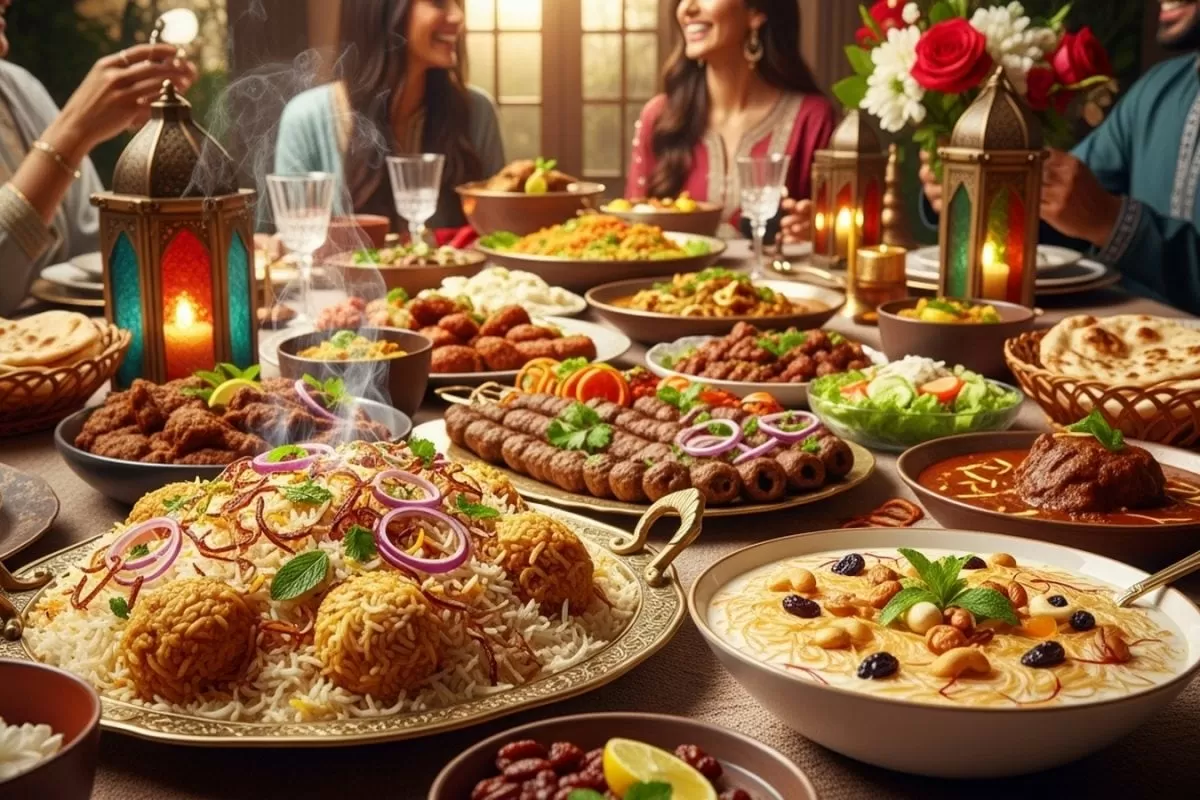
One of the most significant aspects of Eid ul-Fitr is the communal feasting. After a month of fasting, it is a time to indulge in delicious food and drinks with loved ones. Traditional dishes such as biryani, kebabs, and sweet treats like sheer khurma are prepared and shared among family, friends, and neighbors. It is a time to spread love, happiness, and generosity by inviting others to join in the celebrations and sharing the blessings of Allah.
Eid ul-Fitr is not just a celebration for Muslims, but it is also a time to reach out to those in need. It is a time to remember the less fortunate and to share our blessings with them. Many Muslims choose to give Zakat, a form of charity, during Eid ul-Fitr, as it is believed to purify one’s wealth and bring blessings from Allah.
The spirit of Eid ul-Fitr is not limited to just one day. It continues for three days, during which people visit their relatives and friends, exchange gifts, and continue to feast and celebrate. It is a time to strengthen bonds and foster a sense of community and brotherhood.
In many countries, Eid ul-Fitr is declared a national holiday, allowing Muslims to fully immerse themselves in the celebrations. The streets are decorated with lights and colorful banners, and the air is filled with the sound of joyous Eid greetings. It is a beautiful sight to see people from different backgrounds and cultures coming together to celebrate this special occasion.
In conclusion, Eid ul-Fitr is a joyous and meaningful celebration that marks the end of the holy month of Ramadan. It is a time to express gratitude, spread love and happiness, and strengthen bonds with family, friends, and the community. As we bid farewell to Ramadan and welcome Eid ul-Fitr, let us remember to continue the spirit of this blessed month throughout the year and strive to be better versions of ourselves. Eid Mubarak to all!
