
Chaitra Navratri, also known as Vasant Navratri, is a nine-day festival celebrated in the Hindu month of Chaitra (March-April). It is a time of great significance for Hindus as it marks the beginning of the Hindu New Year and is dedicated to Goddess Durga, the embodiment of feminine power and strength. This festival is celebrated with great fervor and devotion all over India, and it is a time for fasting, prayer, and spiritual renewal.
The word ‘Navratri’ is derived from Sanskrit, where ‘Nav’ means nine and ‘Ratri’ means night. As the name suggests, this festival is celebrated for nine consecutive nights and ten days, with each day dedicated to a different form of Goddess Durga. The festival culminates on the tenth day, which is known as ‘Ram Navami’, the birth anniversary of Lord Rama, an incarnation of Lord Vishnu.
The festival of Chaitra Navratri holds immense significance in Hindu mythology. According to the legend, Goddess Durga emerged from the cosmic energies of the three main Hindu deities – Brahma, Vishnu, and Shiva – to defeat the demon Mahishasura, who had been terrorizing the gods and humans. The nine days of Navratri symbolize the nine forms of Goddess Durga, and each day is dedicated to one of her avatars.
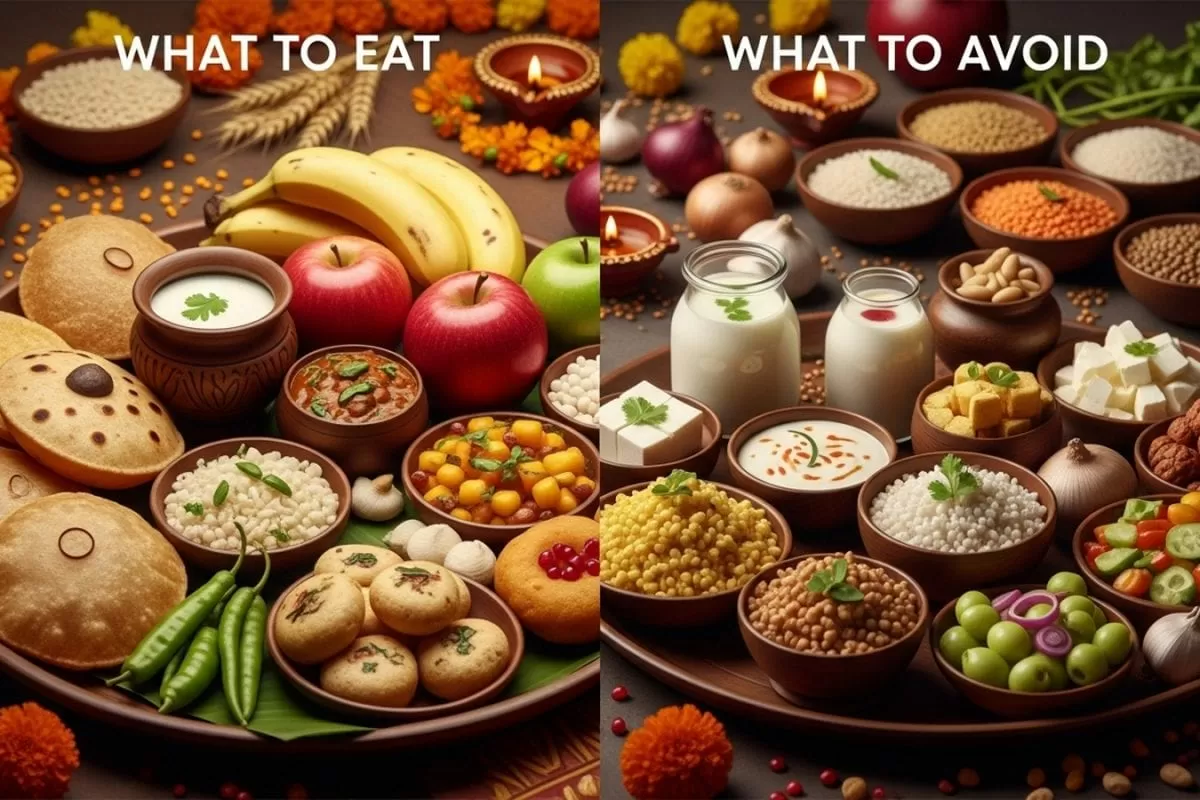
During these nine days, devotees observe fasts, abstain from consuming alcohol and non-vegetarian food, and engage in various rituals and prayers to seek the blessings of Goddess Durga. The fasts are believed to purify the mind, body, and soul and help in achieving spiritual growth. It is also a time for self-reflection and introspection, where one can let go of negative thoughts and emotions and focus on positive energy and devotion towards the Goddess.
One of the most significant aspects of Chaitra Navratri is the ‘Durga Puja’, which is performed with great enthusiasm and devotion. The puja involves elaborate rituals, including the recitation of mantras, offering of flowers, fruits, and sweets, and the lighting of lamps. The puja is usually performed in the morning and evening, and devotees visit temples to offer their prayers and seek blessings from the Goddess.
Apart from the religious significance, Chaitra Navratri is also a time for cultural celebrations. In many parts of India, people come together to perform traditional folk dances like Garba and Dandiya, which are a symbol of joy and celebration. These dances are performed in honor of Goddess Durga and are a way to express gratitude and devotion towards her.
Chaitra Navratri is not just a festival; it is a time for spiritual rejuvenation and renewal. It is a time to let go of the past and embrace the present with positivity and devotion. The festival teaches us the importance of inner strength and the power of faith in overcoming obstacles and challenges in life. It is a reminder that good always triumphs over evil and that the Goddess is always there to protect and guide us.
In today’s fast-paced world, where stress and anxiety have become a part of our daily lives, Chaitra Navratri provides us with an opportunity to take a break from our hectic schedules and focus on our spiritual well-being. It is a time to connect with our inner selves and seek the blessings of the Goddess for a happy and prosperous life.
In conclusion, Chaitra Navratri is a festival that celebrates the victory of good over evil and the power of feminine energy. It is a time for fasting, devotion, and spiritual renewal, and it holds immense significance in the Hindu culture. Let us all come together and celebrate this auspicious festival with joy, love, and devotion towards Goddess Durga. May her blessings bring peace, prosperity, and happiness in our lives. Jai Mata Di!
