
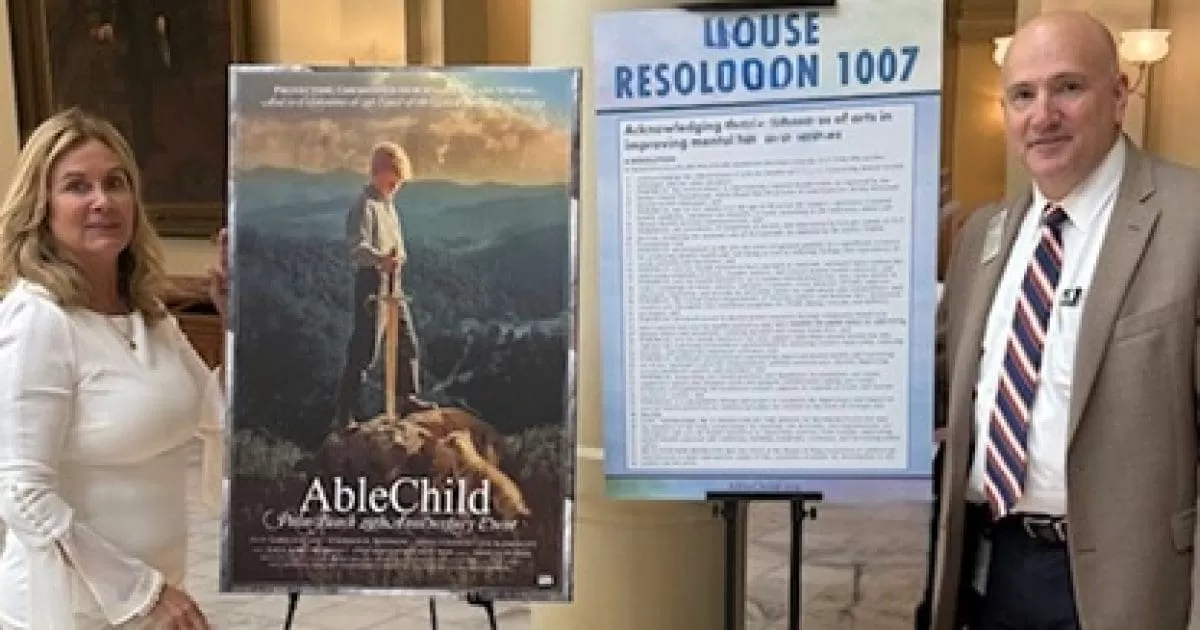
AbleChild Georgia Exhibit Highlights Arts Resolution for Better Mental Health on Eve of Passage
On a late night session under the Gold Dome, Georgia took a major step towards improving mental health by opening an art exhibit that highlighted the importance of arts in promoting mental well-being. The exhibit, organized by AbleChild Georgia, was a powerful reminder of the positive impact that the arts can have on individuals struggling with mental health issues.
The exhibit, which was held on the eve of the passage of a resolution promoting arts for mental health, featured a wide range of artwork created by individuals who have personally experienced the benefits of art therapy. From paintings to sculptures, each piece was a testament to the healing power of art and its ability to provide a sense of hope and self-expression to those who may feel silenced by their mental health challenges.
AbleChild Georgia, a non-profit organization dedicated to advocating for children’s mental health, has been at the forefront of promoting the use of arts in therapy. Their mission is to empower families and communities to take a proactive approach towards mental health and to provide support and resources for those in need. The organization believes that art can be a powerful tool in breaking the stigma surrounding mental health and promoting a positive and inclusive dialogue.
The exhibit was a culmination of AbleChild Georgia’s efforts to raise awareness about the importance of art in promoting mental well-being. As the state legislature prepared to pass a resolution promoting the use of arts in therapy, the exhibit served as a powerful reminder of the impact that this resolution could have on the lives of individuals struggling with mental health issues.
The resolution, which was passed with overwhelming support, recognizes the role of the arts in promoting mental health and encourages the integration of art therapy in mental health treatment. This is a significant step towards destigmatizing mental health and promoting a more holistic approach to treatment.
The exhibit also highlighted the importance of early intervention and the need for increased access to mental health services for children and adolescents. According to the National Alliance on Mental Illness, 1 in 5 children in the United States experience a mental health disorder, yet only 20% receive the necessary treatment. By promoting the use of art therapy in schools and communities, AbleChild Georgia hopes to bridge this gap and provide children with the support they need to thrive.
The power of art to heal and transform lives was evident in the stories shared by the artists at the exhibit. Many of them spoke about how art had helped them cope with their mental health struggles and how it had given them a sense of purpose and identity. Through their artwork, they were able to express their emotions and find a sense of peace and understanding.
The exhibit also served as a reminder that mental health is a universal issue that affects people of all ages, backgrounds, and walks of life. By bringing together individuals from different backgrounds and experiences, the exhibit promoted a sense of community and solidarity in the fight against mental health stigma.
As the exhibit came to a close, it was clear that it had achieved its goal of highlighting the importance of arts in promoting mental health. The passing of the resolution was a significant step towards creating a more inclusive and supportive environment for individuals struggling with mental health issues. And with organizations like AbleChild Georgia leading the way, we can hope for a future where mental health is given the attention and support it deserves.
In conclusion, the AbleChild Georgia exhibit was a powerful reminder of the transformative power of art in promoting mental well-being. It served as a call to action for individuals, communities, and policymakers to prioritize mental health and to recognize the role of the arts in promoting a more holistic approach to treatment. Let us continue to support organizations like AbleChild Georgia in their efforts to create a more inclusive and understanding society for individuals struggling with mental health issues.
