
In recent years, the Netherlands has become a beacon of hope for many LGBTQ individuals seeking asylum. With its progressive laws and acceptance of the LGBTQ community, it has become a safe haven for those who face persecution and discrimination in their home countries. However, a recent report has shed light on a concerning trend – the rejection of LGBTQ Americans seeking asylum in the Netherlands.
According to Dutch reports, a total of 76 applications for asylum were filed by Americans in 2025. These individuals, who identify as LGBTQ, were forced to flee their own country due to fear of persecution and violence. It is a heartbreaking reality that in the 21st century, people still have to leave their homes and loved ones in search of safety and acceptance.
The Netherlands has long been known for its progressive stance on LGBTQ rights. In 2001, it became the first country in the world to legalize same-sex marriage. Since then, it has continued to pass laws and policies that protect and promote the rights of the LGBTQ community. This has made it a popular destination for those seeking refuge from countries where being LGBTQ is still considered a crime.
However, the recent rejection of LGBTQ Americans seeking asylum in the Netherlands has raised concerns about the country’s commitment to its values of inclusivity and acceptance. The Dutch government has not provided a clear explanation for the rejections, leaving many to speculate about the reasons behind it.
One possible explanation could be the strict criteria for asylum in the Netherlands. In order to be granted asylum, an individual must prove that they face a well-founded fear of persecution in their home country due to their race, religion, nationality, political opinion, or membership in a particular social group. While being LGBTQ is recognized as a social group, it is not explicitly mentioned in the criteria. This could be a loophole that is being used to deny LGBTQ individuals the protection they seek.
Another factor could be the lack of understanding and awareness about the unique challenges faced by LGBTQ individuals. Many asylum officers may not be trained to properly assess the claims of LGBTQ applicants, leading to misunderstandings and incorrect decisions. This highlights the need for better education and training for those involved in the asylum process.
The rejection of LGBTQ Americans seeking asylum in the Netherlands is not only a blow to their hopes for a better life, but it also goes against the values of the country. The Netherlands has always prided itself on its commitment to human rights and equality, and it must continue to uphold these values for all individuals, regardless of their nationality.
It is also important to note that the rejection of LGBTQ asylum seekers is not unique to the Netherlands. Many other countries, including the United States, have also faced criticism for their handling of LGBTQ asylum cases. This highlights the need for a global effort to protect and support LGBTQ individuals who are forced to flee their homes.
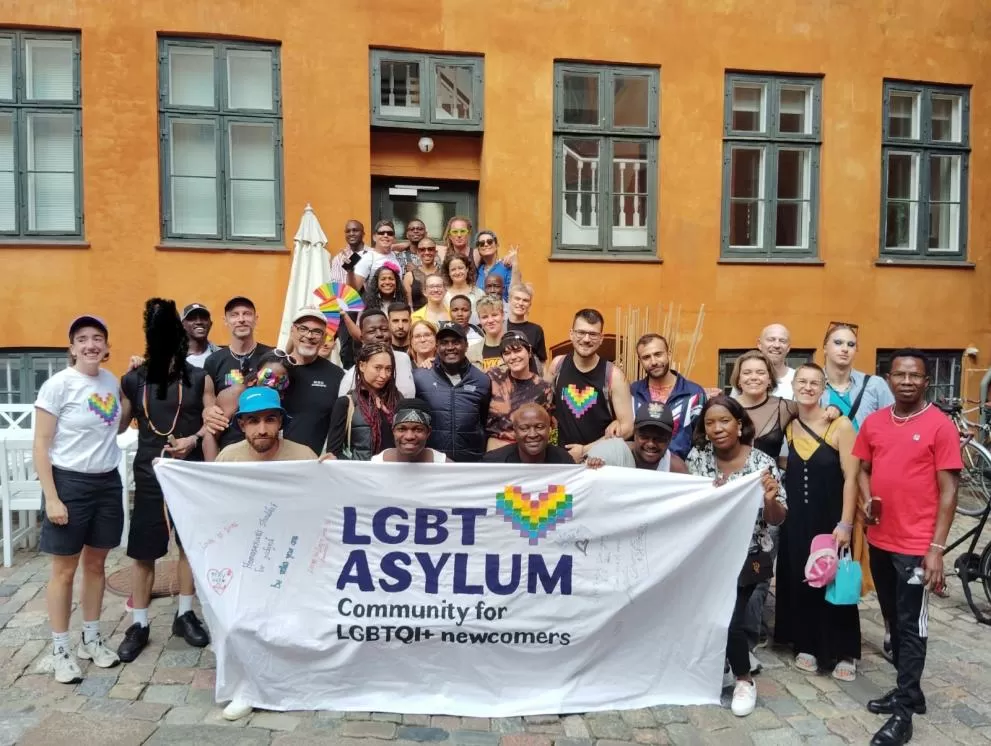
In the face of these challenges, it is heartening to see the Dutch LGBTQ community and their allies standing in solidarity with those seeking asylum. Organizations such as COC Netherlands and LGBT Asylum Support have been working tirelessly to provide support and resources to LGBTQ asylum seekers. Their efforts are a testament to the compassion and inclusivity of the Dutch people.
As we move forward, it is crucial for the Dutch government to address the issue of LGBTQ asylum rejections and take steps to ensure that the country remains a safe haven for all individuals seeking refuge. This includes providing proper training for asylum officers, reviewing the criteria for asylum, and creating a more inclusive and understanding environment for LGBTQ individuals.
In conclusion, the rejection of LGBTQ Americans seeking asylum in the Netherlands is a concerning trend that must be addressed. It goes against the values of inclusivity and acceptance that the country is known for, and it is a disheartening reality for those who have fled their homes in search of safety and freedom. It is our collective responsibility to stand up for the rights of LGBTQ individuals and ensure that they are given the protection and support they deserve. Let us continue to work towards a world where no one has to live in fear because of who they are.
