
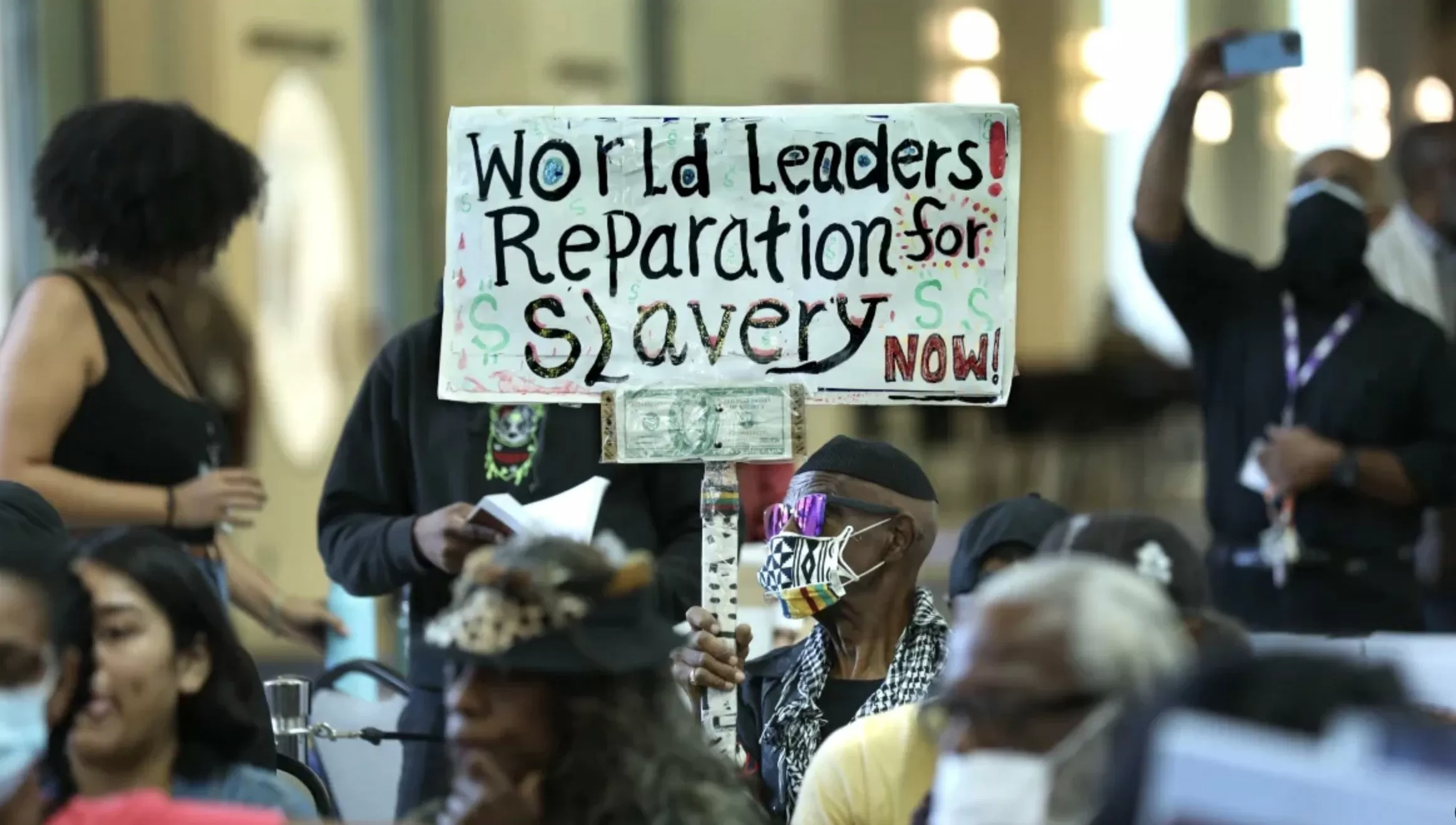
In recent years, the state of Maryland made a groundbreaking decision to legalize the sale of marijuana. However, what sets them apart from other states is that they also established a reparations fund, where a portion of the sales would go towards various social programs. This move was seen as a step towards addressing the systemic inequalities and injustices faced by marginalized communities. However, despite the noble intentions behind this fund, it has been embroiled in a legal battle, delaying its implementation.
The reparations fund, which was created in Baltimore, has a whopping $35 million allocated to it. The aim of this fund is to provide financial support for programs that would benefit the African American community, who have been disproportionately affected by the war on drugs. This includes initiatives such as job training, education, and affordable housing. It was a bold move by the state to acknowledge the harm caused by the criminalization of marijuana and take responsibility for it.
However, the fund has yet to fulfill its purpose as it has been caught in a power struggle between different groups. The delay in its implementation has caused frustration and disappointment among the community members who were eagerly waiting for the promised support. The question on everyone’s mind is, why has the money not been paid out yet?
The answer lies in the complex legal battle surrounding the fund. The city of Baltimore, where the fund was created, is currently facing a lawsuit from a group of activists who claim that the city is not doing enough to ensure that the fund is used for its intended purpose. They argue that the city has not taken any concrete steps to allocate the funds and that the money is being held up by bureaucratic red tape and political interests.
On the other hand, the city officials argue that they are working towards implementing the fund but are facing challenges due to the ongoing lawsuit. They claim that they are committed to using the funds for the betterment of the community, but they need to follow the legal process to avoid any potential misuse of the money.
While the legal battle continues, the community members who were supposed to benefit from the fund are left in limbo. They are the ones who have been disproportionately affected by the criminalization of marijuana, and they are the ones who are suffering the most while the fund remains unused. It is a frustrating and disheartening situation for them, as they see the promised support slipping away.
However, despite the setbacks, there is still hope for the reparations fund. Recently, a judge ruled in favor of the activists, stating that the city must take immediate action to implement the fund. This decision has brought a glimmer of hope for the community members who have been waiting for justice and support for far too long.
The ruling has also sparked a renewed sense of determination among the activists who have been fighting for the fund’s implementation. They see this as a small victory and a step towards achieving their ultimate goal of using the fund to uplift their community.
It is essential to remember that the reparations fund was created with a noble intention – to address the injustices faced by the African American community. It is a symbol of the state’s acknowledgment of the harm caused by the war on drugs and its commitment to rectify it. The delay in its implementation may be disheartening, but it should not overshadow the significance of this fund.
In conclusion, the $35 million reparations fund in Baltimore is a beacon of hope for the African American community. It is a step towards addressing the systemic inequalities and injustices faced by them. While the legal battle continues, it is crucial to remember the fund’s purpose and remain optimistic that it will be implemented soon. The community members deserve the support promised to them, and it is the responsibility of the city to ensure that the fund is used for its intended purpose. Let us hope that the legal hurdles are overcome, and the reparations fund can finally fulfill its purpose of bringing positive change to the lives of those who have been marginalized for far too long.
