
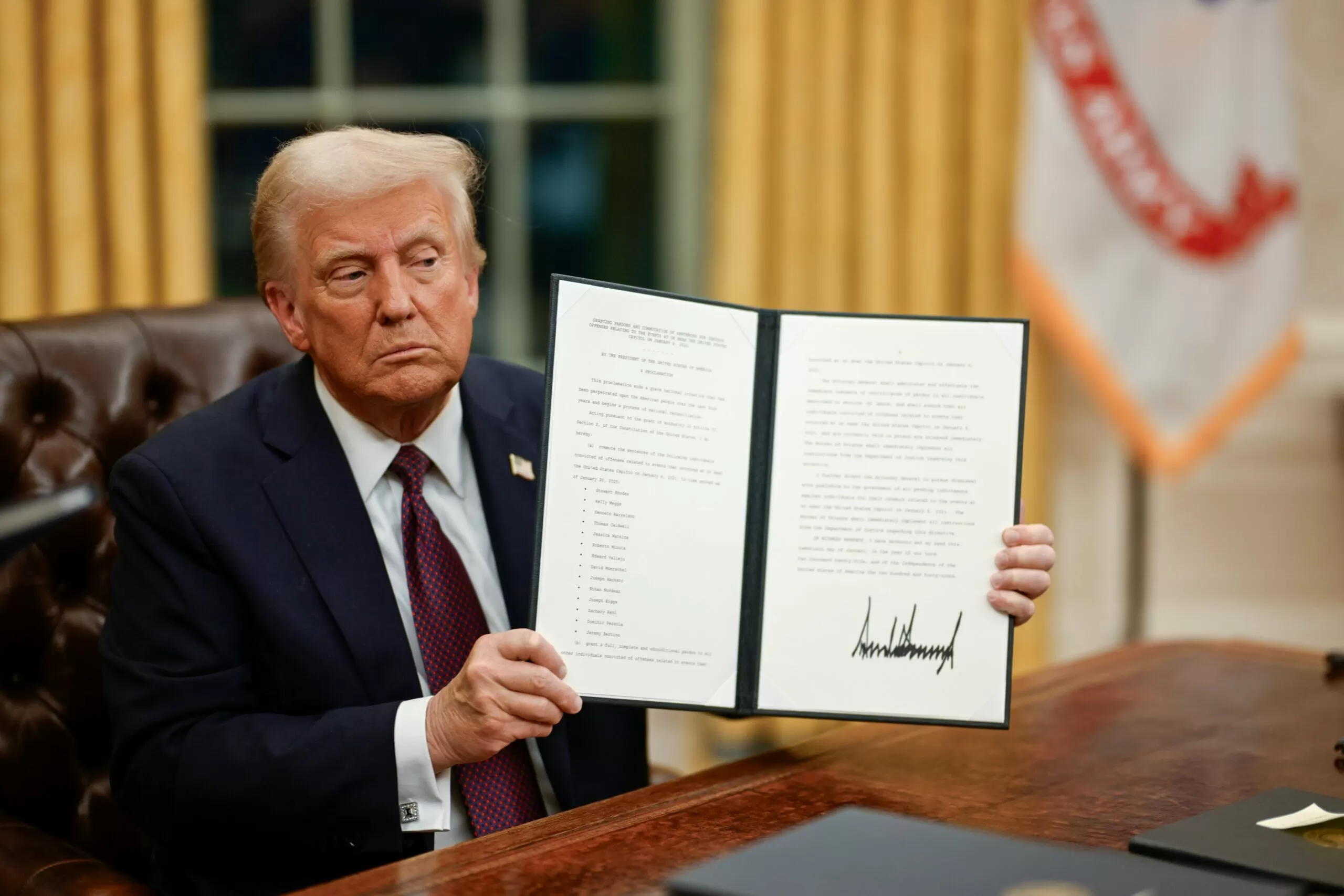
President Donald Trump is making waves once again with his bold decision to sign an executive order to dismantle the Department of Education. This move has been long-awaited by his supporters and is seen as a major step towards fulfilling one of his key campaign promises.
The Department of Education, which was established in 1979, has been a controversial topic for many years. Critics argue that it has become bloated and ineffective, with too much federal oversight and interference in state education policies. On the other hand, supporters believe that the department is necessary to ensure equal access to education for all students.
With this executive order, President Trump is taking a stand against the bureaucratic stronghold of the Department of Education and aiming to give more power back to the states. This move aligns with his overall goal of reducing the size and power of the federal government.
The president’s decision has sparked a heated debate, with some praising his boldness and others expressing concerns about the potential consequences. However, one thing is clear – this move will have a significant impact on education policy and governance in the United States.
The president’s supporters are hailing this executive order as a major victory. They believe that it will lead to more localized control of education, allowing states to tailor their policies to better meet the needs of their students. This, in turn, will promote innovation and competition among states, ultimately leading to better education outcomes for students.
Additionally, the dismantling of the Department of Education will also save taxpayers billions of dollars. With less federal bureaucracy, there will be fewer unnecessary expenses and a more efficient use of resources. This will allow for more funding to be allocated directly to schools and classrooms, benefiting students and teachers alike.
Critics, however, are expressing concerns about the potential consequences of this move. They fear that without federal oversight, there could be a lack of accountability and oversight in education policies. They also worry that this could lead to a widening achievement gap between states, with some having better resources and opportunities than others.
Moreover, there are concerns about the impact on students with disabilities and those from low-income families. The Department of Education plays a crucial role in ensuring that these students have equal access to education and services. Without this oversight, there are fears that these students may suffer.
Despite these concerns, President Trump’s executive order has the potential to bring about much-needed change in the education system. It will allow for more flexibility and innovation at the state level, while also reducing the burden on taxpayers.
Furthermore, it is important to note that the dismantling of the Department of Education does not mean the end of federal education programs. These programs will still exist, but they will be managed by other government agencies, such as the Department of Health and Human Services.
President Trump’s decision to sign this executive order sends a clear message that he is committed to fulfilling his promises and shaking up the status quo. This move is in line with his overall vision of putting America first and empowering states to make their own decisions.
In conclusion, President Trump’s decision to sign an executive order to dismantle the Department of Education is a bold and decisive move. While it has sparked debate and concerns, it has the potential to bring about positive changes in the education system. With more localized control and less federal bureaucracy, we can hope for a more efficient and effective education system that will benefit students, teachers, and taxpayers alike.
