
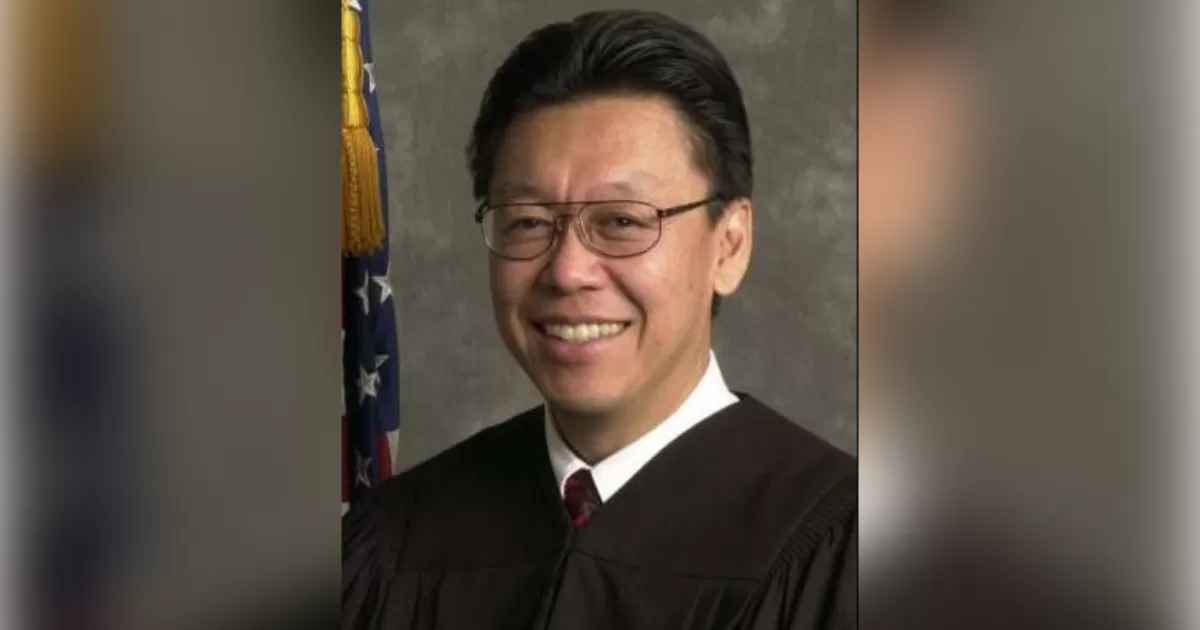
A recent ruling by Federal Judge Edward Chan from San Francisco has sparked significant debate and discussion about immigration policy in the United States. The judge’s decision blocks the Trump administration’s efforts to end Temporary Protected Status (TPS) for approximately 350,000 Venezuelan migrants, a move that has been met with both praise and criticism.
The ruling comes at a time when immigration reform is a hotly contested issue in the country. With the current administration’s hardline stance on immigration, the decision by Judge Chan has been seen as a victory for those advocating for more lenient policies towards migrants.
For those unfamiliar with TPS, it is a program that allows individuals from designated countries to live and work in the United States temporarily due to ongoing armed conflict, natural disasters, or other extraordinary circumstances in their home country. Venezuela was granted TPS in 2019 due to the political and economic turmoil that has plagued the country in recent years.
However, the Trump administration has been working to end TPS for several countries, including Venezuela, arguing that the conditions that initially warranted the designation have improved. This decision has been met with fierce opposition from immigrant rights groups and advocates, who argue that ending TPS would put thousands of individuals at risk of deportation to dangerous and unstable conditions in their home countries.
In his ruling, Judge Chan stated that the Trump administration’s decision to end TPS for Venezuelan migrants was “arbitrary and capricious” and lacked a rational explanation. He also noted that the administration’s actions were motivated by political considerations rather than a thorough evaluation of the situation in Venezuela.
The ruling has been met with relief and celebration by many in the immigrant community, as well as by human rights organizations. They see it as a step towards protecting the rights and well-being of vulnerable individuals who have sought refuge in the United States.
However, the decision has also sparked criticism from those who support stricter immigration policies. They argue that the judge’s ruling is an example of judicial overreach and interference in the executive branch’s authority to make decisions regarding immigration.
This debate about the role of the judiciary in immigration policy is not a new one. In recent years, there have been several high-profile cases where judges have blocked the Trump administration’s attempts to implement stricter immigration policies, such as the travel ban and the rescission of the Deferred Action for Childhood Arrivals (DACA) program.
Some argue that these decisions are necessary to uphold the rights and protections guaranteed by the Constitution, while others see them as an overstepping of boundaries and an attempt to undermine the current administration’s policies.
Regardless of one’s stance on immigration policy, it is clear that Judge Chan’s ruling has significant implications for the future of TPS and immigration reform in the United States. It highlights the power of the judiciary to act as a check on the executive branch and to protect the rights of vulnerable individuals.
Moreover, the ruling serves as a reminder that immigration is a complex and multifaceted issue that requires careful consideration and compassion. It is not just a political issue, but one that affects the lives of real people who have sought a better life in the United States.
As the debate about immigration reform continues, it is crucial to remember the human aspect of this issue and to approach it with empathy and understanding. Judge Chan’s decision serves as a beacon of hope for those who have been fighting for the rights of immigrants and a reminder that justice can prevail in the face of adversity.
In conclusion, the ruling by Federal Judge Edward Chan to block the Trump administration’s efforts to end TPS for Venezuelan migrants is a significant victory for immigrant rights and a testament to the power of the judiciary to uphold the values of justice and fairness. It is a step towards a more compassionate and inclusive immigration policy and a reminder that the United States is a nation built by immigrants and should continue to welcome those seeking a better life.
