
In a recent decision, a district court judge in Montana has once again struck down a controversial law that sought to ban sex change surgeries and hormone treatments for minors. This ruling has been met with both praise and criticism, with supporters of the law arguing that it is necessary to protect children and opponents arguing that it is a violation of their rights.
The law, which was passed by the Montana legislature earlier this year, would have made it illegal for doctors to provide gender-affirming medical care to minors under the age of 18. This includes surgeries such as gender reassignment surgery and hormone treatments that help individuals transition to their preferred gender. The law also would have prohibited parents from consenting to these procedures on behalf of their children.
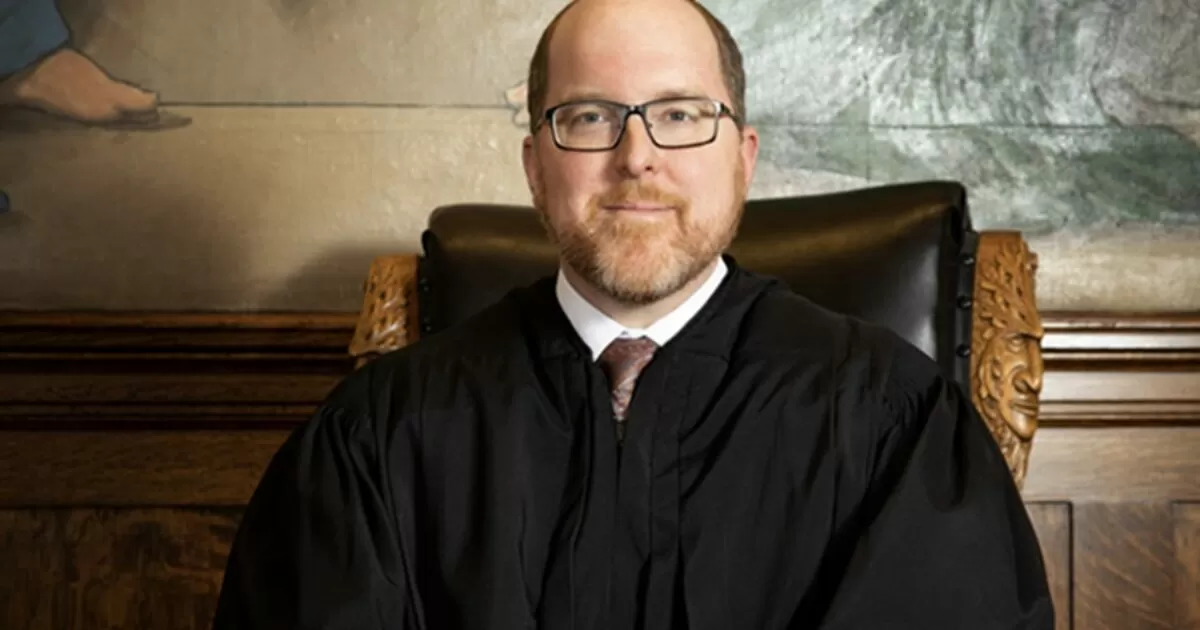
However, in a 56-page ruling, Judge Dana Christensen of the Montana District Court declared the law unconstitutional, stating that it violates the rights of transgender minors and their parents. He argued that the law would cause irreparable harm to these individuals by denying them necessary medical care and forcing them to go through puberty in a body that does not align with their gender identity.
This decision comes after a similar law was blocked by Judge Christensen in April, which was then appealed by the state of Montana. The latest ruling is a major victory for LGBTQ+ rights advocates and has been celebrated by many as a step towards greater acceptance and understanding of transgender individuals.
The ruling has been met with praise from organizations such as the American Civil Liberties Union (ACLU), who represented the plaintiffs in the case. Chase Strangio, deputy director for transgender justice at the ACLU, stated, “This decision is a crucial victory for transgender youth in Montana and sends a message to other states that these harmful and discriminatory laws will not stand.”
The decision has also been welcomed by the transgender community, who have long fought for their right to access gender-affirming medical care. For many transgender individuals, these procedures are not just cosmetic, but essential for their mental health and well-being. By blocking this law, Judge Christensen has ensured that these individuals can continue to receive the care they need without fear of legal repercussions.
However, not everyone is pleased with the ruling. Supporters of the law argue that it is necessary to protect children from making irreversible decisions about their bodies at a young age. They also claim that the law is in line with the beliefs of many parents who do not want their children to undergo these procedures.
But opponents of the law argue that it is based on outdated and harmful beliefs about transgender individuals. They point out that medical professionals, not the government, should be making decisions about the care of their patients. They also argue that the law is a violation of the constitutional rights of transgender minors and their parents.
This ruling is a reminder that the fight for LGBTQ+ rights is far from over. While this decision is a step in the right direction, there are still many challenges that transgender individuals face, including discrimination, violence, and lack of access to healthcare. It is crucial that we continue to advocate for the rights of all individuals, regardless of their gender identity or sexual orientation.
In conclusion, the decision by Judge Christensen to strike down the Montana law banning sex change surgeries and hormone treatments for minors is a significant victory for the transgender community. It sends a powerful message that the rights of transgender individuals must be protected and that discrimination against them will not be tolerated. Let us hope that this ruling will pave the way for a more inclusive and accepting society for all.
