
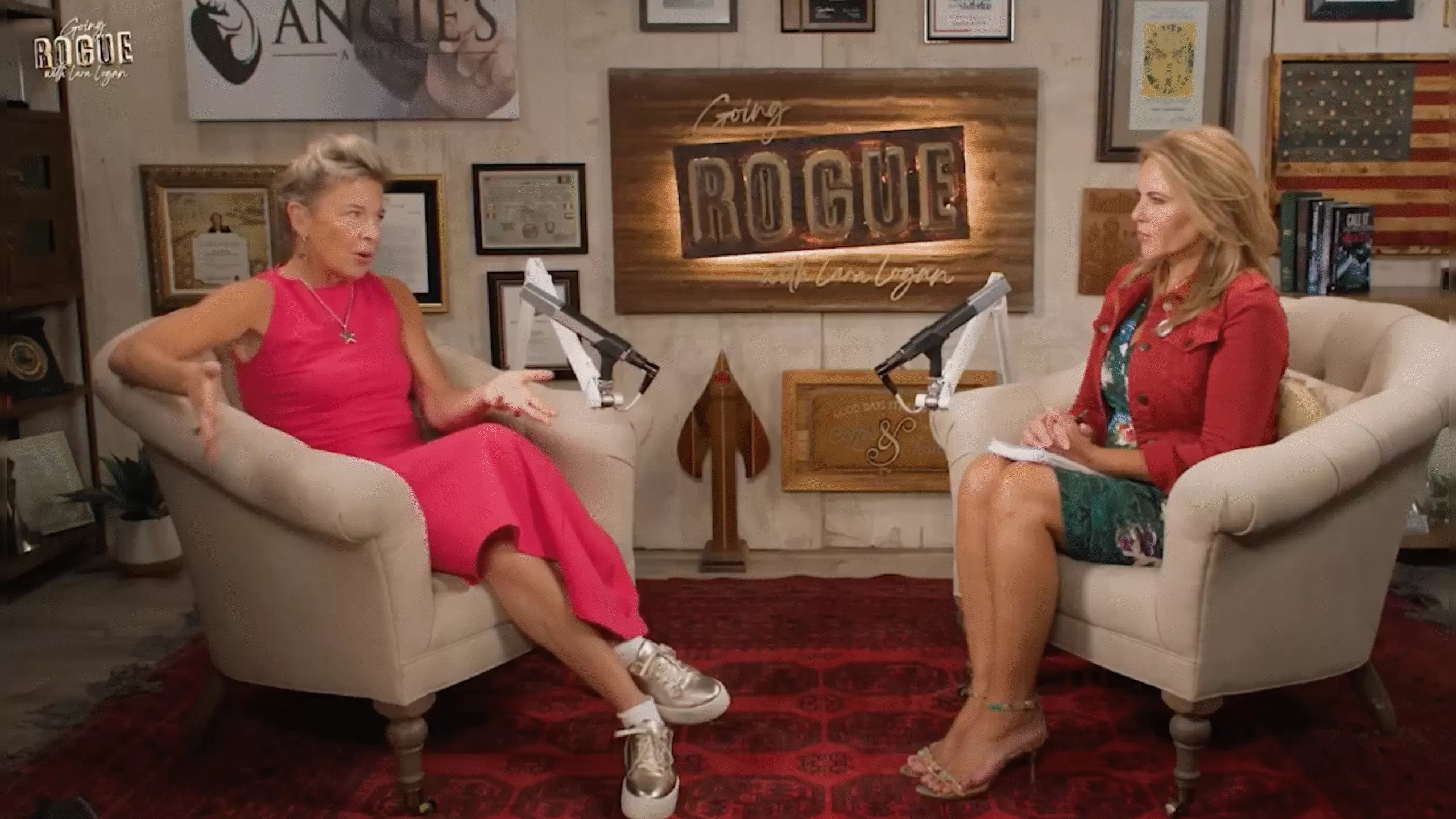
Conservative U.K. has been known for its strong stance on freedom of speech and expression. However, recent events have raised concerns about the state of this fundamental right in the country. The latest incident involves controversial media personality Katie Hopkins, who was recently interviewed “under caution” by the U.K. police for her remarks at a comedy night.
Hopkins, known for her provocative and often divisive opinions, was invited to speak at a comedy night in London. During her performance, she made comments that were deemed offensive and potentially inciting by some members of the audience. As a result, the police were called in to investigate her for “online communications, crime of speech.”
This incident has sparked a heated debate about the limits of free speech in the U.K. Many have criticized the police for overstepping their boundaries and infringing on Hopkins’ right to express her opinions. They argue that comedy is a form of entertainment that often involves pushing boundaries and making controversial statements, and it should not be subject to legal scrutiny.
On the other hand, there are those who believe that Hopkins’ remarks were not just offensive but also dangerous. They argue that hate speech has no place in a civilized society and should be condemned and punished. They also point out that the U.K. has laws in place to protect individuals from hate speech, and the police were simply doing their job by investigating the matter.
Regardless of which side one takes, it is evident that this incident has highlighted the growing tension between free speech and political correctness in the U.K. In recent years, there has been a rise in the number of cases where individuals have been punished for expressing their opinions, even if they were not intended to cause harm or incite violence.
This trend is concerning, as it goes against the very principles of democracy and freedom of expression that the U.K. prides itself on. It also sets a dangerous precedent, where individuals may be afraid to speak their minds for fear of being labeled as offensive or facing legal consequences.
Moreover, the fact that the police have the power to investigate and potentially charge individuals for their online communications is a cause for alarm. In today’s digital age, where social media is a primary medium for communication and expression, this could have a chilling effect on people’s online activities.
It is essential to remember that free speech is not just about protecting popular or agreeable opinions. It is about protecting all forms of expression, even those that may be deemed offensive or controversial. As long as they do not incite violence or cause harm, individuals should be allowed to express their opinions freely, without fear of legal repercussions.
The U.K. has a long history of upholding free speech and being a beacon of democracy. It is crucial that this tradition is not eroded by the growing trend of political correctness and the suppression of dissenting opinions. As British citizens, we must continue to defend our right to speak our minds and challenge the status quo.
In conclusion, the recent incident involving Katie Hopkins and the U.K. police is a wake-up call for all of us to protect and preserve our fundamental right to free speech. We must not allow political correctness to stifle open and honest dialogue, as it is essential for a healthy and functioning democracy. Let us continue to be a country that values and upholds the principles of free speech, even in the face of opposition and controversy.
