
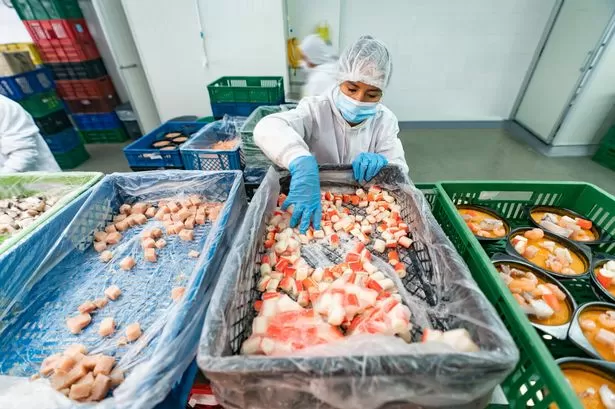
A recent video showing the process of making crab sticks has left many people feeling sick and questioning why these seafood delicacies are not called something entirely different. For those who are unfamiliar with crab sticks, they are a popular type of processed seafood made from surimi, a paste made from fish meat. The video, which has gone viral, has sparked a lot of curiosity and confusion among viewers. However, it is important to understand that the process of making crab sticks is a well-regulated and safe one, and the name is simply a marketing term. Let’s delve deeper into the world of crab sticks and discover the truth behind their name.
The video in question shows a factory in Japan where crab sticks are produced. It starts off by showing the preparation of surimi, which is made by grinding the flesh of white fish such as pollock or cod. This paste is then mixed with other ingredients such as starch, sugar, and seasonings. The mixture is then shaped into long sticks and cooked. Once cooked, the crab sticks are then cooled, sliced, and packaged for sale.
What seems to be causing the most distress among viewers is the fact that these crab sticks do not contain any real crab meat. However, this is not a secret and is clearly stated on the packaging. The name ‘crab stick’ is simply a marketing term used to describe the stick-like shape of the product and its resemblance to crab meat. In fact, crab sticks are also known by other names such as imitation crab, seafood sticks, or even ‘krab’ with a ‘K’.
While it may seem misleading to some, the use of the name ‘crab stick’ is not uncommon in the food industry. For example, hot dogs do not contain any actual dog meat and peanut butter does not contain any butter. These are simply names used to describe the appearance or taste of the product. The same goes for crab sticks. They may not contain any real crab meat, but they do have a similar taste and texture, making them a popular substitute for those who are unable to consume shellfish due to allergies or dietary restrictions.
Furthermore, the process of making crab sticks is strictly regulated to ensure the safety and quality of the product. The Food and Drug Administration (FDA) has set standards for the production of surimi, and all manufacturers must adhere to these guidelines. This includes the use of high-quality fish, strict hygiene practices, and proper labeling of the product. So, while the video may have left some feeling queasy, rest assured that crab sticks are safe to consume.
Another interesting fact about crab sticks is their origin. Despite their popularity in Japanese cuisine, they were actually invented in the United States in the 1970s by a Japanese-American seafood processor. The idea was to use surimi to create an affordable alternative to expensive crab meat. Little did they know that it would become a staple in sushi rolls and other seafood dishes around the world.
In conclusion, the video showing the process of making crab sticks may have left some feeling uneasy, but it is important to understand that the name is simply a marketing term and the product is safe to consume. As with any processed food, it is important to consume it in moderation and to check the ingredients for any potential allergens. So, the next time you enjoy a California roll or a seafood salad, remember that crab sticks are simply a clever and tasty substitute for real crab meat.
