
Basant Panchami, also known as Vasant Panchami, marks the arrival of spring in India. It is one of the most vibrant festivals celebrated in the country, and this year it falls on January 23rd. It is a day filled with traditional rituals, colorful decorations, and mouth-watering delicacies. This auspicious occasion is eagerly awaited by people from all walks of life, and it holds a special place in the hearts of every Indian.
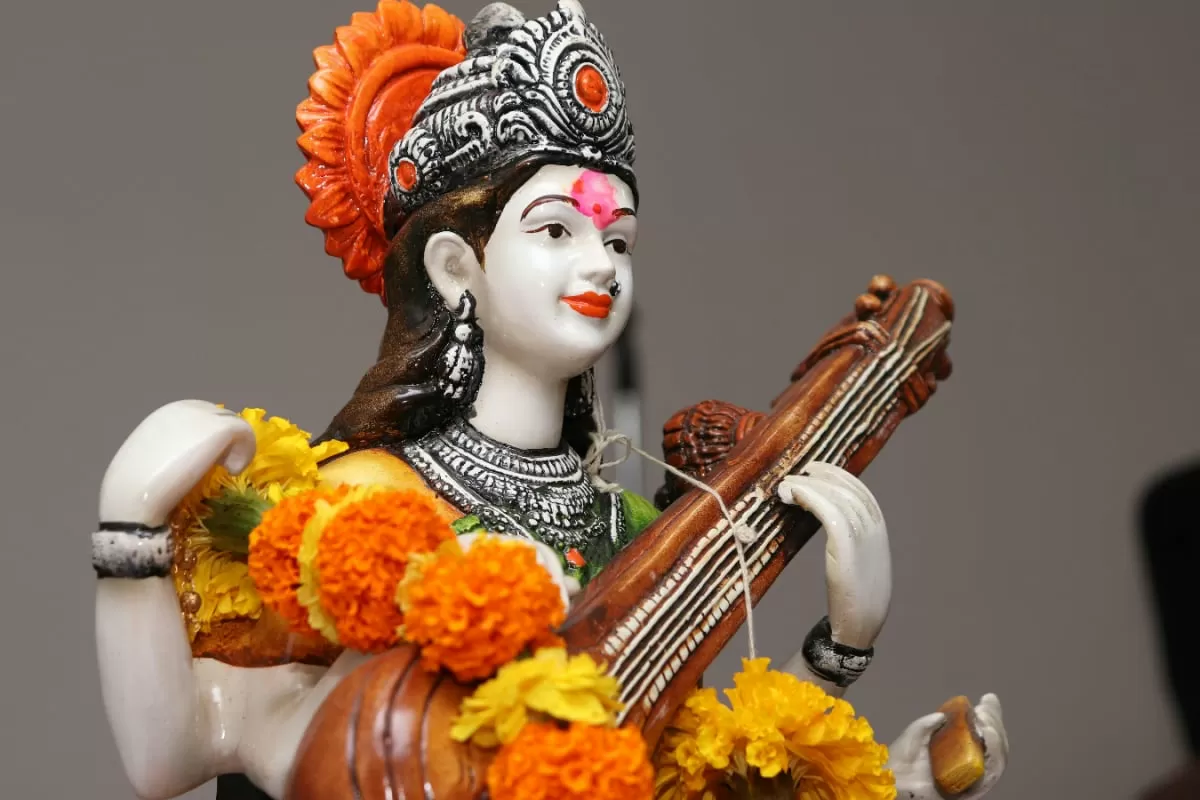
Basant Panchami is predominantly celebrated in the northern parts of India, particularly in the states of Uttar Pradesh, Punjab, and Haryana. The festival is dedicated to Goddess Saraswati, the Hindu deity of knowledge, wisdom, arts, and music. Saraswati is revered as the source of creativity and intellect, and on this day, prayers and offerings are made to her seeking blessings for success, prosperity, and happiness.
The festival is also tied to the legends and myths of Hindu mythology. According to one story, Goddess Saraswati was born on this day in the form of a beautiful swan. Another popular belief is that Lord Brahma, the creator of the universe, created the world on this day. Hence, it holds immense significance for Hindus and is celebrated with great zeal and enthusiasm.
As the name suggests, Basant Panchami is celebrated on the fifth day (Panchami) of the Hindu lunar month of Magha (January-February), which marks the transition from winter to spring. It symbolizes the end of the cold and harsh winter and the beginning of the season of new beginnings, growth, and love. The weather during this time is pleasant, with flowers blooming, birds chirping, and the sun shining bright in the clear blue sky. It is a welcoming sight after months of gloomy and chilly weather.
The festival is a feast for the senses, with vibrant yellow being the dominant color. It is believed to be the favorite color of Goddess Saraswati and represents joy, prosperity, and enlightenment. People dress up in yellow traditional attire, decorate their homes with yellow flowers, and prepare traditional yellow dishes like saffron rice, kesari halwa, and sweet boondi. The streets come alive with kite flying competitions, traditional music and dance performances, and people smearing yellow gulal (powder) on each other’s faces.
One of the most significant rituals of Basant Panchami is the worship of the Goddess Saraswati. People set up colorful and elaborate pandals (canopies) adorned with flowers, and place idols of the Goddess on a pedestal. Special prayers and offerings are made to the Goddess, and students and professionals seek her blessings for success in their respective fields. Children are taught to write their first words on this day, and it is considered auspicious to start a new venture or learning on Basant Panchami.
Apart from being a cultural and religious festival, Basant Panchami also has agricultural significance. The day marks the beginning of the harvesting season, and farmers worship the fields, cows, and bullocks to bless them with good yields. It is also an occasion for farmers to celebrate and take a break from their hard work.
In addition to India, Basant Panchami is celebrated in many other countries such as Nepal, Bangladesh, and Pakistan. People from different communities and religions come together to celebrate this festival, making it a symbol of unity and harmony.
In conclusion, Basant Panchami is a beautiful festival that brings joy, positivity, and hope in people’s lives. It is a reminder to embrace the changing seasons of life and let go of the past to welcome new beginnings. The festival also highlights the importance of knowledge and education and instills a sense of gratitude towards nature and its bounties. Let us all celebrate this festival with great zeal and spread the message of love and harmony to make the world a better place. Wishing everyone a very happy and prosperous Basant Panchami!
