
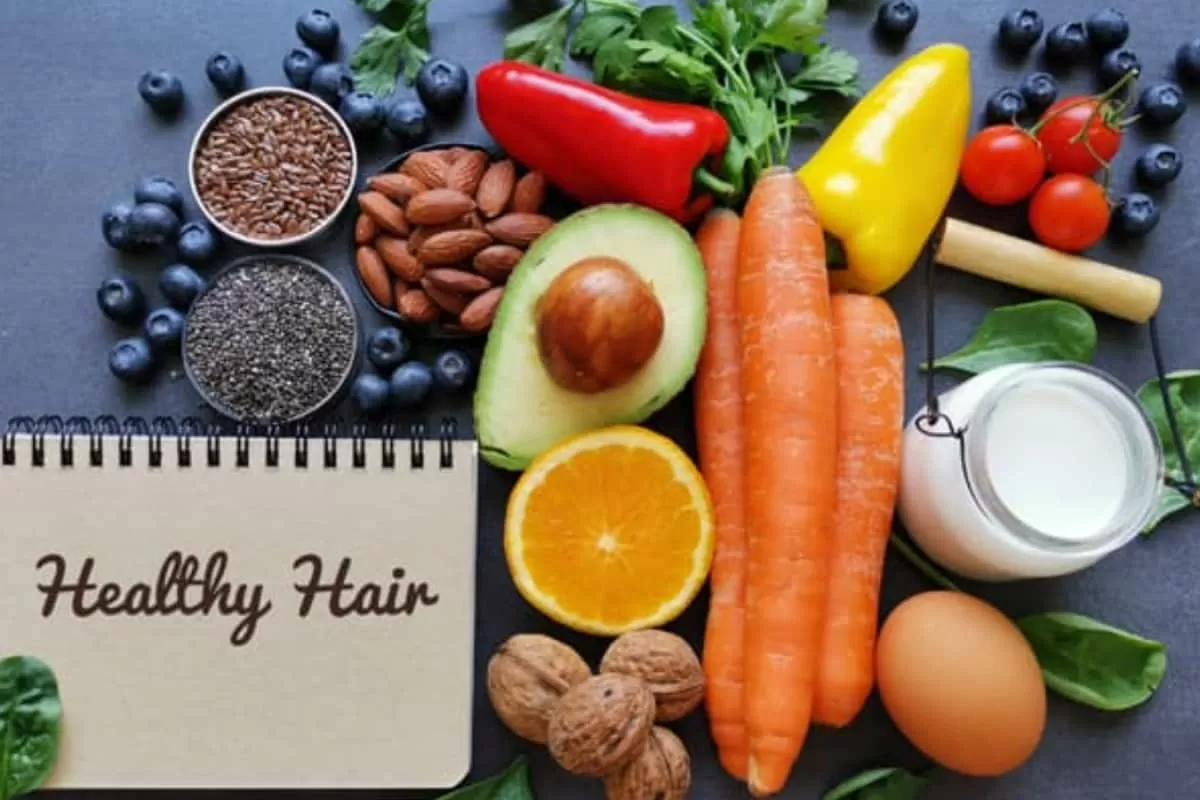
As the winter season approaches, many of us start to notice an increase in hair fall. It can be frustrating and worrisome, especially when we’re used to having a full and healthy head of hair. But why does hair fall worsen in winter? According to dermatologists, there are several factors at play, including poor hydration, nutrient deficiencies, and reduced sun exposure. In this article, we’ll explore how these factors can impact scalp health and hair growth in winter, and how we can combat them with a healthy diet.
Poor hydration is a common problem during the winter months. The cold weather can cause our skin and scalp to become dry and dehydrated, which can lead to hair fall. When our scalp is dehydrated, it becomes weak and more prone to breakage, resulting in hair fall. Additionally, dehydration can also affect the production of sebum, the natural oil that keeps our scalp and hair moisturized. When there is a lack of sebum, our hair becomes dry and brittle, making it more likely to fall out.
To combat poor hydration, it’s essential to drink plenty of water throughout the day. It may be tempting to reach for warm beverages like coffee or tea during the winter, but these can actually contribute to dehydration. Make sure to also include hydrating foods in your diet, such as fruits and vegetables that have a high water content. These will not only help keep your scalp and hair hydrated but also provide essential nutrients for healthy hair growth.
Speaking of nutrients, another factor that can contribute to hair fall in winter is nutrient deficiencies. During this season, we tend to crave comfort foods that are high in carbohydrates and fats, but low in essential vitamins and minerals. This can lead to a lack of nutrients that are crucial for maintaining healthy hair, such as iron, zinc, and biotin. Iron deficiency, in particular, is a common cause of hair fall as it affects the production of red blood cells, which carry oxygen and nutrients to the hair follicles.
To ensure that you’re getting enough nutrients for healthy hair growth, it’s important to have a well-balanced diet that includes a variety of fruits, vegetables, whole grains, and lean proteins. Foods rich in iron include leafy greens, beans, and lean meats. Zinc can be found in foods like nuts, seeds, and seafood. Biotin, also known as vitamin B7, can be found in eggs, avocados, and salmon. If you’re struggling to meet your daily nutrient requirements, consider taking a multivitamin or consulting a dietitian for personalized recommendations.
Reduced sun exposure is another factor that can contribute to hair fall in winter. Sunlight is a vital source of vitamin D, which plays a crucial role in hair growth. When our body lacks vitamin D, it can lead to hair thinning and even hair loss. During the winter, we tend to spend more time indoors, and when we do go outside, we’re usually bundled up, leaving little skin exposed to the sun. This can result in a vitamin D deficiency, which can ultimately affect our hair health.
To combat reduced sun exposure, it’s essential to get enough vitamin D through our diet. Foods that are rich in this vitamin include fatty fish like salmon, tuna, and mackerel, as well as egg yolks and fortified dairy products. You can also consider taking a vitamin D supplement, especially if you live in an area with little sunlight during the winter months.
In addition to these factors, stress and lack of sleep can also contribute to hair fall in winter. The holiday season can be a busy and stressful time for many, and this can take a toll on our overall health, including our hair. Stress can disrupt the hair growth cycle and cause hair to enter the resting phase prematurely, resulting in hair fall. Lack of sleep can also affect our body’s ability to repair and regenerate, which can impact the health of our scalp and hair.
To combat stress and promote better sleep, it’s important to practice self-care and prioritize rest. Make time for activities that help you relax, such as yoga, meditation, or a warm bath. Aim for at least 7-9 hours of sleep each night, and try to establish a consistent sleep schedule. Taking care of your mental and emotional well-being is just as important as taking care of your physical health.
In conclusion, hair fall in winter can be a result of poor hydration, nutrient deficiencies, reduced
