
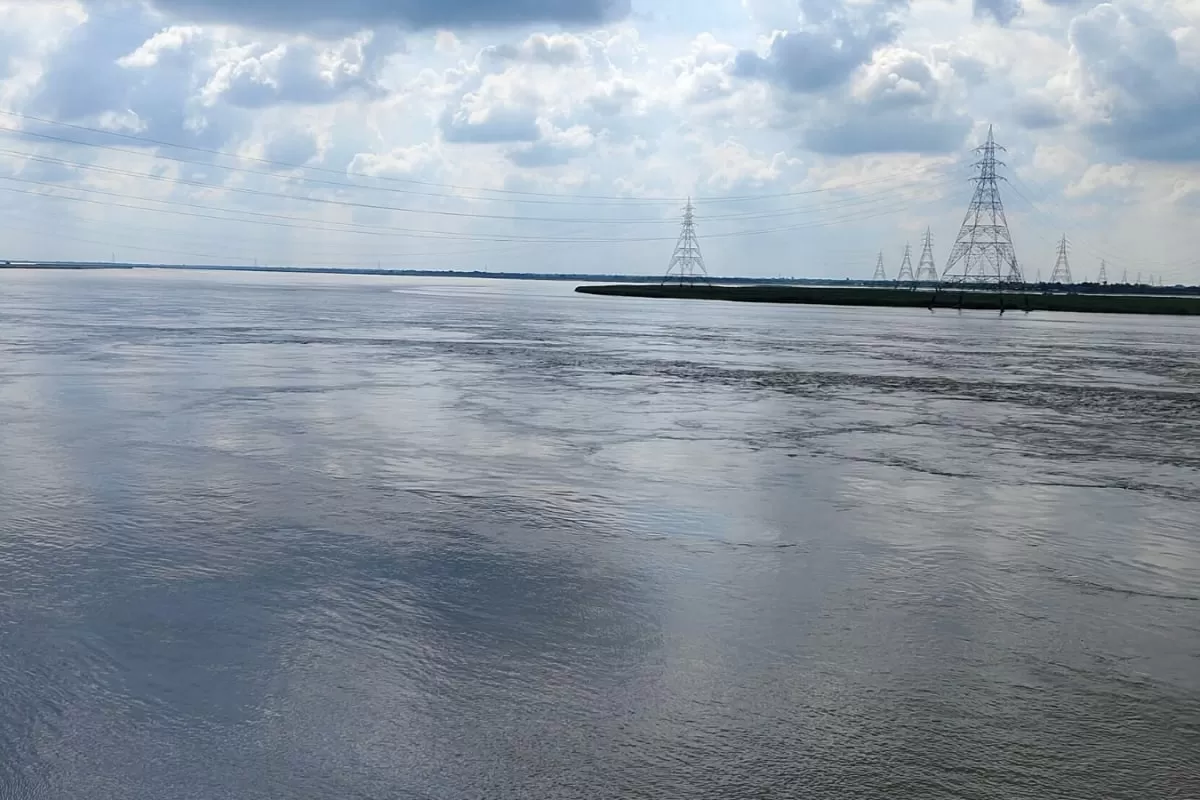
The river is often seen as a source of life, a blessing to the land it flows through. It nourishes the soil, provides water for crops and sustains the surrounding ecosystem. However, there are also instances when the river can become a curse, causing devastation and destruction. In this article, we will explore the significance of the river and how it can be both a blessing and a curse.
First and foremost, the river is a symbol of abundance and fertility. It has been worshipped since ancient times as a deity, with many cultures believing that it possesses divine powers. The ancient Egyptians believed that the Nile was a gift from the gods, providing water for their crops and sustaining their civilization. Similarly, in Hinduism, the river Ganges is revered as a goddess and is considered a sacred site for religious ceremonies and rituals. In this sense, the river is seen as a blessing, a life-giving force that nurtures and sustains the land and its people.
Furthermore, the river serves as a source of livelihood for many communities. Fishermen rely on its waters for their daily catch, while farmers use it for irrigation and other agricultural activities. The river also supports industries such as transportation, hydropower, and tourism. Its presence brings economic prosperity to the surrounding areas, providing jobs and income for the locals. It is a source of abundance and prosperity, making it a blessing for those who live by its banks.
However, as with everything, the river has a dark side as well. It can quickly turn into a curse when it overflows its banks. Floods are a natural occurrence, but when they happen, they can be devastating. The overflowing water can cause damage to homes, crops, and infrastructure, displacing people and disrupting their way of life. We have seen the devastating effects of floods in recent years, from the widespread destruction caused by the Mississippi River in the US to the catastrophic floods in India and Bangladesh. In these instances, the river is perceived as a curse, bringing chaos and destruction in its wake.
Moreover, the river can also carry pollutants and waste that can harm the environment and the creatures that depend on it. Industrial and domestic waste, as well as chemical fertilizers and pesticides, can find their way into the river, contaminating the water and causing harm to aquatic life. This pollution can also have a ripple effect on human health, affecting those who rely on the river for their daily needs. In such cases, the river is seen as a curse, causing harm and endangering the lives of those who depend on it.
In recent years, we have also seen the impact of climate change on rivers. Changes in weather patterns have caused some rivers to dry up, while others experience severe droughts, affecting the communities that rely on them. In these situations, the river becomes a curse, depriving people of its life-giving waters and causing hardship and suffering.
Nevertheless, despite the challenges that the river can bring, it is essential to remember its value and significance. The river has played a crucial role in the development of civilizations and continues to do so in the present day. It is a source of life and prosperity, a symbol of abundance and fertility. It is also a reminder that we need to respect and protect our natural resources, as they can quickly turn into a curse if not taken care of.
In conclusion, the river is, without a doubt, a blessing to the land it flows through. It has been a source of life and sustenance for centuries, and we must continue to cherish and protect it. However, we must also acknowledge that it can become a curse in certain situations. Still, if we treat it with care and respect, the river will continue to bless us and be a source of abundance and prosperity for generations to come. Let us all do our part in preserving and protecting this precious resource for the betterment of our planet.
