
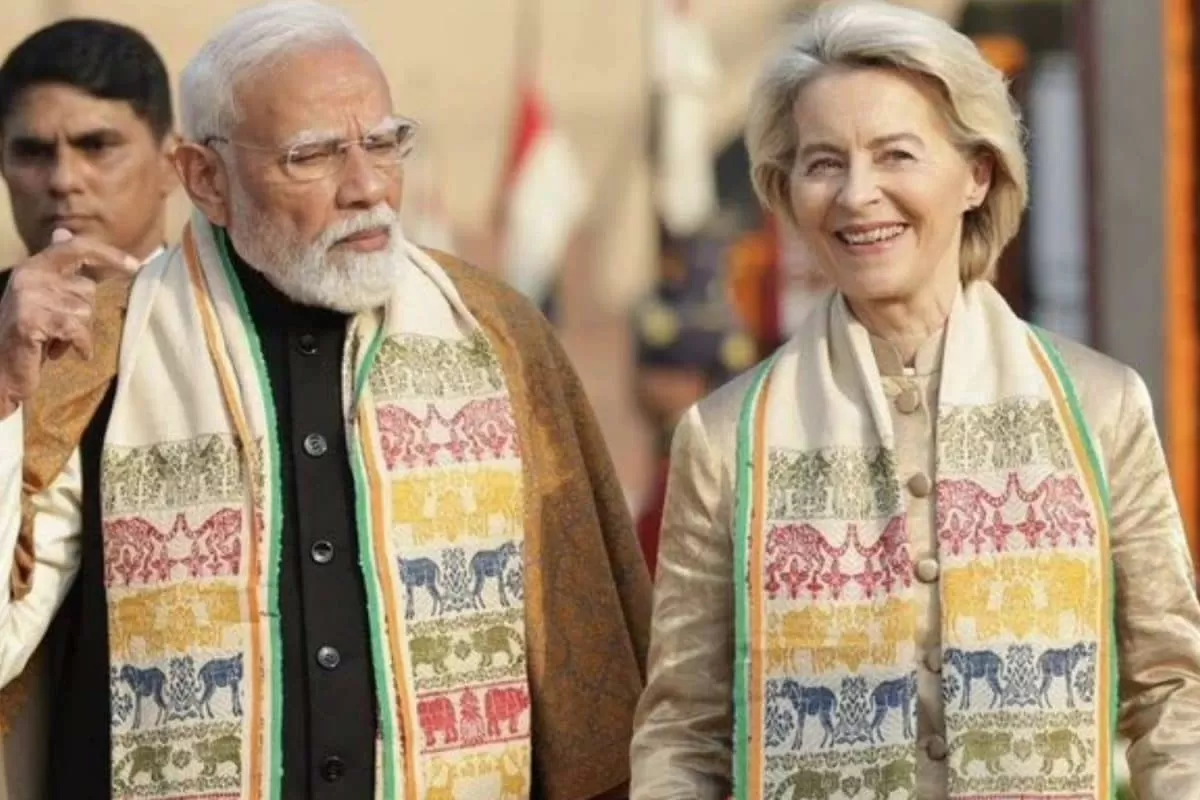
Assam, a state in the northeastern part of India, is known for its rich culture, diverse wildlife, and breathtaking landscapes. However, there is another aspect of Assam that is gaining recognition and appreciation – its sustainable “peace silk” industry. This unique blend of tradition, compassion, and modern fashion appeal is not only promoting eco-friendly practices but also empowering local communities.
Silk has always been a symbol of luxury and elegance, but the traditional methods of silk production involve the killing of silkworms. This has raised ethical concerns and led to the development of alternative methods of silk production. One such method is “peace silk”, also known as “ahimsa silk” or “non-violent silk”. This method involves allowing the silkworms to complete their life cycle and emerge as moths, thus avoiding harm to the creatures. This results in a more humane and sustainable process of silk production.
Assam has a long history of silk production, with the state being home to four major types of silk – Muga, Eri, Tassar, and Mulberry. The traditional method of silk production in Assam involves rearing the silkworms on trees, which is a labor-intensive process. However, with the introduction of peace silk, the industry has undergone a transformation. The state is now producing silk that is not only ethically produced but also of high quality and in line with modern fashion trends.
The production of peace silk in Assam is a perfect blend of tradition and modern techniques. The silk is handwoven by skilled artisans, using traditional techniques that have been passed down for generations. This not only preserves the cultural heritage of the state but also provides employment opportunities for the local communities. The use of natural dyes, such as turmeric, indigo, and henna, adds to the uniqueness of the silk and makes it environmentally friendly.
Apart from promoting ethical practices, the peace silk industry in Assam is also promoting compassion towards animals. By allowing the silkworms to complete their life cycle, the industry is sending a message of respect and kindness towards all living beings. This has also led to a rise in awareness about animal welfare and has encouraged people to make more conscious and ethical choices.
The peace silk industry in Assam has also caught the attention of the fashion world. Designers and fashion houses are now incorporating this sustainable silk into their collections, giving it a modern and chic appeal. The silk is not only being used for traditional Assamese attire but also for contemporary designs, making it a versatile fabric for all occasions.
The rise of the peace silk industry in Assam has not only brought about a positive change in the fashion world but also in the lives of the people involved. The industry has provided employment opportunities for women, especially in rural areas, empowering them and giving them financial independence. It has also helped in the preservation of traditional skills and techniques, which were at risk of being lost.
The state government of Assam has also recognized the potential of the peace silk industry and has taken initiatives to promote it. The Assam Silk Outreach Program was launched in 2017 to provide training and support to local weavers and artisans. The program aims to increase the production of peace silk and promote it on a global scale.
The success of the peace silk industry in Assam has not gone unnoticed. In 2019, the state was awarded the “Best State for Promotion of Sericulture” by the Central Silk Board of India. This recognition has not only boosted the morale of the people involved in the industry but has also put Assam on the map as a leader in sustainable silk production.
In conclusion, Assam’s sustainable “peace silk” industry is a perfect example of how tradition, compassion, and modern fashion appeal can come together to create a positive impact. It is not only promoting ethical practices and preserving traditional skills but also empowering local communities and promoting animal welfare. With the support of the government and the growing demand for sustainable fashion, the future of the peace silk industry in Assam looks bright. Let us all support this noble cause and make a conscious effort towards a more sustainable and compassionate world.
