
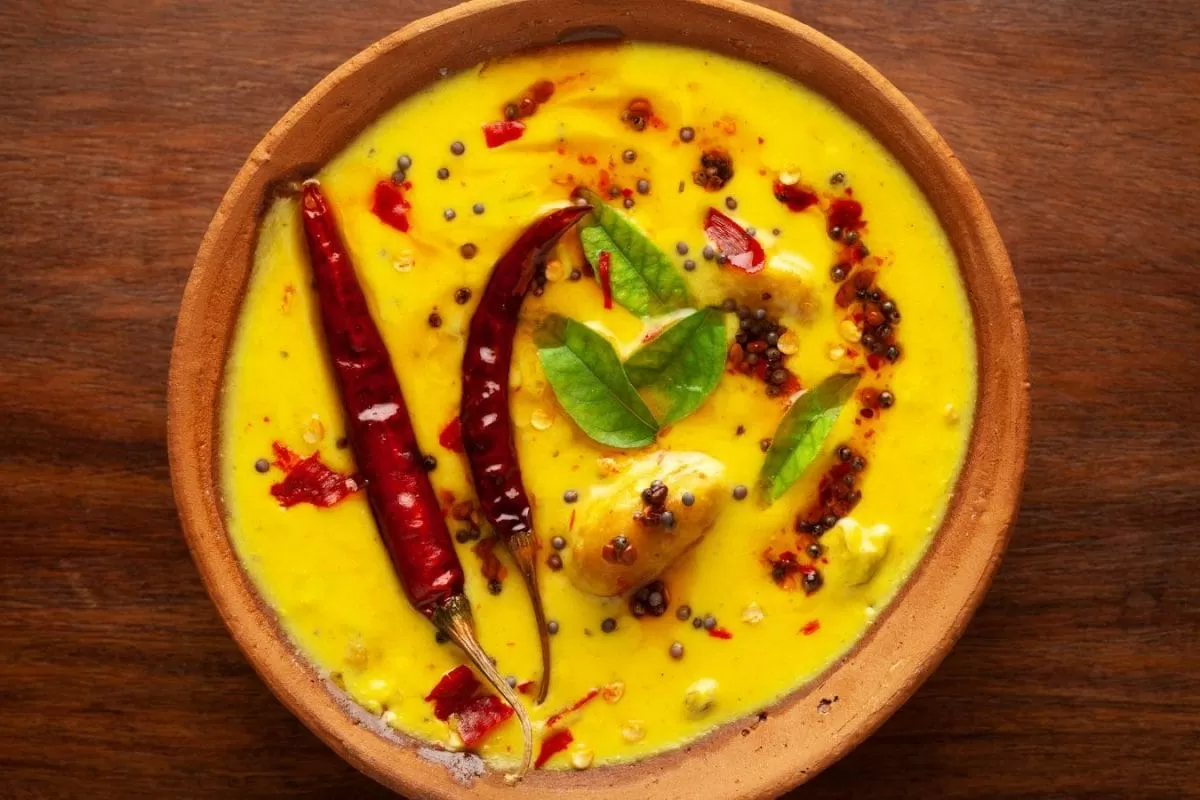
Kadhi, a traditional Indian dish, has been a staple in Indian households for generations. Whether paired with rice, rotis, or khichdi, kadhi remains one of India’s most beloved culinary traditions. This flavorful and comforting dish has stood the test of time and continues to be a favorite among people of all ages. Its versatility and simplicity make it a go-to dish for many, and its rich history adds to its charm.
Kadhi is a yogurt-based curry that is typically made with a combination of chickpea flour, spices, and vegetables. The dish varies from region to region, with each state having its own unique twist on the recipe. In the north, kadhi is usually made with pakoras (fritters) and has a thicker consistency, while in the south, it is made with coconut milk and has a thinner consistency. Despite these variations, one thing remains constant – the delicious and tangy flavor that makes kadhi a crowd-pleaser.
One of the reasons why kadhi has stood the test of time is its simplicity. The dish requires minimal ingredients and can be made in a matter of minutes. This makes it a go-to dish for busy weekdays or when unexpected guests arrive. The ingredients used in kadhi are also easily available in most Indian households, making it a convenient and budget-friendly dish. The ease of preparation and availability of ingredients have made kadhi a popular choice for home-cooked meals.
Apart from its simplicity, kadhi is also known for its health benefits. Yogurt, the main ingredient in kadhi, is a probiotic that aids in digestion and boosts immunity. The addition of spices like turmeric, cumin, and coriander not only adds flavor but also has numerous health benefits. These spices are known for their anti-inflammatory and antioxidant properties, making kadhi not just delicious but also nutritious. The use of vegetables like okra, eggplant, and spinach in kadhi also adds to its nutritional value, making it a well-rounded meal.
Kadhi is not just a dish; it is a part of Indian culture and history. It is believed that the dish originated in Gujarat and was introduced to other parts of India by the Maratha rulers. Over the years, kadhi has become an integral part of Indian cuisine and is prepared in different ways to suit the taste buds of different regions. It is also a popular dish during festivals and celebrations, adding to its cultural significance. The dish has been passed down from generation to generation, and its popularity remains unchanged.
One of the best things about kadhi is its versatility. It can be enjoyed with a variety of accompaniments, making it a versatile dish that can be customized to suit one’s preferences. It can be paired with rice, rotis, khichdi, or even eaten as a soup. The addition of pakoras, vegetables, or lentils also adds a unique twist to the dish, making it a favorite among food enthusiasts. The adaptability of kadhi has made it a part of different cuisines, with variations like Gujarati kadhi, Punjabi kadhi, and Rajasthani kadhi being popular among food lovers.
In conclusion, kadhi is more than just a dish; it is a culinary tradition that has stood the test of time. Its simplicity, health benefits, and cultural significance have made it a beloved dish among Indians. Whether enjoyed as a comforting meal on a rainy day or as a part of a festive spread, kadhi never fails to satisfy taste buds and bring people together. So, the next time you sit down for a meal, remember to add a bowl of kadhi and experience the magic of this timeless Indian dish.
