
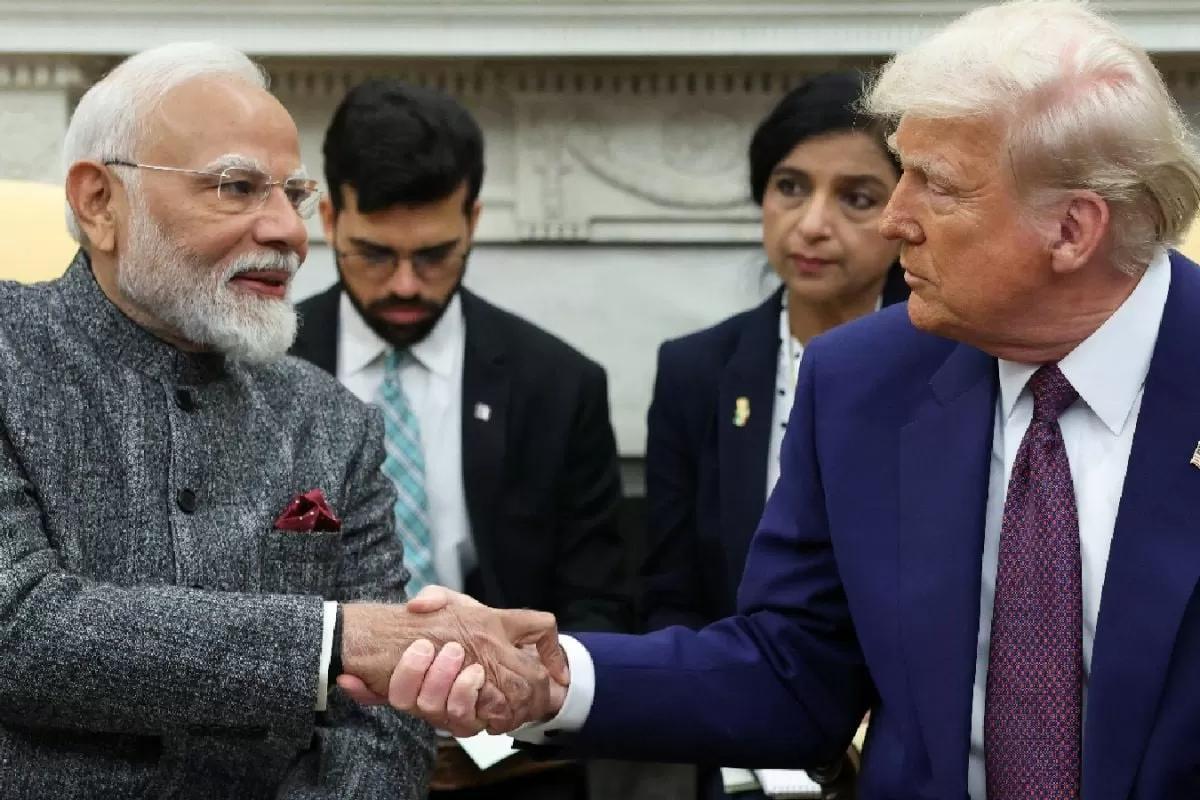
After months of negotiations and speculation, India and the United States have finally sealed a trade deal. This much-awaited agreement has been a long time coming, with both countries facing challenges and obstacles along the way. As we celebrate this milestone in the relationship between India and the US, let’s take a look back at the key moments that led to this historic announcement.
2005: The Beginning of a New Era
The journey towards a trade deal between India and the US began in 2005 when the two countries signed the New Framework for the US-India Economic Cooperation. This framework aimed to strengthen economic ties and promote trade and investment between the two nations. It laid the foundation for future negotiations and set the stage for a closer partnership.
2008: The Civil Nuclear Agreement
In 2008, India and the US signed the historic Civil Nuclear Agreement, which allowed India to access civilian nuclear technology and fuel from the US. This agreement was a significant step towards strengthening the strategic and economic relationship between the two countries. It also paved the way for further cooperation in the fields of energy and technology.
2014: The Modi-Obama Summit
The year 2014 marked a turning point in the India-US relationship with the election of Prime Minister Narendra Modi. In September of that year, PM Modi and then-US President Barack Obama held their first bilateral summit, which resulted in the Joint Strategic Vision for the Asia-Pacific and Indian Ocean Region. This vision aimed to deepen cooperation in areas such as defense, security, and trade.
2015: The Launch of the Strategic and Commercial Dialogue
In 2015, the US and India launched the Strategic and Commercial Dialogue, which brought together top officials from both countries to discuss key issues related to trade and investment. This dialogue played a crucial role in laying the groundwork for the trade deal that was to come.
2017: The First 2+2 Dialogue
In 2017, the US and India held their first 2+2 dialogue, which involved the foreign and defense ministers of both countries. This dialogue focused on strengthening defense and security ties, as well as expanding economic cooperation. It also set the stage for future negotiations on a trade deal.
2018: The Imposition of Tariffs
In 2018, the US imposed tariffs on steel and aluminum imports from India, citing national security concerns. This move strained the relationship between the two countries and raised concerns about the future of trade between them. However, both sides continued to engage in negotiations to find a solution.
2019: The GSP Issue
In 2019, the US terminated India’s designation as a beneficiary developing country under the Generalized System of Preferences (GSP) program. This decision, which was based on concerns over India’s trade barriers, further complicated the trade relationship between the two countries. However, it also pushed both sides to work towards a trade deal that would benefit both nations.
2020: The Final Push
After months of negotiations, India and the US finally announced a trade deal in February 2020. The deal, which is expected to be signed in the coming weeks, will address issues related to tariffs, market access, and intellectual property rights. It is seen as a significant step towards strengthening the economic ties between the two countries and boosting trade and investment.
The Future Looks Bright
As we look towards the future, the India-US trade deal is a promising sign of the growing partnership between the two nations. It is a testament to the hard work and dedication of both sides in overcoming challenges and finding common ground. This agreement will not only benefit the economies of both countries but also pave the way for a stronger and more prosperous relationship.
In conclusion, the India-US trade deal is a result of years of hard work and cooperation between the two nations. It is a significant milestone in the relationship between India and the US and a testament to the strong ties between the two countries. As we move forward, let us continue to work towards strengthening this partnership and creating a brighter future for both nations.
