
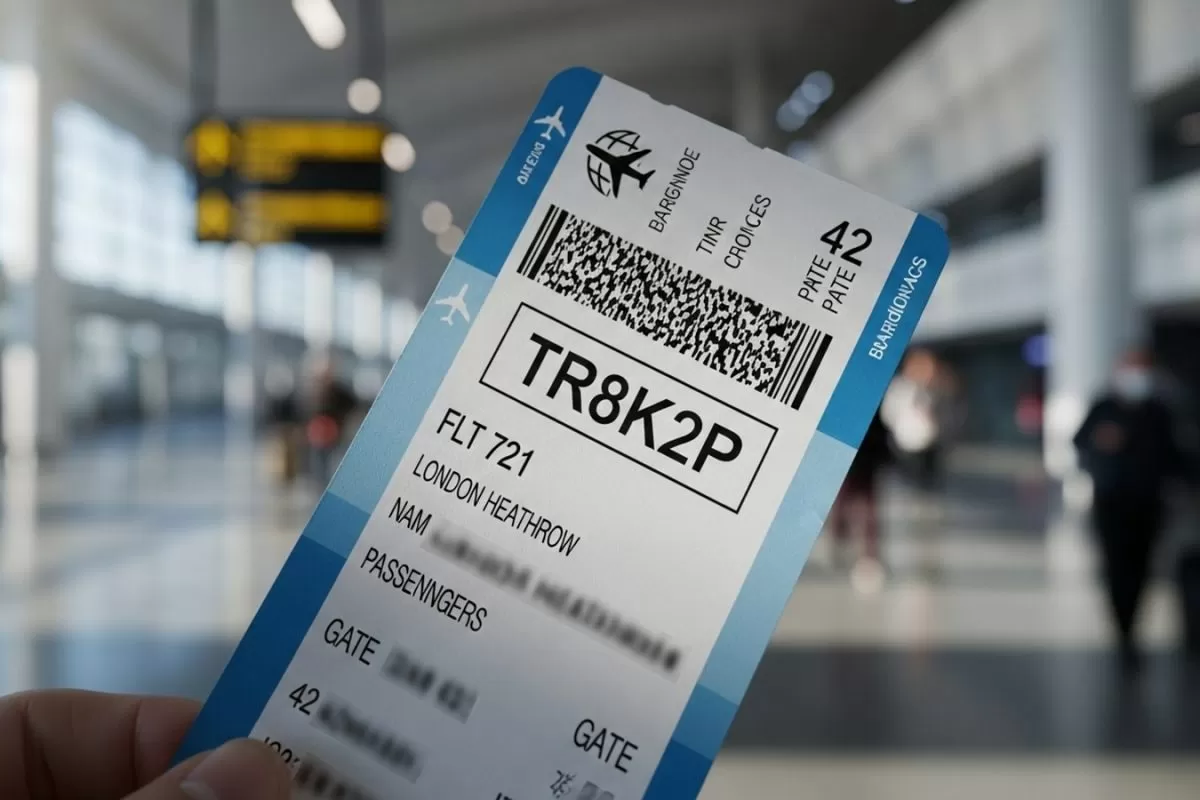
In this fast-paced world, traveling has become an essential part of our lives. Whether it is for work or leisure, we rely on transportation to take us to our desired destinations. And with the advancement of technology, travel has become more convenient and accessible than ever before. A crucial component of this convenience is the Passenger Name Record, or PNR, which serves as the invisible backbone of modern ticketing systems. From confirming your seat to ensuring smooth travel coordination, PNR plays a significant role in making our travel experience hassle-free.
So, what exactly is a PNR? In simple terms, it is a unique identification number that is assigned to a passenger or a group of passengers traveling together. This number contains important details of the journey, such as the passenger’s name, flight information, itinerary, and other relevant information. It acts as a central database for all the information related to a particular journey and helps in streamlining the entire travel process.
One of the most significant advantages of the PNR system is that it allows travelers to confirm their seat and other travel details in advance. Gone are the days when we had to stand in long queues to purchase a ticket or wait for hours to speak to a customer care representative to reserve a seat. With PNR, all it takes is a few clicks, and your seat is reserved. This feature is especially beneficial for people who have a hectic schedule and cannot afford to waste time at the airport.
Moreover, PNR plays a crucial role in ensuring smooth coordination between different travel services. For instance, if you are taking a flight that requires you to change planes, your PNR will contain all the necessary information regarding the connecting flight. This helps in seamless coordination between airlines, ensuring that you reach your destination without any hassle.
The PNR system also makes it easier for travelers to make changes to their itinerary. If, for some reason, you need to alter your travel plans, all you have to do is inform the airline about it, and they will make the necessary changes to your PNR. This eliminates the need for multiple transactions and makes the whole process more convenient.
Another benefit of the PNR system is that it allows airlines to efficiently manage their resources and provide better customer service. By having all the passenger information in one place, airlines can effectively plan their flights, allocate seats, and ensure that all necessary arrangements are made for a comfortable journey. This, in turn, leads to a more efficient and streamlined travel experience for passengers.
While PNR is commonly used in air travel, it is also a vital part of other forms of transportation, such as trains and buses. For example, the Indian Railways uses PNR to keep track of the passenger information and manage seat reservations. This has significantly reduced the time and effort required for booking train tickets and has made the whole process much more convenient for passengers.
In addition to making travel more convenient, the PNR system also serves as a safety measure. In case of any unforeseen circumstances, such as flight delays or cancellations, the PNR system helps in quickly notifying passengers and providing them with alternative options. This ensures that passengers are well-informed and can make necessary arrangements without any inconvenience.
In conclusion, the Passenger Name Record is the backbone of modern ticketing systems, making travel more convenient, efficient, and safe. From reserving your seat to ensuring smooth coordination between different travel services, PNR plays a crucial role in the entire travel process. It has revolutionized the way we travel and has made our lives much easier. So the next time you book a ticket, remember that the invisible backbone of the modern ticketing system, the PNR, is working behind the scenes to make your journey hassle-free.
