
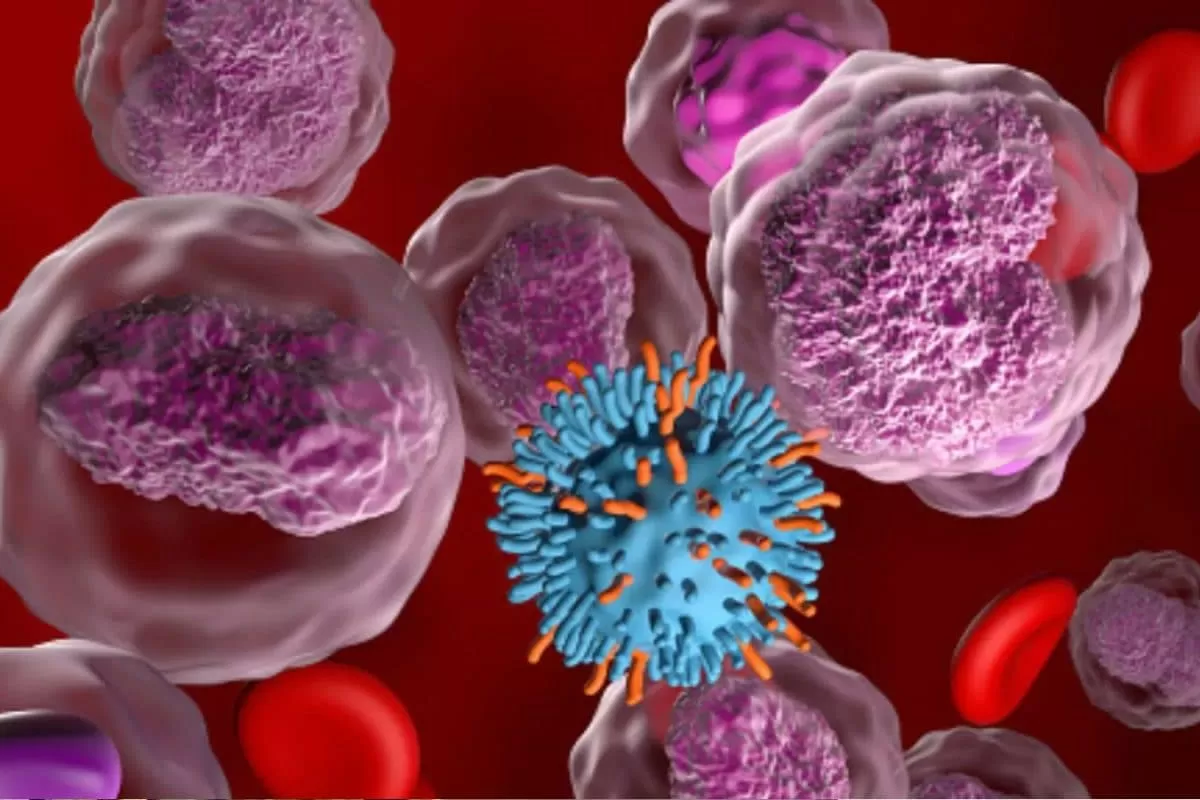
Cancer is a disease that affects millions of people worldwide and has a devastating impact on individuals, families, and society as a whole. Despite significant advancements in medical research and treatments, cancer remains a leading cause of death globally. While the development of tumors in low-oxygen environments is known to be linked to poor prognosis, there is a surprising correlation between populations living at high altitudes and lower cancer mortality rates.
Tumors are abnormal growths of cells that can develop in any part of the body. They can be benign or malignant, with the latter being cancerous and capable of spreading to other parts of the body. The growth of these tumors relies on the supply of oxygen and nutrients through blood vessels. In low-oxygen environments, such as the areas surrounding tumors, cells are under stress and tend to mutate more frequently, leading to the formation of cancerous cells.
This phenomenon is evident in various types of cancer, including breast, lung, and brain cancer. Tumors growing in low-oxygen environments are often resistant to conventional cancer treatments, making them more challenging to treat. Therefore, it is not surprising that tumors developing in low-oxygen environments are associated with poor prognosis and high mortality rates.
However, there is a curious observation that contradicts this notion – populations living at high altitudes tend to have lower cancer mortality rates. This observation has puzzled scientists for years, leading them to investigate the possible link between high altitude and reduced cancer mortality rates.
Studies have shown that individuals living at high altitudes have adapted to the low-oxygen environment by developing mechanisms to cope with the stressors. These adaptations include increased oxygen transport, improved utilization of oxygen by cells, and enhanced immune response – all of which may contribute to the lower incidence of cancer in these populations.
One of the key mechanisms is the production of a hormone called erythropoietin (EPO) in response to low oxygen levels. EPO stimulates the production of red blood cells, which are responsible for carrying oxygen to the body’s tissues. In individuals living at high altitudes, the body produces higher levels of EPO, leading to an increase in red blood cells and improved oxygen delivery to cells, even in low-oxygen environments.
Moreover, studies have shown that the reduced oxygen levels at high altitudes also lead to the production of a protein called hypoxia-inducible factor 1 (HIF-1). HIF-1 plays a crucial role in regulating the body’s response to low oxygen levels and has been found to have anti-tumor effects. It can inhibit the growth of blood vessels, preventing the supply of nutrients and oxygen to tumors, thereby slowing their growth.
Furthermore, living at high altitudes also changes the body’s immune response. The lower oxygen levels stimulate the production of immune cells, such as T-cells, which play a vital role in identifying and destroying cancerous cells. These cells are also more efficient in low-oxygen environments, making them better equipped to fight off cancer cells in individuals living at high altitudes.
The correlation between high altitude and lower cancer mortality rates is supported by various studies. For example, a study conducted in Bolivia, a country with a high-altitude population, found that individuals living at higher altitudes had a lower incidence of lung cancer than those living at lower altitudes. Similarly, a study in Tibet, a region with an average elevation of 16,000 feet, found a lower incidence of various types of cancer, including breast and lung cancer, compared to individuals living at lower elevations.
It is worth noting that the lower cancer mortality rates observed in individuals living at high altitudes are not solely attributed to their physical location. Factors such as lifestyle, diet, and genetics also play a significant role in cancer development and mortality rates. However, the correlation between high altitude and lower cancer mortality rates is a remarkable finding that warrants further research.
In conclusion, while tumors developing in low-oxygen environments are often associated with poor prognosis and high mortality rates, populations living at high altitudes have a lower incidence of cancer and lower cancer mortality rates. The adaptation of the human body to cope with the low-oxygen environment at high altitudes plays a crucial role in this correlation and provides valuable insights for cancer research. With continued advancements in medical research, we can hope to unravel the mysteries behind this phenomenon and develop more effective treatments for cancer.
