
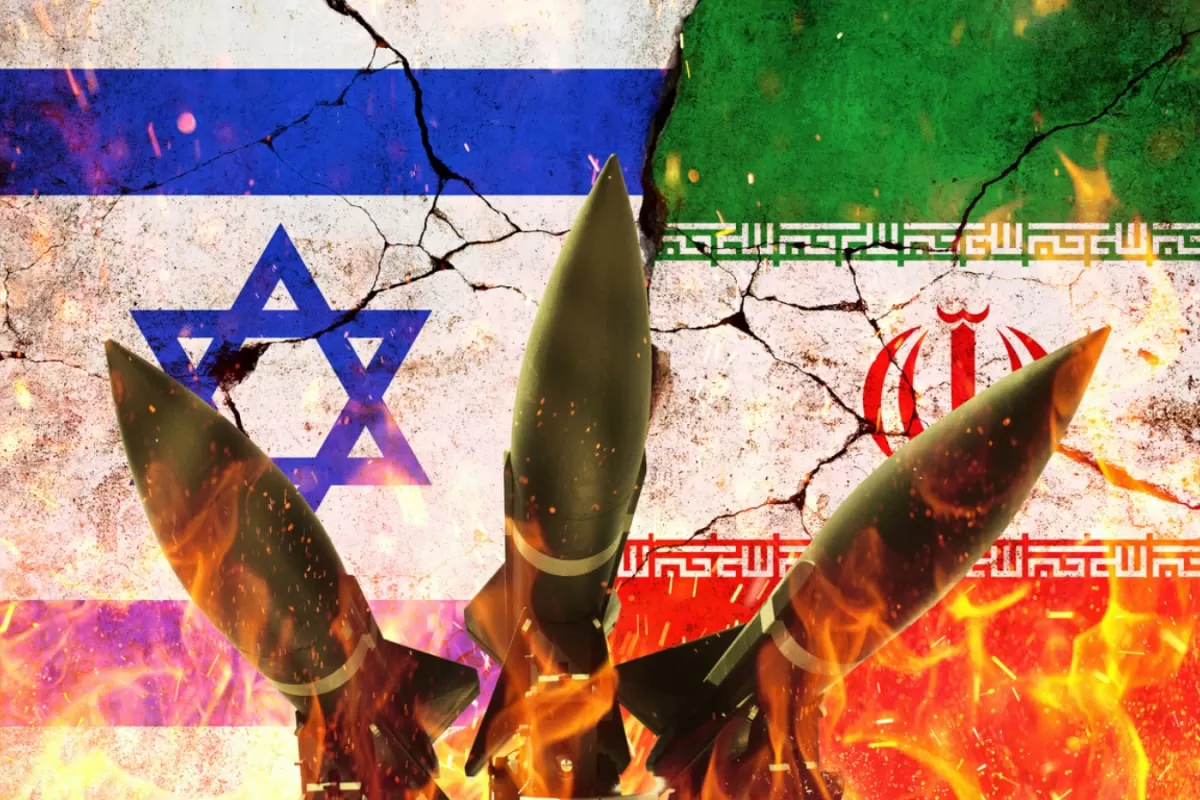
Missiles over megacities, airbases under fire, and sirens across capitals – these were the scenes that unfolded across the Middle East in 2026 as the long-standing tensions between Iran and Israel erupted into a full-blown war. In a region that has often been the site of conflict and instability, the events of 2026 served as a stark reminder of the fragility of peace and the devastating consequences of war.
The conflict, which lasted for months, saw both sides engage in a series of military strikes that targeted not just military installations but also major cities. As the world watched with bated breath, 11 key cities in the Middle East were thrust into the heart of the Iran-Israel war, each with its own unique story to tell.
Tel Aviv, the bustling financial capital of Israel, was one of the first cities to experience the horrors of war. In the early hours of the morning, the city was rocked by a barrage of missiles launched by Iran, targeting its key economic and military centers. The streets that were once filled with the hustle and bustle of daily life were now deserted, as the residents sought shelter from the deadly attacks.
As the conflict escalated, Jerusalem, the spiritual and political capital of Israel, was not spared either. The iconic Dome of the Rock, a symbol of the city’s religious significance, was hit by a missile, causing widespread shock and outrage. The city’s ancient walls, which had stood the test of time, were now crumbling under the weight of the airstrikes.
On the other side of the conflict, Tehran, the capital of Iran, was also embroiled in the chaos of war. The city, with its rich history and culture, was under siege as Israeli forces launched airstrikes in retaliation for Iran’s attacks on Tel Aviv. The once vibrant streets were now filled with rubble and the sound of sirens, as the residents struggled to survive in the midst of the conflict.
The holy city of Qom, known for its religious significance to Shia Muslims, was also caught in the crossfire as Iran and Israel fought for control. The city’s revered shrines and mosques were damaged, with many civilians seeking refuge within their walls. The conflict had not only taken a toll on the physical landscape but also on the hearts and minds of the people.
In the Gulf region, the city of Dubai, known for its luxurious lifestyle and towering skyscrapers, was not immune to the effects of war. The city’s international airport, a major hub for travel and trade, came under attack, causing widespread panic and disruption. The once gleaming city was now shrouded in smoke and fear, as the conflict raged on.
Further north, the Lebanese capital of Beirut, already grappling with its own political and economic challenges, was once again at the center of a devastating conflict. The city, with its vibrant nightlife and bustling markets, was brought to a standstill as it became a target for retaliatory strikes from both sides. The damage to its infrastructure and economy was immeasurable.
In the midst of the chaos, the city of Amman, the capital of Jordan, played a crucial role in providing aid and shelter to the thousands of refugees who were fleeing the war-torn areas. The city’s hospitals and shelters were overflowing with those displaced by the conflict, highlighting the humanitarian crisis that was unfolding in the region.
Baghdad, the capital of Iraq, was also caught in the middle of the conflict as it served as a strategic location for both sides. The city, still recovering from years of war and instability, was once again thrown into chaos as it became a battleground for the opposing forces. The scars of war that were slowly healing were now ripped open once again.
The ancient city of Damascus, with its rich history and cultural heritage, was also not spared from the destruction of war. The city’s famous souks and historical sites were damaged, and its residents were forced to flee to neighboring countries in search of safety. The conflict had not only destroyed the physical landscape but also the lives and livelihoods of the people.
In the midst of the turmoil, the city of Riyadh, the capital of Saudi Arabia, remained relatively unscathed. However, the threat of an attack loomed large, and the city was on high alert as it served as a key ally to Israel in the conflict. The fear and tension that gripped the city were palpable, as the possibility of the conflict spreading to its borders
