
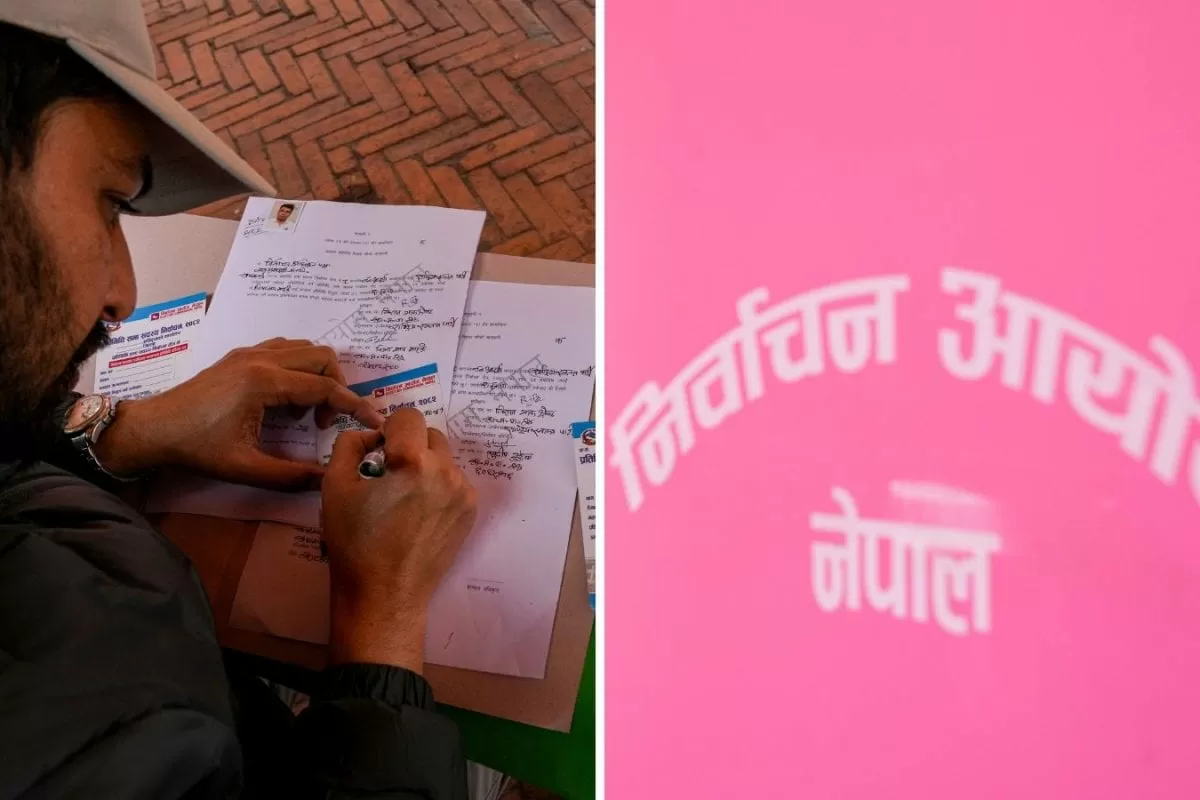
Nepal Elections on March 5: A Look at the Top Parties and Contenders for Prime Minister, and How They’re Wooing Gen-Z Voters
Nepal is gearing up for its first parliamentary elections since adopting a new constitution in 2015. With more than 18.9 million eligible voters, the elections on March 5 are set to be a landmark event in the nation’s democracy. Both domestic and international attention is focused on these elections, as Nepal looks to pave its way towards a brighter and more stable future. In this crucial political event, let’s take a closer look at the top parties and contenders for the prime minister’s post, and how they are vying for the support of the Gen-Z voters.
The major parties contesting in the election are the Nepali Congress (NC), the Communist Party of Nepal (Unified Marxist-Leninist) (CPN-UML), and the Communist Party of Nepal (Maoist Center) (CPN-MC). These parties have dominated the political landscape of Nepal for decades, and have been the key players in shaping the country’s history. However, this time around, there is a new demographic that holds much significance for the parties – the Gen-Z voters.
The Gen-Z voters, who are aged between 18 and 24, make up about 10% of the total electorate. They are a highly influential group, as their numbers and voices continue to grow in Nepal’s political landscape. These young voters are highly educated, globally connected, and socially conscious, making it crucial for political parties to address their concerns and issues.
The Nepali Congress, led by Prime Minister Sher Bahadur Deuba, is the country’s oldest and largest democratic party. It has been at the forefront of Nepal’s political struggle for decades and has a strong presence among the masses. The party has been advocating for a strong and stable economy, along with a commitment to democracy and human rights. In its election manifesto, NC has promised to create jobs, provide quality education and healthcare, and promote sustainable development in the country. The party has also been actively engaging with the Gen-Z voters through social media platforms and youth-focused campaigns.
The CPN-UML, led by former Prime Minister KP Sharma Oli, is the second-largest party in Nepal and is known for its strong stance on nationalism and economic development. The party has a significant base among the rural population and has been campaigning with the promise of building a prosperous and self-reliant Nepal. In its manifesto, the CPN-UML has pledged to create employment opportunities, reduce poverty, and promote inclusive economic growth. The party has also recognized the importance of the Gen-Z voters and has been actively reaching out to the youth through rallies and social media campaigns.
The CPN-MC, led by former Prime Minister Pushpa Kamal Dahal, is the third-largest party in Nepal and has its roots in the country’s Maoist insurgency. The party has a significant base among the marginalized communities and has been advocating for social justice and equality. The CPN-MC’s manifesto focuses on economic prosperity, social welfare, and ethnic and gender equality. The party has also been targeting the Gen-Z voters by addressing issues such as employment, education, and climate change.
Apart from the major parties, there are also some new players in the political arena, such as the Naya Shakti Party, led by former Prime Minister Baburam Bhattarai, and the newly formed Janata Samajwadi Party, a merger of six small parties. These parties have been actively engaging with Gen-Z voters, highlighting the need for political change and youth representation in the government.
The parties are well aware that Gen-Z voters cannot be swayed by traditional campaign methods and promises alone. They are the generation of the digitally connected world, and their expectations and demands from the government are different from their predecessors. This has led parties to use innovative ways to reach out to them, such as organizing interactive events, conducting social media campaigns, and even using popular culture to their advantage.
The Gen-Z voters are especially focused on issues such as employment, education, and environment, which have a direct impact on their lives. They are also looking for leaders who are progressive, forward-thinking, and have a vision for the country’s future. With the power to influence not just the outcome of the election but also the political climate of the country, the Gen-Z voters have become
