
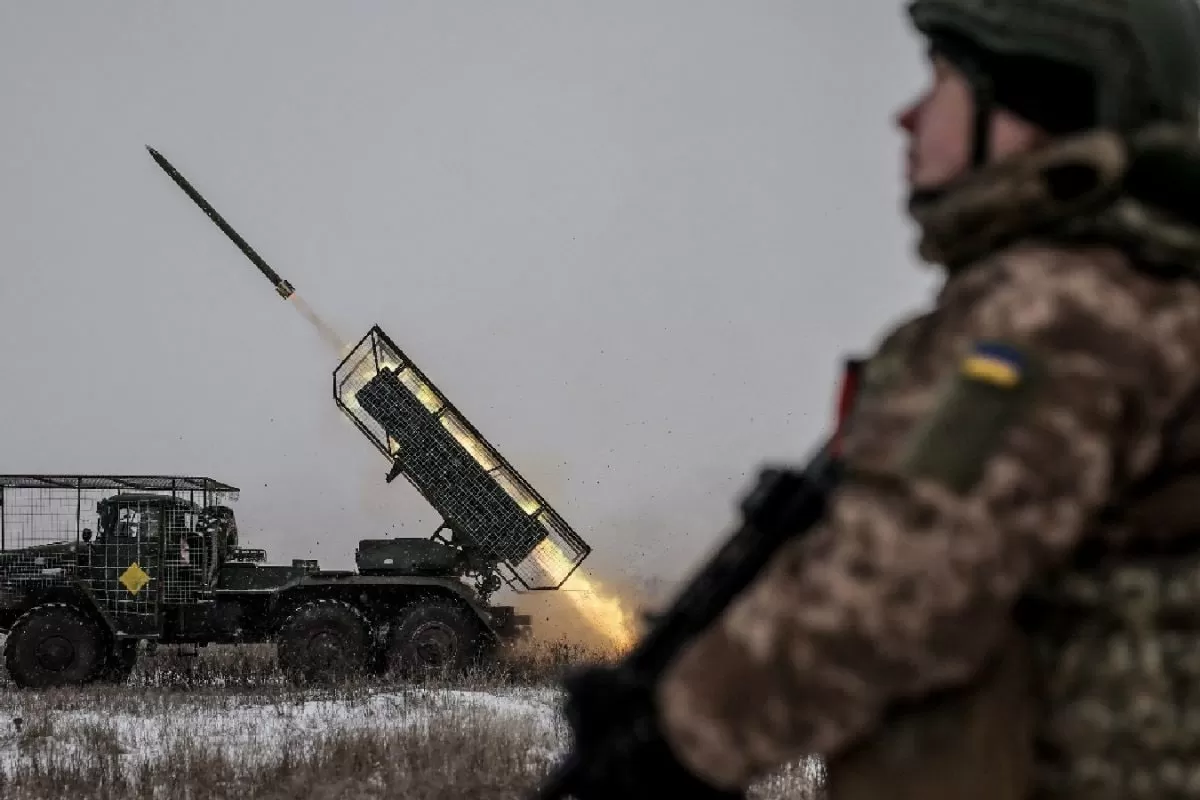
The ongoing conflict between Russia and Ukraine has been a source of international concern for several years now. However, recent developments have signaled a new phase in this long-standing dispute. With stalled peace talks, rising oil prices, and a fresh dispute over the Druzhba pipeline, the Iran war is beginning to shape the trajectory of Russia’s invasion of Ukraine.
The conflict between Russia and Ukraine began in 2014, with Russia’s annexation of Crimea and its support for separatist rebels in eastern Ukraine. Despite numerous attempts at peace talks, the situation has remained at a stalemate, with both sides accusing the other of aggression and human rights violations.
However, the recent escalation of tensions between the United States and Iran has added a new dimension to the conflict. As the US continues to impose sanctions on Iran, one of Russia’s key allies, the Russian economy has taken a hit. This has led to a rise in oil prices, which has had a direct impact on the Russian economy.
Russia heavily relies on oil exports for its economic stability, and any disruption in the global oil market can have severe consequences for the country. With the US putting pressure on its allies to reduce their dependence on Iranian oil, Russia has found itself in a difficult position. This has only added to the already strained relationship between Russia and the US, further complicating the situation in Ukraine.
Moreover, the recent dispute over the Druzhba pipeline has further strained relations between Russia and its European partners. The pipeline, which supplies oil from Russia to Europe, was shut down in April after contaminated oil was discovered. This has caused a major disruption in the supply of Russian oil to Europe, leading to a rise in oil prices and causing economic losses for both Russia and Europe.
The Druzhba pipeline dispute has also highlighted the vulnerability of Europe’s energy security and the need for diversification of energy sources. This has led to renewed calls for Europe to reduce its dependence on Russian energy and explore alternative sources.
But perhaps the most significant impact of the Iran war on the conflict between Russia and Ukraine is the shift in global focus. With tensions between the US and Iran dominating international headlines, the conflict in Ukraine has taken a backseat. This has given Russia more leeway to continue its actions in Ukraine without facing much international scrutiny.
The Iran war has also diverted the attention of the international community away from the stalled peace talks between Russia and Ukraine. This has only added to the frustration of the Ukrainian government, which has been seeking a resolution to the conflict for years.
However, the situation is not entirely bleak. The Iran war has also presented an opportunity for all parties involved to reassess their positions and work towards a peaceful resolution of the conflict. With the global focus shifting towards the Middle East, there is a chance for renewed efforts towards peace talks between Russia and Ukraine.
It is also essential for all parties to understand the interconnectedness of global issues and the impact they can have on regional conflicts. The Iran war has shown that a seemingly unrelated event can have significant consequences for a conflict in a different part of the world.
In conclusion, the Iran war has added a new layer of complexity to the already complicated conflict between Russia and Ukraine. It has brought to light the vulnerability of the Russian economy and the need for Europe to diversify its energy sources. However, it has also diverted international attention away from the stalled peace talks and given Russia more room to maneuver in Ukraine. It is crucial for all parties involved to recognize the impact of global events on regional conflicts and work towards a peaceful resolution of the situation in Ukraine. Only then can we hope to see an end to this long-standing dispute.
