
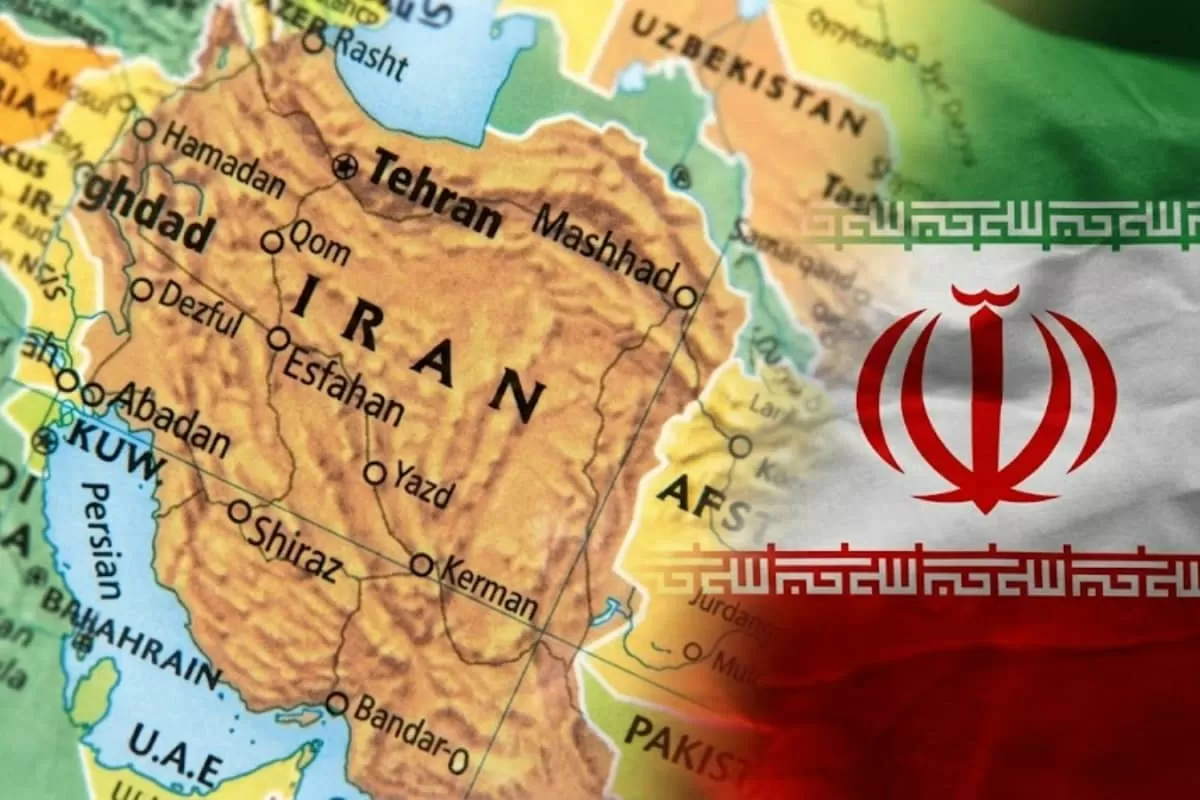
In his 2002 State of the Union address, former US President George W. Bush famously declared Iran, along with Iraq and North Korea, as part of an “Axis of Evil”. This statement not only sparked controversy and criticism, but it also had a profound impact on shaping Iran’s foreign policy and regional alliances. The US rhetoric, coupled with ongoing regional wars, played a crucial role in the formation of Tehran’s “Axis of Resistance” and the redrawing of power lines in the Middle East.
The “Axis of Evil” speech was a turning point in US-Iran relations, which had already been strained since the 1979 Islamic Revolution. The speech was seen as a direct threat to Iran’s sovereignty and security, and it further solidified the mistrust and animosity between the two nations. The labeling of Iran as part of an “evil” axis only served to harden the resolve of the Iranian government and its people.
The US rhetoric, which portrayed Iran as a rogue state and a sponsor of terrorism, pushed Tehran to seek alliances with other countries that shared its anti-American sentiment. This led to the formation of the “Axis of Resistance”, a term coined by former Iranian President Mahmoud Ahmadinejad in 2006. The axis includes Iran, Syria, and the Lebanese militant group Hezbollah, all of which have been at odds with the US and its allies in the region.
The US invasion of Iraq in 2003 further fueled Iran’s fear of being the next target. The toppling of Saddam Hussein’s regime, which had been a major rival to Iran, left a power vacuum in the region. Iran saw this as an opportunity to expand its influence and fill the void left by Iraq. The US presence in Iraq also posed a direct threat to Iran’s security, as it had a long and porous border with its neighbor.
The ongoing war in Syria, which began in 2011, also played a significant role in shaping Iran’s “Axis of Resistance”. The Syrian government, led by Bashar al-Assad, has been a key ally of Iran for decades. As the war intensified and foreign powers, including the US, got involved, Iran saw it as a battle for its own survival. The fall of the Assad regime would have meant the loss of a crucial ally and a major blow to Iran’s regional influence.
The “Axis of Resistance” has not only been a strategic alliance for Iran, but it has also served as a source of pride and identity for the Iranian people. The axis has been portrayed as a resistance against Western imperialism and a symbol of defiance against US hegemony in the region. This narrative has resonated with many Iranians, who see their country as a victim of US aggression and interference.
The US rhetoric and regional wars have also led to a redrawing of power lines in the Middle East. The traditional balance of power, which was dominated by US-backed regimes, has been challenged by the emergence of the “Axis of Resistance”. Iran’s growing influence in the region, along with its alliances with other countries, has shifted the power dynamics and created a new balance of power.
The “Axis of Resistance” has also been a thorn in the side of US allies in the region, particularly Israel and Saudi Arabia. The alliance between Iran and Hezbollah has been a major source of concern for Israel, which sees the militant group as a direct threat to its security. Saudi Arabia, on the other hand, sees Iran’s growing influence in the region as a challenge to its own dominance and has been involved in a proxy war with Iran in Yemen.
In conclusion, the 2002 “Axis of Evil” speech by President Bush had a significant impact on shaping Iran’s foreign policy and regional alliances. The US rhetoric, coupled with ongoing regional wars, led to the formation of the “Axis of Resistance” and a redrawing of power lines in the Middle East. The axis has not only served as a strategic alliance for Iran, but it has also become a source of pride and identity for the Iranian people. The US and its allies must recognize the role their actions and rhetoric have played in fueling Iran’s resolve and work towards finding a peaceful resolution to their differences.
