
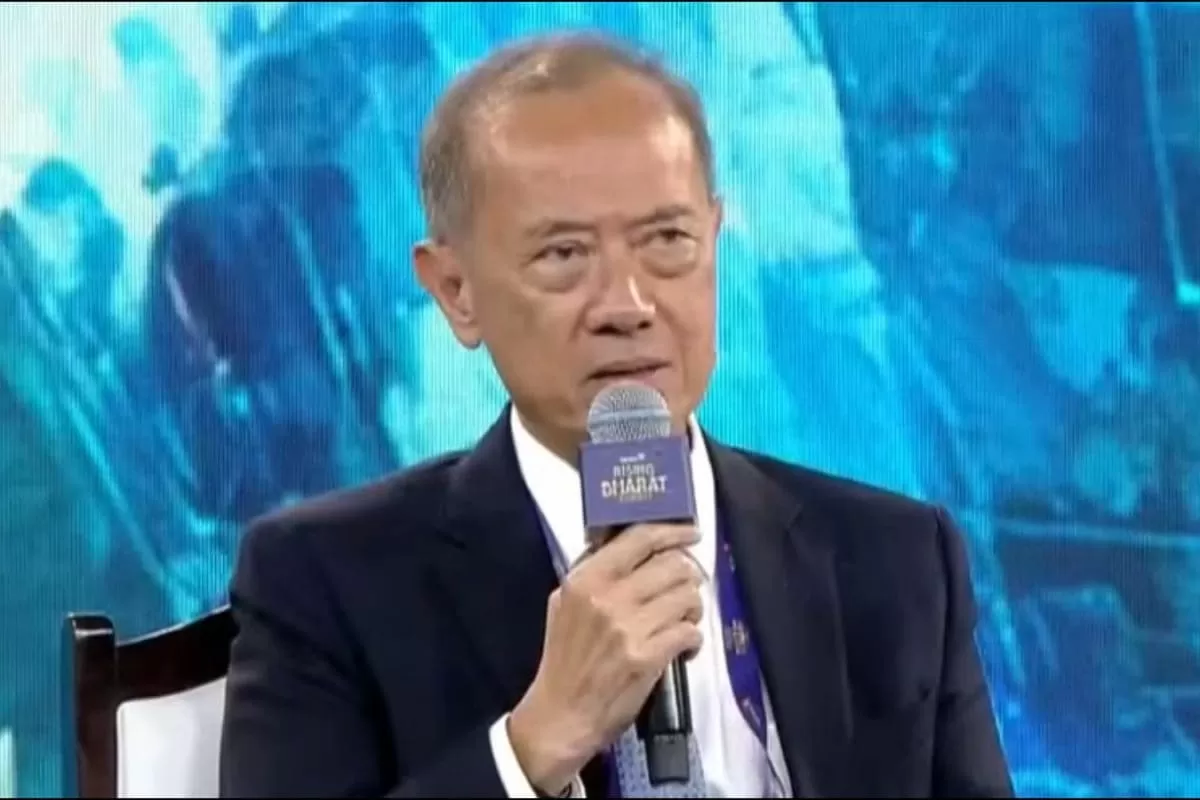
In a recent speech at the India-China Dialogue in New Delhi, former Singaporean Foreign Minister George Yeo highlighted the importance of normalizing relations between India and China. Yeo, who is also the Chairman of the Hong Kong-based Kerry Logistics Network, acknowledged the existing distrust between the two nations, but emphasized that it is in India’s strategic interest to strengthen ties with China.
Yeo’s statement comes at a time when the world is witnessing a major shift in global power dynamics, with both India and China emerging as major players. As two of the world’s fastest-growing economies, the potential for collaboration between the two nations is immense. However, the relationship between India and China has been marred by historical and territorial disputes, leading to a sense of mistrust and suspicion.
Yeo acknowledged this distrust, stating that “some in India distrust closer China ties.” This sentiment is not unfounded, as India has been cautious of China’s growing influence in the region. The two countries have had several border disputes, with the most recent one in 2017, when a standoff between their armies in Doklam lasted for over two months. This incident highlighted the need for better communication and understanding between the two nations.
On the other hand, Yeo also pointed out that “some in Beijing underestimate India.” Despite being the world’s second-largest economy, China has often overlooked India’s potential and underestimated its capabilities. This has led to a sense of unease in India, with many feeling that China does not view them as an equal partner.
However, Yeo’s message was clear – it is in India’s strategic interest to normalize relations with China. As the world becomes increasingly interconnected, it is essential for India to have a strong and stable relationship with its neighbor. The potential for economic cooperation between the two countries is immense, with China being India’s largest trading partner. By strengthening ties, both nations can benefit from increased trade and investment opportunities.
Moreover, as Yeo highlighted, India and China share many common challenges, such as climate change and terrorism. By working together, they can address these issues and make a significant impact on the global stage. Additionally, a strong partnership between India and China can also act as a stabilizing force in the region, promoting peace and prosperity.
In recent years, there have been efforts to improve relations between the two nations. In 2018, Indian Prime Minister Narendra Modi and Chinese President Xi Jinping held an informal summit in Wuhan, China, where they discussed ways to strengthen ties. This was followed by another informal summit in Mamallapuram, India, in 2019. These meetings have helped to ease tensions and build trust between the two leaders.
However, there is still a long way to go in normalizing relations between India and China. Both nations must continue to engage in dialogue and address their differences to build a strong and mutually beneficial partnership. As Yeo rightly said, “India and China are both ancient civilizations with a rich history and culture. They should not let their differences overshadow the potential for cooperation and collaboration.”
In conclusion, George Yeo’s statement serves as a reminder of the importance of normalizing relations between India and China. While there may be existing distrust and underestimation between the two nations, it is crucial for them to put their differences aside and work towards a stronger partnership. By doing so, they can not only benefit themselves but also contribute to the stability and prosperity of the region and the world.
