
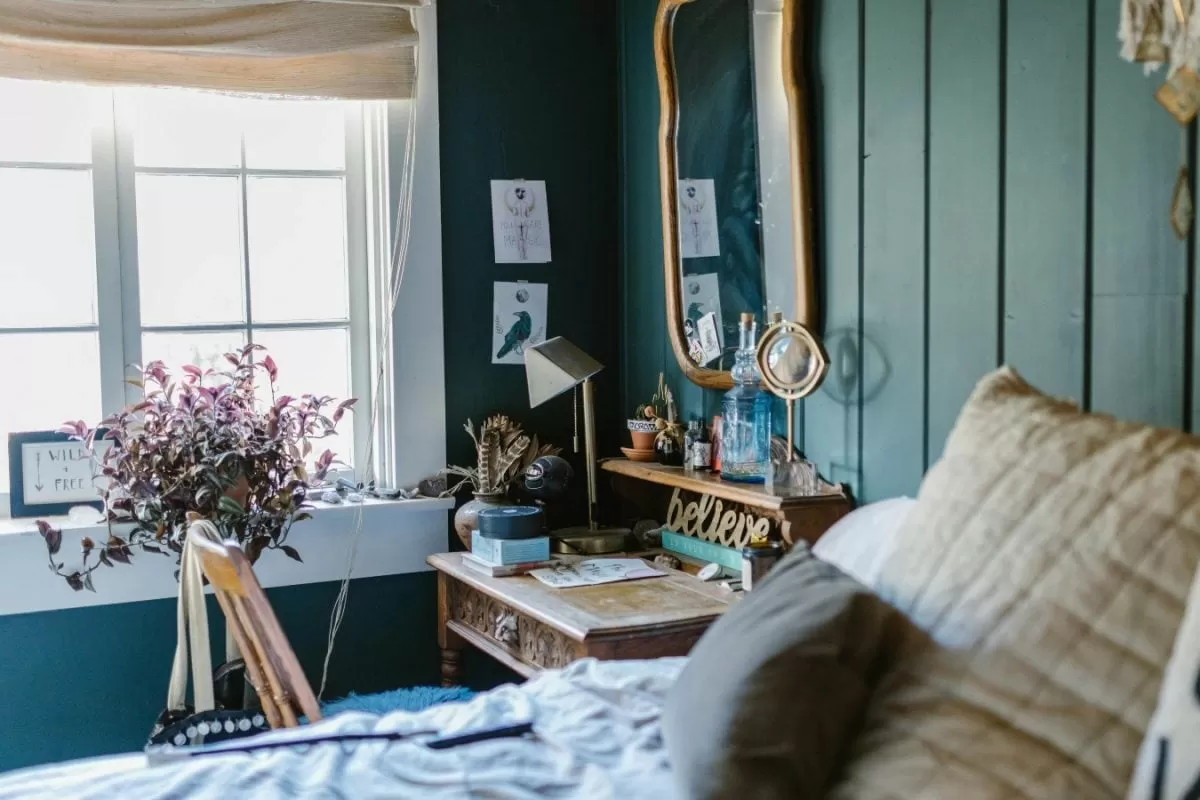
Colours are all around us, from the vibrant hues of nature to the carefully chosen shades in our homes. We often associate colours with decoration, but did you know that they also carry frequencies that can interact with our mind and body? From soothing blues to fiery reds, each colour has a unique energy that can impact our emotional and energetic well-being. In fact, colours can play a crucial role in calibrating and fine-tuning the temperature of our homes, creating a harmonious and balanced environment.
The concept of colours and their effects on our emotions and energy is not new. Ancient civilizations, such as the Egyptians and Chinese, used colour therapy to heal and balance the mind, body, and spirit. Even in modern times, this practice has gained popularity as people turn to alternative methods for enhancing their well-being.
So, how exactly do colours carry frequencies that interact with our mind and body? The answer lies in the science of vibrations. Every colour has a specific wavelength and frequency, and when we are exposed to these wavelengths, they can affect our mood, thoughts, and even our physical health. This phenomenon is known as chromotherapy or colour therapy.
Let’s take a closer look at some of the most commonly used colours in home decor and their impact on our emotions and energy.
Blue is often associated with calmness, serenity, and tranquility. It has a calming effect on the mind and body, making it an excellent choice for bedrooms and living rooms. Blue has a low frequency, which can help to reduce stress and anxiety. It is also believed to aid in communication and self-expression, making it a great colour for home offices and study spaces.
Green is the colour of nature, and it is known for its balancing and harmonizing properties. It has a neutral frequency, making it a versatile colour that can be used in any room of the house. Green is associated with growth, health, and abundance, making it an excellent choice for living spaces and kitchens. It is also believed to promote balance and stability, making it a great colour for those who feel overwhelmed or emotionally unstable.
Yellow is a bright and cheerful colour that is often associated with happiness, optimism, and creativity. It has a high frequency, which can help to stimulate the mind and boost energy levels. Yellow is perfect for adding a pop of colour to any room, especially in areas where you want to feel inspired and motivated, such as a home office or creative space.
Red is a powerful and passionate colour that is known for its stimulating and energizing properties. It has a high frequency, which can increase heart rate and blood flow, making it an excellent choice for areas where you want to feel energized, such as the gym or dining room. However, too much red can also lead to feelings of aggression and restlessness, so it is essential to use this colour in moderation.
Purple is often associated with royalty, luxury, and spirituality. It has a high frequency, which can stimulate the imagination and promote introspection. Purple is a great colour for bedrooms and meditation spaces as it can help to promote relaxation and a sense of inner peace.
These are just a few examples of how colours can impact our emotions and energy. The key is to find the right balance and choose colours that resonate with you and your home. You can also experiment with different shades and tones to create a unique and personalized space.
In addition to their emotional and energetic effects, colours can also affect the physical temperature of our homes. Darker colours, such as black and navy, absorb more heat, while lighter colours, such as white and pastels, reflect heat. So, if you live in a warm climate, using lighter colours can help to keep your home cool, while darker colours can provide warmth in colder climates.
In conclusion, colours are not just for decoration; they are powerful tools that can impact our emotions, energy, and even the temperature of our homes. By understanding the frequencies of colours and their effects, we can create a harmonious and balanced living space that promotes overall well-being. So, next time you are choosing colours for your home, remember to consider not just the aesthetics but also the emotional and energetic impact they can have.
